Last updated November 23, 2026
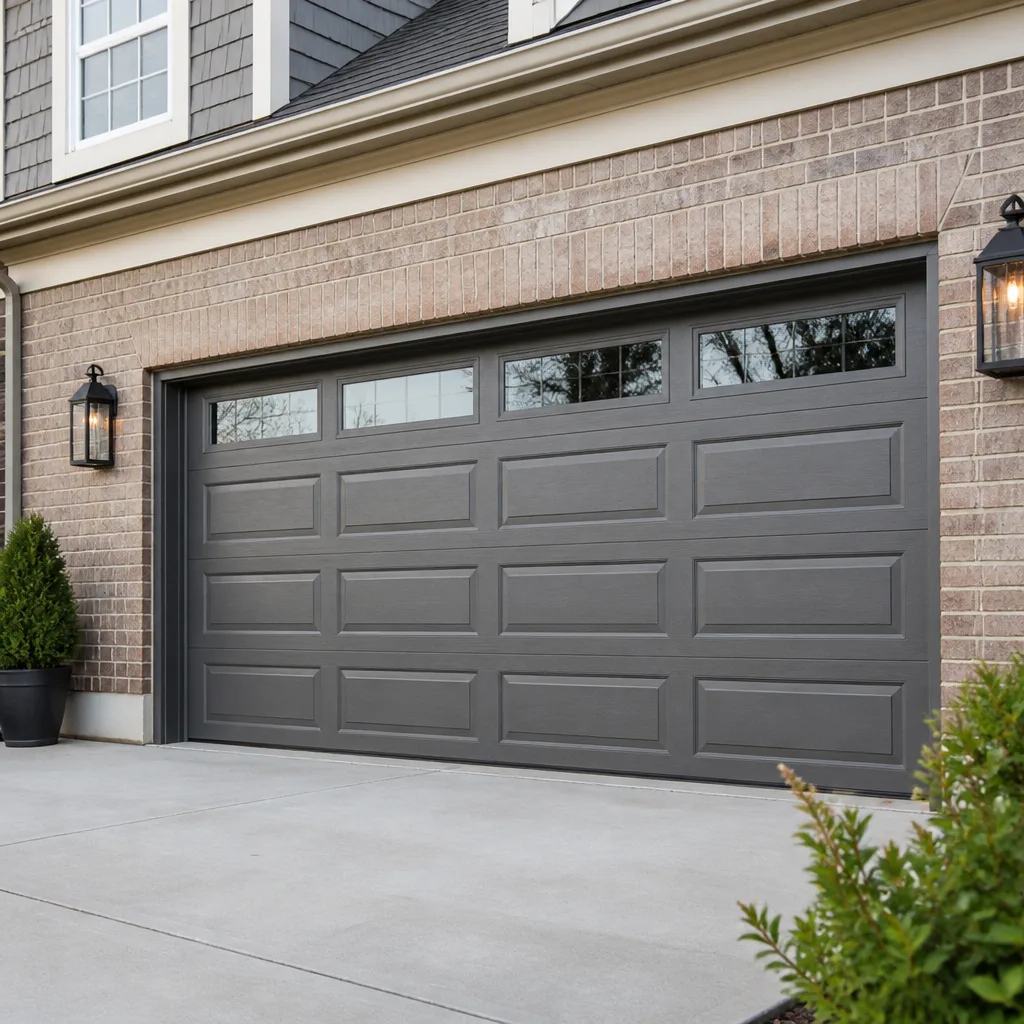 Raised-panel steel
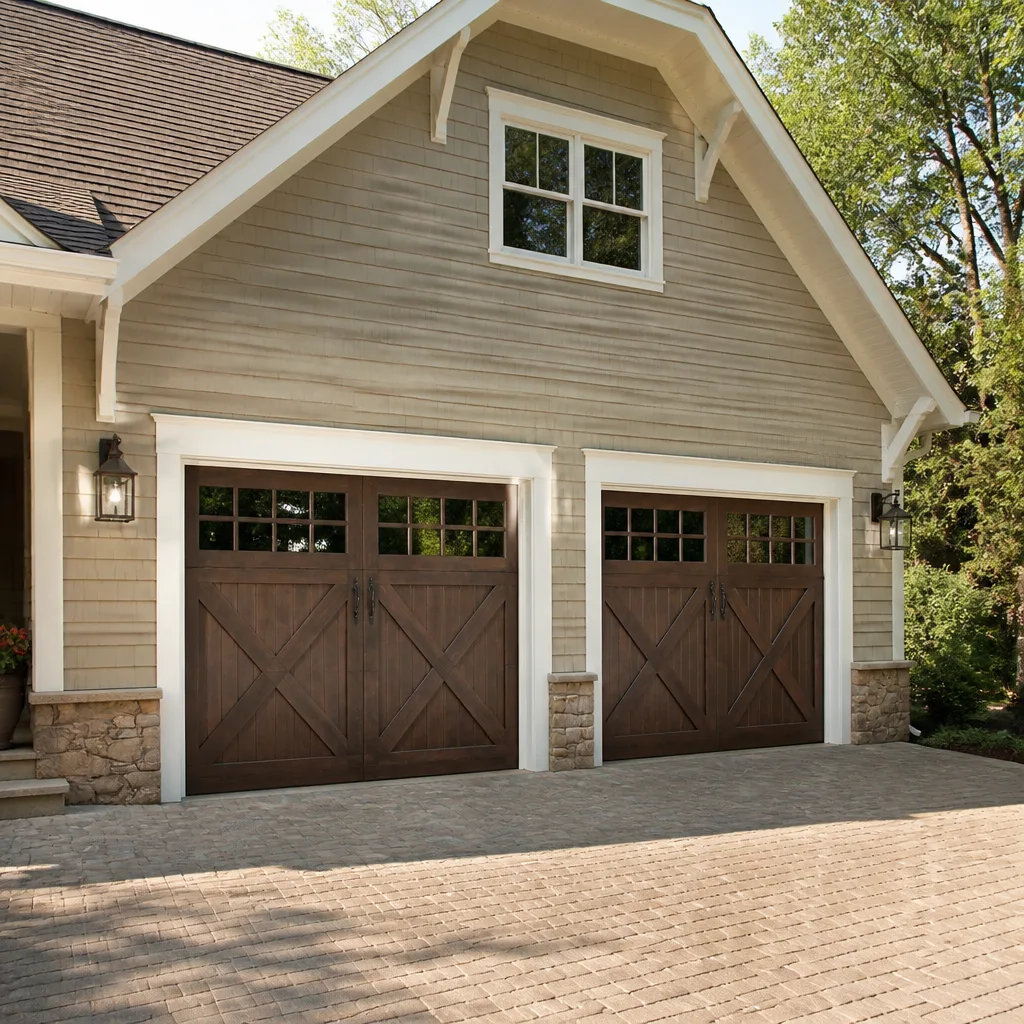 Carriage house
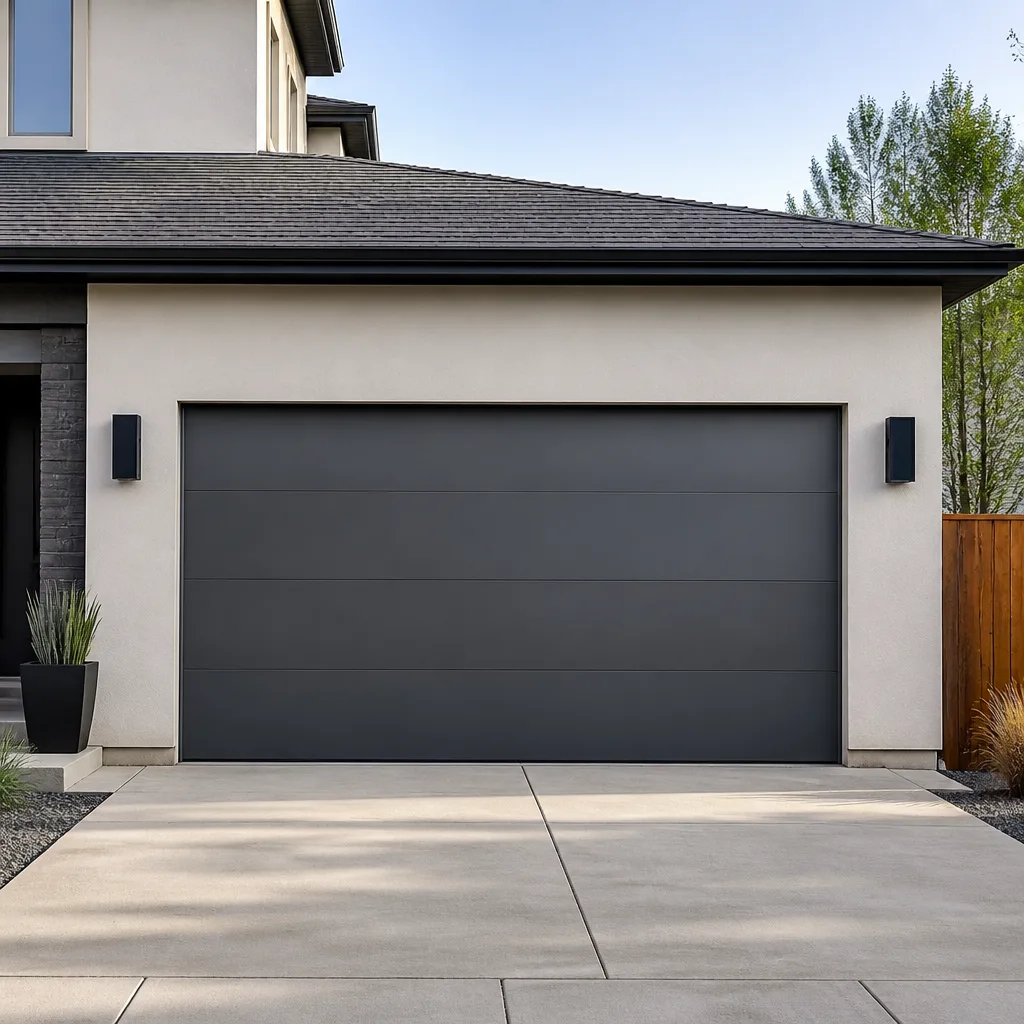 Modern flush
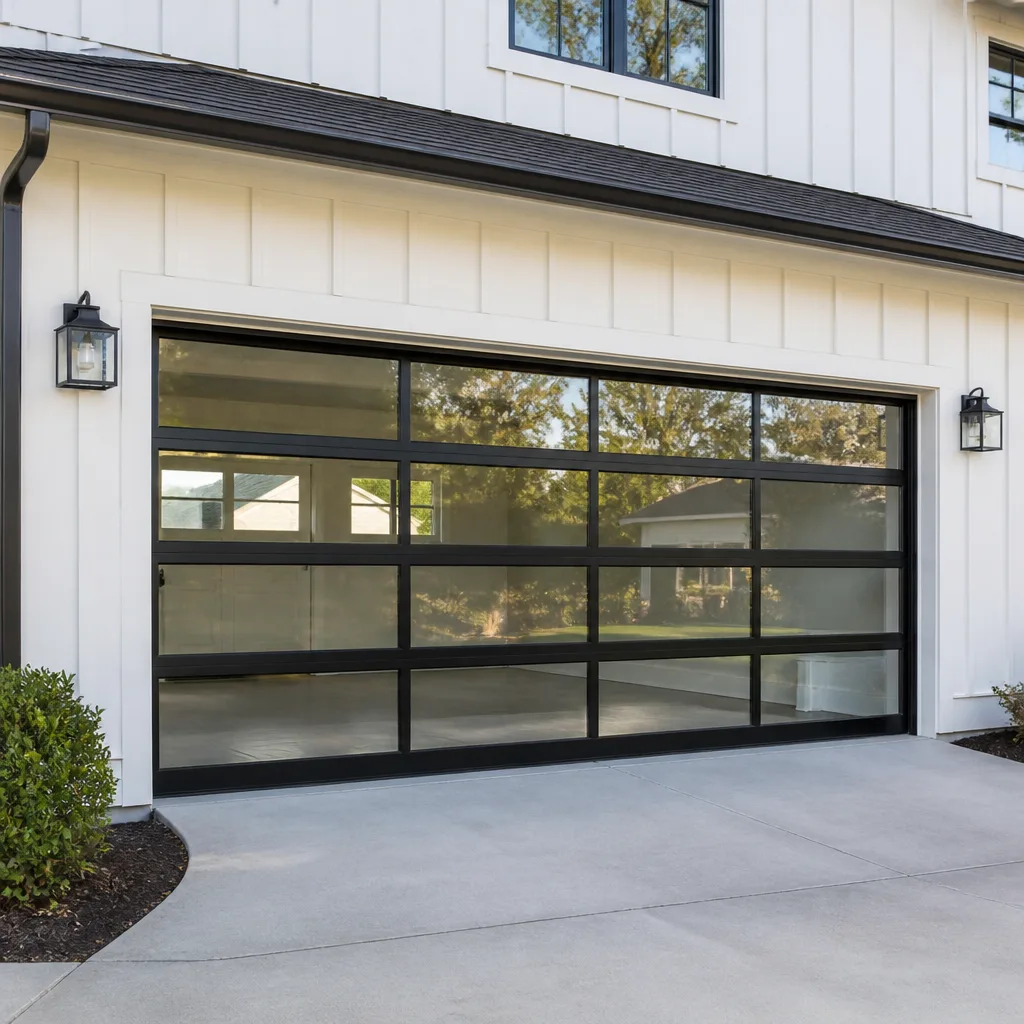 Full-view glass
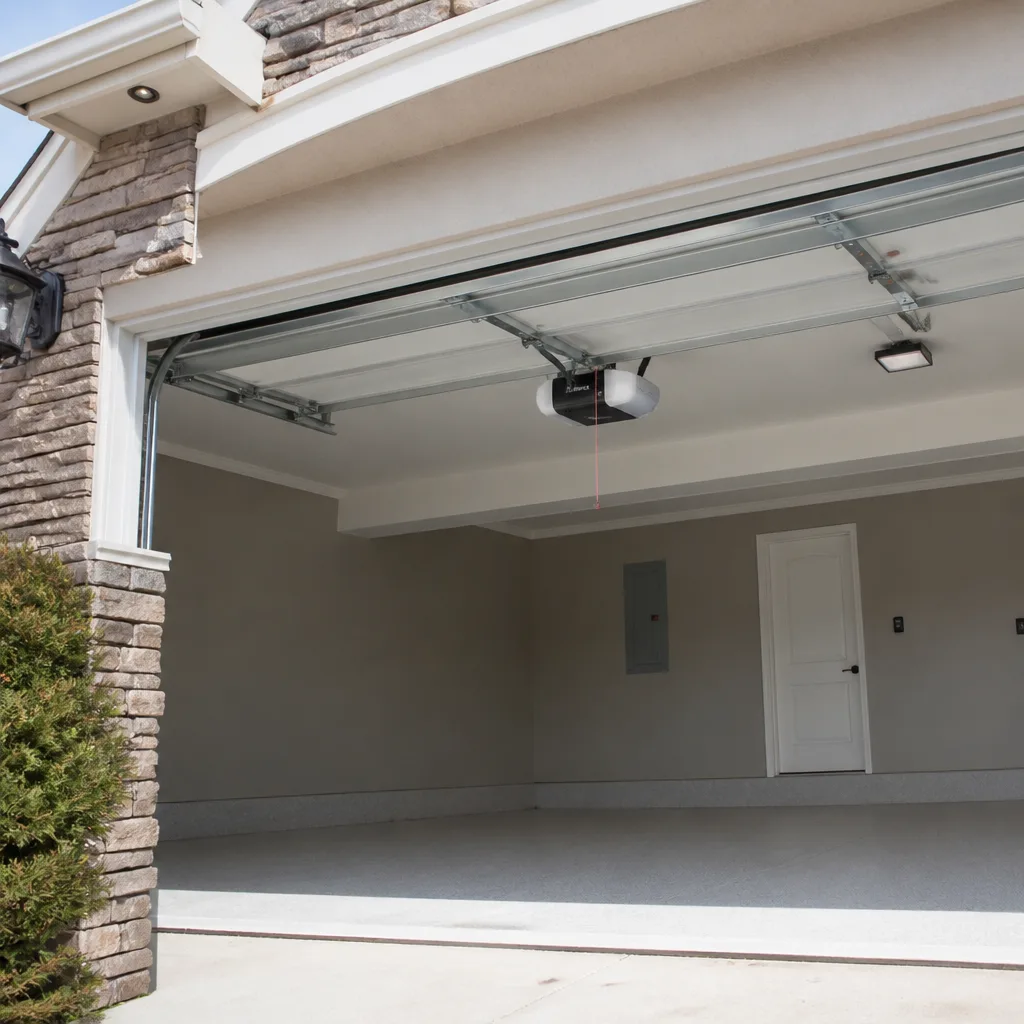 LiftMaster openers
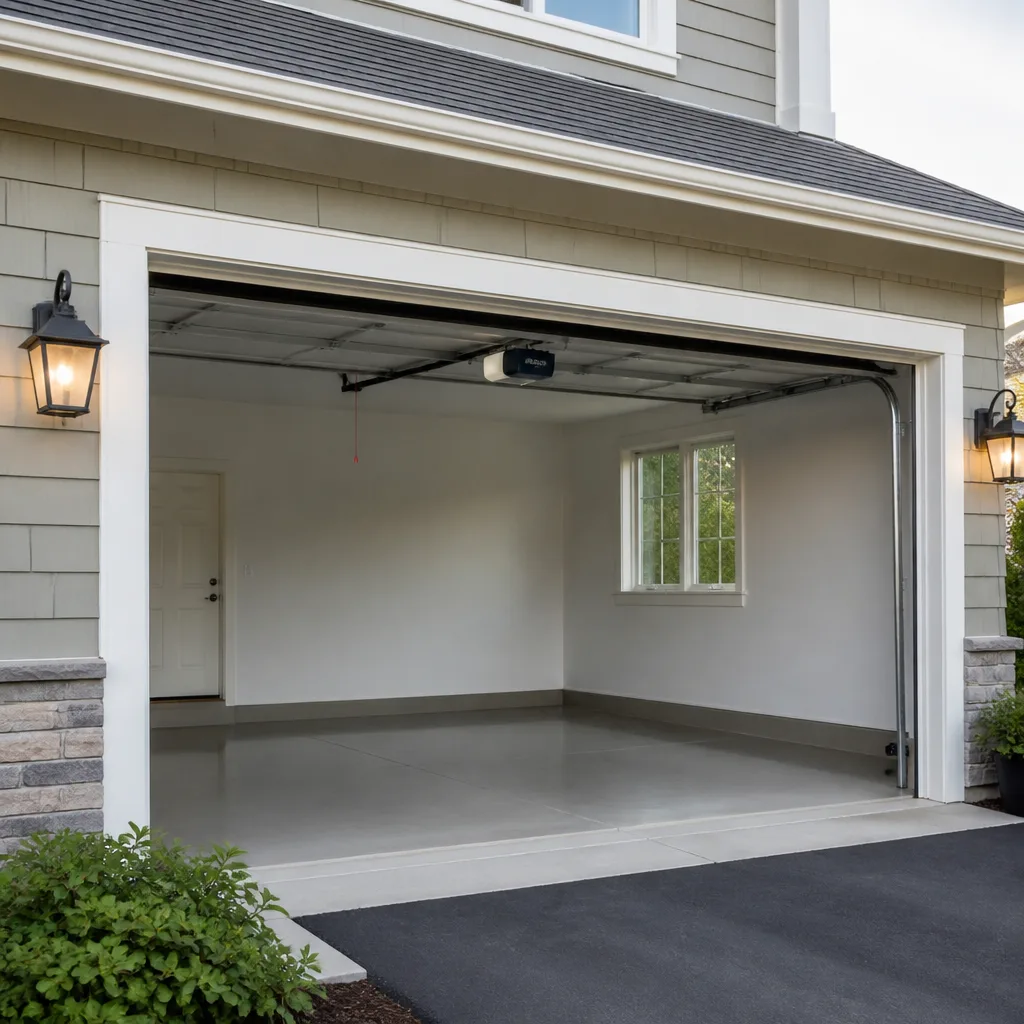 Chamberlain openers
Full 25-point door and opener safety check with every visit - springs, cables, rollers, tracks, and your LiftMaster or Chamberlain opener included
You get a price before we start. It does not change when the pro arrives.
Get your free estimateThe Complete Guide to Garage Doors in SeaTac
Most garage door guides are written for Phoenix or Atlanta, and it shows. They talk about sun-baked panels and summer heat, which tells you the writer has never watched what a SeaTac winter does to a door. Here in SeaTac, moisture hangs in the air, the ground shifts with the rain, and every so often a plane passes overhead hard enough that you feel it through the floor. Those conditions shape what actually fails on a garage door and what doesn’t. This guide walks through materials, opener types, insulation, repair versus replace, and the local realities that national advice skips. By the end, you’ll know how to think about your door the way a technician does.
Quick Answer
A garage door in SeaTac needs three things a generic guide won’t tell you. Pick galvanized or otherwise rust-resistant hardware because the air here is wet most of the year, choose an opener and spring setup rated for steady use since daily cycling wears parts faster than you’d expect, and plan on replacing worn hardware and springs before the panels themselves give out. Most SeaTac doors fail at the moving parts and hardware first, not the steel face. Fix those on schedule and you’ll get more years out of the whole assembly.
Styles & brands we work with
- Raised-panel steel
- Carriage house
- Modern flush
- Full-view glass
- LiftMaster openers
- Chamberlain openers
Table of Contents
- How SeaTac’s Climate and Location Affect Your Garage Door
- Choosing a Door Material for a Wet Inland Northwest Climate
- The Housing Age Problem: What Your 1970s – 90s SeaTac Door Actually Has
- Opener Types and What Makes Sense Here
- Insulation, Condensation, and Keeping the Garage Dry
- A Practical Brand Coverage Guide
- Repair or Replace? Running the Math
- A Seasonal Maintenance Routine That Fits SeaTac
- Common Mistakes to Avoid
- When to Call a Professional
- Frequently Asked Questions
- The Bottom Line
How SeaTac’s Climate and Location Affect Your Garage Door
The conditions a garage door lives in around SeaTac are wetter and busier than the national average, and both of those things matter. Rain falls across a long stretch of the year here, which means the metal on your door spends far more time damp than dry. Air that stays moist most of the season is what drives surface rust on springs, hinges, rollers, and the tracks. A door in a drier place can go years without the hardware showing wear; a door here shows it sooner. If you’ve noticed a brown crust starting around the bottom hinges or along the rails, that’s the pattern at work.
Then there’s the airport. Sea-Tac International sits right in the middle of the area, and low-frequency vibration from aircraft moves through the ground and the structures above it. It’s subtle, and you may tune it out entirely, but your garage door doesn’t. Vibration adds small stresses to spring coils, the torsion assembly, and every moving joint on the door. Where a door in a quiet suburb might cycle a set number of times before a spring tires, a door here is doing that same work while absorbing a steady, low-level rumble on top of it. In our experience, springs and worn hinges on SeaTac doors tend to show fatigue earlier than the calendar would suggest. That’s not a reason to panic about your door, but it is a reason to take the moving parts seriously and not push a failing spring any further than it needs to go.
The practical takeaway is simple. Pay attention to the hardware first, keep the moving parts clean and lubricated, and don’t ignore a sound or a jiggle you didn’t hear last month. If the door’s garage door repair is what’s on your mind, the local conditions are the reason why the hardware side deserves equal attention to the panels.
Choosing a Door Material for a Wet Inland Northwest Climate
Material choice is the decision where national guides mislead SeaTac homeowners most. A lot of advice treats steel, aluminum, and wood as roughly interchangeable and talks about weather only in terms of sun exposure. That’s not the weather you live in. Here’s how the main options hold up under steady wet conditions.
- Galvanized steel: The default for a reason. A galvanized coating protects the steel from moisture, and the hardware (hinges, rollers, bottom brackets) matters as much as the panel itself. Look for rust-resistant finishes on the hinges and rollers, not just the face.
- Composite and treated wood-look products: Wood-look panels give you a warmer appearance, but genuine wood needs regular sealing and still takes on moisture at the bottom where the door meets the ground. Composite products handle the damp better than real wood and are worth considering if the aesthetic matters to you.
- Aluminum: Light and resistant to rust, but it dents easily. Fine for a smaller door or a low-traffic garage, less ideal where kids, bikes, or cars bounce off it.
- Insulated vinyl or polyurethane-backed steel: The backer adds stiffness and helps the panel hold shape through temperature swings. Worth it when the garage shares a wall or sits under living space.
What we’d steer you away from is any door where the face is protected but the moving hardware isn’t. A rusted hinge or roller seizes, and a seized roller fights the opener and the springs all day long. In a place with this much moisture, galvanized panels paired with galvanized or otherwise rust-proofed hardware are the combination that lasts. And no matter where you live, a spring that’s past its life is a hazard: the tension in a torsion spring is enough to cause serious injury, so that part of the job is one for a trained technician, not a weekend fix. When the springs are the problem, the path to garage door spring repair is a professional call, full stop.
The Housing Age Problem: What Your 1970s – 90s SeaTac Door Actually Has
A large share of the housing in and around SeaTac went up between the 1970s and the 1990s, and that age bracket tells you a lot about what’s hanging over your driveway. If your home falls in that range and the door has never been changed, there’s a good chance you’re looking at original equipment.
- Original single-layer steel panels. These were common and cheap to install. They’re light on insulation and prone to dents at the bottom section where cars pull in.
- A chain-drive opener on its last legs. Many of these units came with the house and have cycled thousands of times. They get noisy, then slow, then stop. Often the door is fine and the opener is done.
- Extension springs or one original torsion spring. Extension springs running overhead were the standard for years. They’ve done their work and are due for replacement.
- Steel tracks with surface rust. The rails collect moisture at the base. A rusty track makes the door drag and the opener work harder.
- A worn bottom seal. The rubber strip that keeps rain and debris out is often the first thing to fall apart and the last thing anyone replaces.
Here’s the good news: you don’t usually need to replace the whole door to bring a 1980s SeaTac home up to date. A sensible upgrade path is to address the failure points in order. Replace the worn springs before they break. Fix or replace the opener when it stops keeping up. Replace the bottom seal and any seized rollers. Then, if the panels are visibly damaged or the door is letting too much weather into a space you actually use, plan the panel change. That sequence keeps spending proportionate to the actual problem instead of jumping straight to a full installation. It’s the same logic a property manager uses across a portfolio of units, and it works just as well for a single house.
Opener Types and What Makes Sense Here
The opener is the part of a garage door system you interact with most, and picking the right type is simpler than the marketing makes it sound. There are three common drive styles, plus a few features worth weighing.
- Chain drive: Reliable and the most familiar. It’s louder than the alternatives, which some homeowners notice in a garage under a bedroom.
- Belt drive: Quieter than chain and a good fit when the garage shares a wall with living space. It performs well in a climate where the door isn’t fighting extreme cold.
- Screw drive: Fewer moving parts and solid durability, with a noise level somewhere between the other two.
Beyond the drive, think about three things. First, a battery backup matters if your door is your main way in and out, since a power outage shouldn’t lock you out of your own home. Second, safety sensors and auto-reverse are non-negotiable on any opener for a household with kids or pets. Third, if you have a newer car with built-in home-link controls, confirm the opener’s security protocol is compatible before it’s installed, not after.
One thing we hear often: “My opener is grinding, do I need a new one?” Not always. A grinding opener is frequently a worn gear, a loose chain, or a door that’s dragging because a roller or track needs attention. Diagnose first. When the opener really is at the end of its life, garage door opener repair or replacement is a managed job, not an emergency, so it’s worth booking a proper assessment and a written price rather than guessing at the box store.
Insulation, Condensation, and Keeping the Garage Dry
Insulation is usually sold on comfort and energy, and those are real benefits. Around SeaTac, there’s a second reason to care: condensation. A garage that stays cold and damp on the inside will sweat on the metal and on anything stored in it. If your garage door is an uninsulated single-layer steel panel, that panel gets cold on the outside and pulls moisture out of the warm air inside, and you end up with rust creeping in from the hardware and the door’s back face. That’s the round-trip that ruins tools, lawn equipment, and the bikes hanging on the wall.
An insulated door helps hold temperature and reduces how much condensation forms on the door itself. It won’t turn an unheated garage into a dry room, but it slows the swing. And when the garage sits below or beside living space, an insulated door is also doing you a favor on sound. If you’re deciding between a basic single-layer panel and an insulated door, ask yourself whether you use the garage for storage, a workshop, or anything that has to stay dry. If the answer is yes, the insulated option is usually worth the difference. Add a proper bottom seal and keep the tracks clear, and the door stays easier to live with through a wet season.
A Practical Brand Coverage Guide
Most homeowners don’t know what brand their door or opener is, and that’s fine. A good technician will identify it from the hardware, the opener housing, or the panel profile. But knowing the major brands helps you understand what parts are available and how likely a repair is to be straightforward.
The reality in SeaTac is that a handful of brands dominate what’s installed. Clopay doors and LiftMaster openers are extremely common on newer builds and replacements, Chamberlain and Genie systems show up on countless homes, and Amarr doors are well represented too. Craftsman openers still live on plenty of 1980s and 1990s garages. Because we work on Chamberlain, Genie, Clopay, and Amarr systems, parts, programming, and all, we can usually identify what you have and get the right component without you having to track down the original installer. That last point matters. Many a homeowner has been told the only way forward is a new opener because a repair shop “doesn’t carry that brand.” A specialist who covers multiple brands can often replace a worn gear or a remote board instead.
| What you likely have | How to tell | Repair outlook |
|---|---|---|
| LiftMaster or Chamberlain opener | Familiar housing, standard remote and wall console | Gears, boards, and sensors are widely available |
| Genie or Craftsman opener | Older unit, often with visible chain drive | Repairable in most cases; some discontinued parts need sourcing |
| Clopay or Amarr door | Panel profile and label on the inside of the door | Panels, hinges, and rollers can be matched to the door |
If you’re not sure which you have and the door has stopped working, don’t go buy a new opener yet. Let SeaTac Garage Door Repair Pros identify the brand and the failure first, then decide. Diagnosis before spending is the whole game.
Repair or Replace? Running the Math
This is the decision homeowners worry about most, and it’s usually answerable with a short set of questions rather than a hard sell. The honest answer is that repairs extend the life of most doors by years, and full replacement is the right call only in specific situations. Here’s how to sort it out.
- What’s failing? Springs, hinges, rollers, and openers are all routine repairs. Dented, rusted-through, or structurally cracked panels are a door issue.
- How many systems are failing at once? One worn part is a repair. Every moving part and the opener at the same time can add up past the value of the door.
- How old is the door? A door from the 1980s or 1990s with a failing opener and a worn spring is a candidate for replacement rather than repeated patching.
- Do you want more from the door? Better insulation, quieter operation, a modern safety feature, or a better look are all legitimate reasons to replace a technically functional door.
Run through those and you’ll usually reach a clear answer. The point of repair is to protect the part of the system that still has life left. The point of replacement is when the cumulative repair cost starts to exceed what the door is worth. In SeaTac, the added wear on hardware from moisture makes the “repair the moving parts, replace the panels if needed” sequence the sensible default. And if you’re facing a spring that has broken, the decision is made for you: it’s a repair, it’s urgent, and it needs a trained technician. Call and we’ll give you a written price before any work starts, so the number on the invoice matches the number you agreed to. Free estimates, and we don’t quote work you don’t need.
A Seasonal Maintenance Routine That Fits SeaTac
Maintenance on a garage door is short, and it’s the difference between a part that lasts and one that fails a season early. Set a reminder twice a year and run through this.
- Lubricate the moving parts. Hinges, rollers, and the tracks get a proper garage-door lubricant, not grease. The tracks want a light coat, not a thick one that collects grit.
- Check the springs and cables. Look for rust, sagging, or a gap in a torsion spring. If anything looks wrong, stop and call a professional; do not touch a wound spring.
- Test the auto-reverse. Put a small object in the door’s path and confirm the door reverses. Do it while the door is closing, not just opening.
- Inspect the bottom seal. The rubber seal at the floor is what keeps rain and debris out. Replace it once it hardens or tears, because a wet garage floor feeds the rust cycle.
- Listen. A door that suddenly sounds different is telling you something. A rattle, a scrape, or a clunk that wasn’t there before is your cue to get it looked at.
- Clear the tracks. Debris in the rails makes the door drag, and drag wears down the opener and springs faster.
The two things we most often see ignored are the bottom seal and the spring. The first is a cheap fix that protects everything else, and the second is a safety issue the moment it starts to fail. For anything involving the springs or the cables, leave it to someone with the tools and the training to do it safely. When you’re ready to have the door looked at, a free estimate is the place to start.
Common Mistakes to Avoid
- Trying to fix a broken spring yourself. A torsion spring is under enormous tension, and the coil can release violently. Springs and cables are a trained-technician job, not a weekend project.
- Replacing a whole opener when a gear or board is the real problem. A grinding opener is often a cheap repair. Diagnose the actual failure before spending on a new unit.
- Ignoring rust on the hinges and rollers. In a climate this wet, seized hardware quietly wears out the springs and the opener. Clean and lubricate before the rust spreads.
- Buying a door based on looks and skipping the material match. That pretty panel may be the wrong choice for a wet inland climate if the hardware isn’t rust-resistant. Check the hardware, not just the face.
- Assembling a repair from several different service calls. A spring replaced by one person and an opener installed by another can leave a system that fights itself. One technician should see the whole door.
- Judging a 1980s door by its paint. The panels may look fine while the springs, opener, and tracks are all past their working life. Age of the systems matters more than appearance.
- Waiting through a winter with a failing bottom seal. A wet garage floor is a wet garage, and wet steel rusts. Replace that seal before the rainy season settles in.
When to Call a Professional
Some garage door problems are safe to watch and schedule. Others need a call the day you notice them. Call a technician right away when a spring snaps or the door comes down hard, when a cable jumps its drum, when the door comes off its tracks, or when the opener runs but nothing moves. Those are safety and access issues, and they don’t age well. Also call if you hear a sharp crack, see a sagging panel, or the door won’t stay up. Routine repairs, like a rusted hinge, a sealing strip, or a noisy opener, are safe to schedule. SeaTac Garage Door Repair Pros offers free estimates in SeaTac, and our technicians will diagnose the problem before quoting so you know exactly what’s wrong and what the fix costs. Call (866) 566-1405, and we’ll get you a written price before any work begins.
Frequently Asked Questions
Look at the inside of the door and the opener housing for a label, then check the shape of the panels and the style of the remote. If you can’t tell, a technician can identify it in minutes. In SeaTac, Clopay, Amarr, Chamberlain, and Genie systems are all common, and a multi-brand specialist can match parts without you hunting down the original installer. Call us for a free look.
Yes. The air here stays damp through a long stretch of the year, and moisture is what rusts spring coils, hinges, rollers, and tracks. Galvanized steel panels paired with rust-resistant hinges and rollers are the combination that holds up. If you’re replacing hardware, ask for the rust-resistant option, not the standard one.
No. A torsion spring is under extreme tension and a cable or coil can cause serious injury if it releases. Springs and cables are a job for a trained technician with the right tools. Call a professional for spring work, and don’t leave a broken spring in place while you decide what to do. Call (866) 566-1405 for a written estimate.
Costs depend on what’s failing, and that’s why we diagnose before quoting. A worn hinge, roller, or seal is at the low end, and a spring replacement or opener repair is a bigger job. Every estimate is written and agreed before any work starts, so the price you accept is the price you pay. Free estimates, so call for an exact figure.
No, and that’s a common mistake. A door that’s hard to lift is usually a spring, track, or hardware problem, not an opener problem. Putting a new opener on a stiff door wears out the opener faster. Get the door checked first, then decide whether the opener needs attention. Call for a free assessment.
It can, over time. Low-frequency vibration from aircraft adds steady stress to springs and the moving joints on your door. That’s why we emphasize early attention to hardware and springs here. If your door has started sounding louder or feeling rougher than it did a season ago, have it looked at sooner rather than later.
The Bottom Line
A garage door in SeaTac lives in conditions that reward taking the hardware seriously. The wet air rusts anything unprotected, the vibration from the airport adds wear to springs and joints, and a lot of 1970s – 90s homes are still running original panels and openers. The path forward isn’t complicated. Choose rust-resistant hardware and an insulated option if you’ll actually use the garage. Keep the springs and moving parts maintained. Repair the parts that still have life left rather than replacing the whole door on instinct. And when a spring breaks or the door comes off track, call a trained technician instead of taking it on yourself. That’s how you get years more out of the door you have, and it’s how you decide when replacement is the smarter money. If you’re ready for a proper look, we’re a call away.
Get a Free Estimate
Whether your door is grinding, dented, or simply getting older, the next step is a free estimate in SeaTac. Our technicians will diagnose the problem, explain what’s actually wrong, and give you a written price before any work begins. No guesswork, no pressure, no invoice bigger than the number you agreed to. Call (866) 566-1405 for a free estimate, and let’s figure out the right fix for your door.
Written by the team at SeaTac Garage Door Repair Pros.
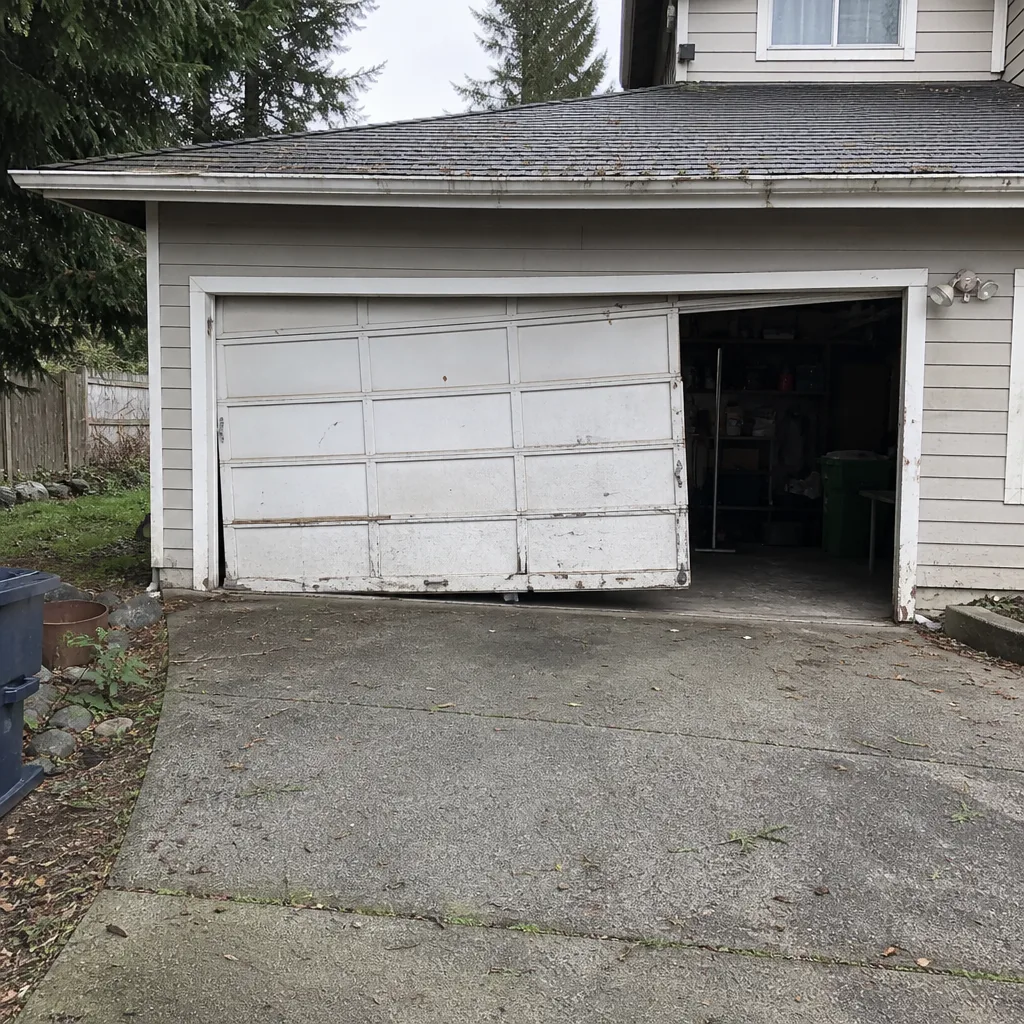
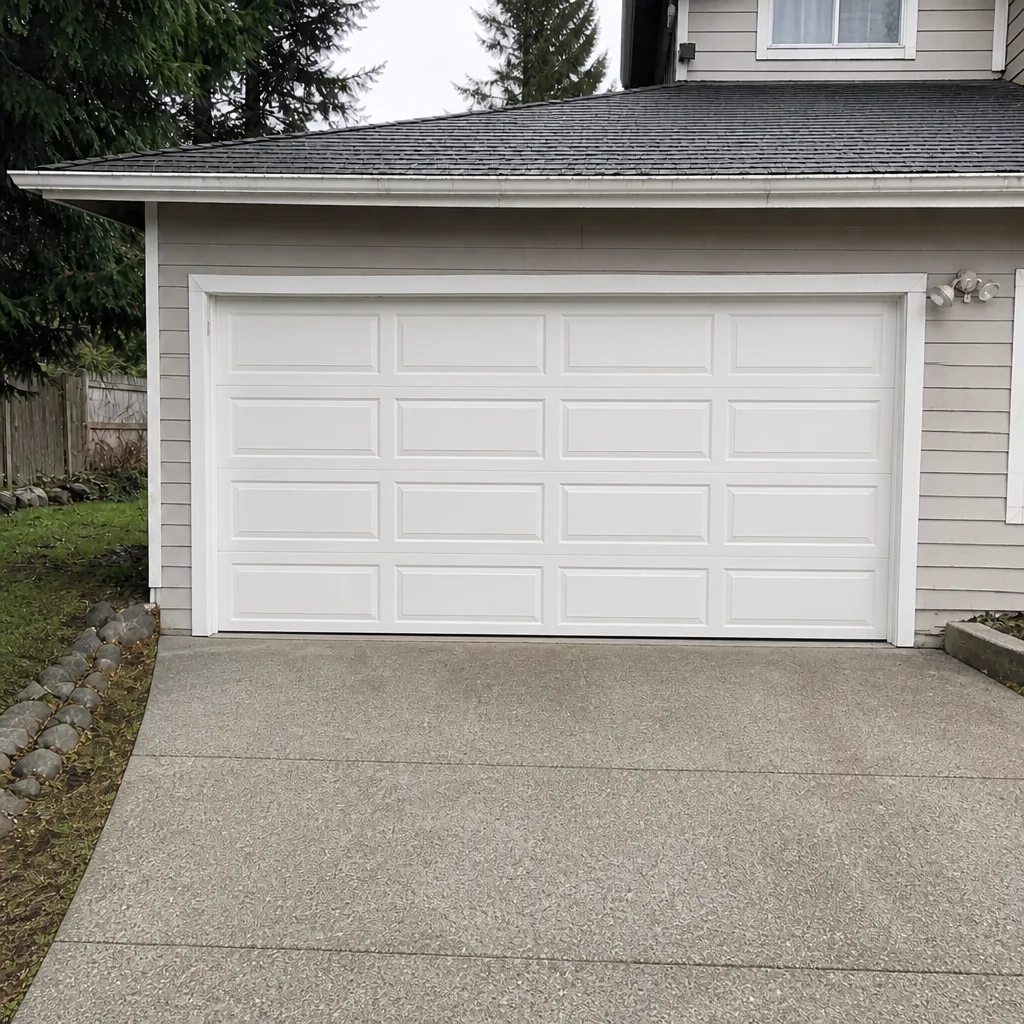
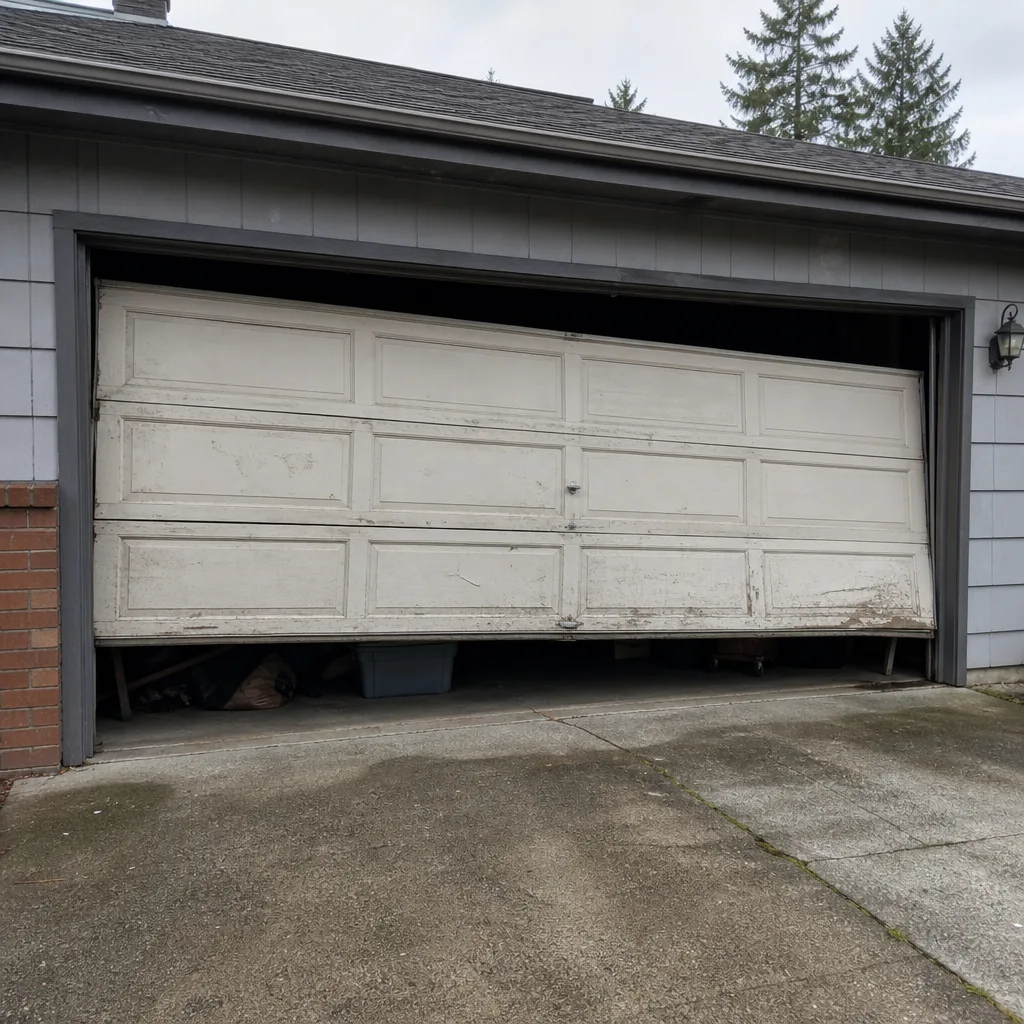
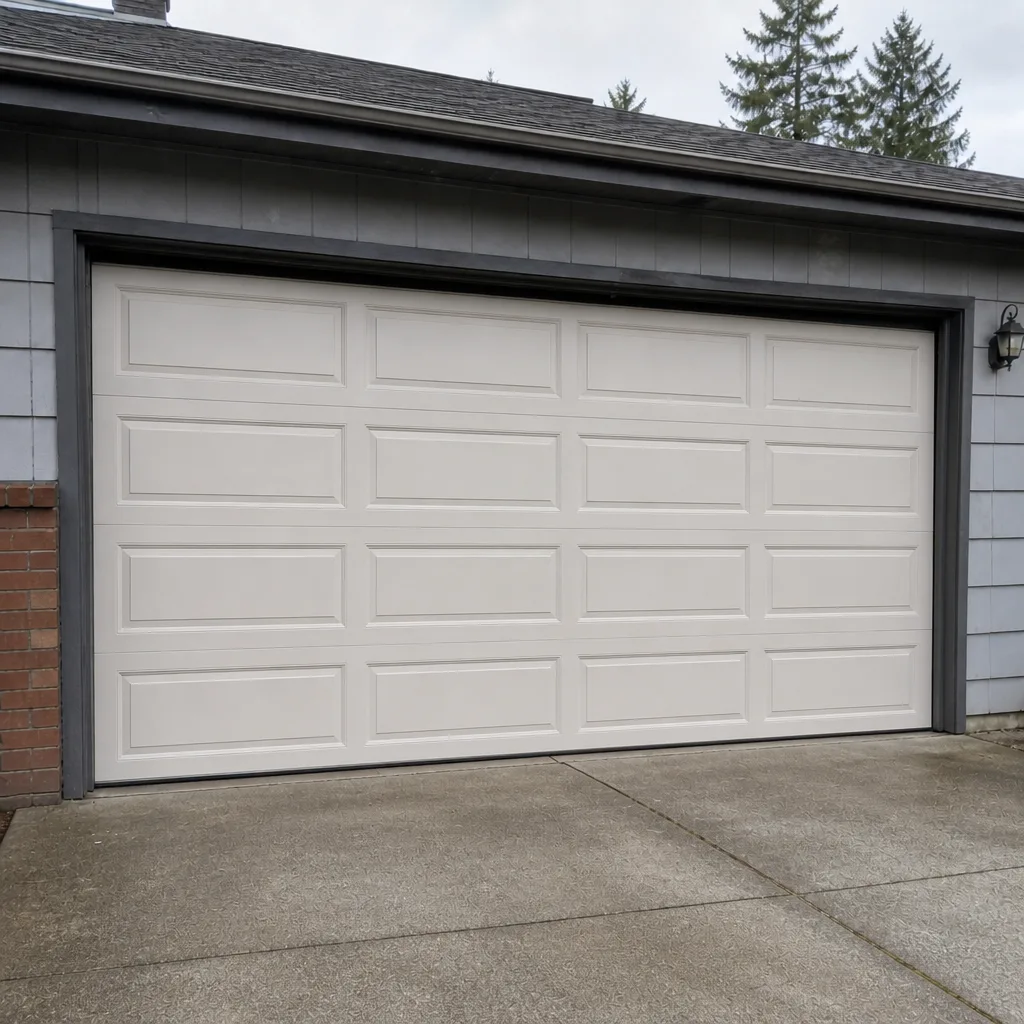
See the difference
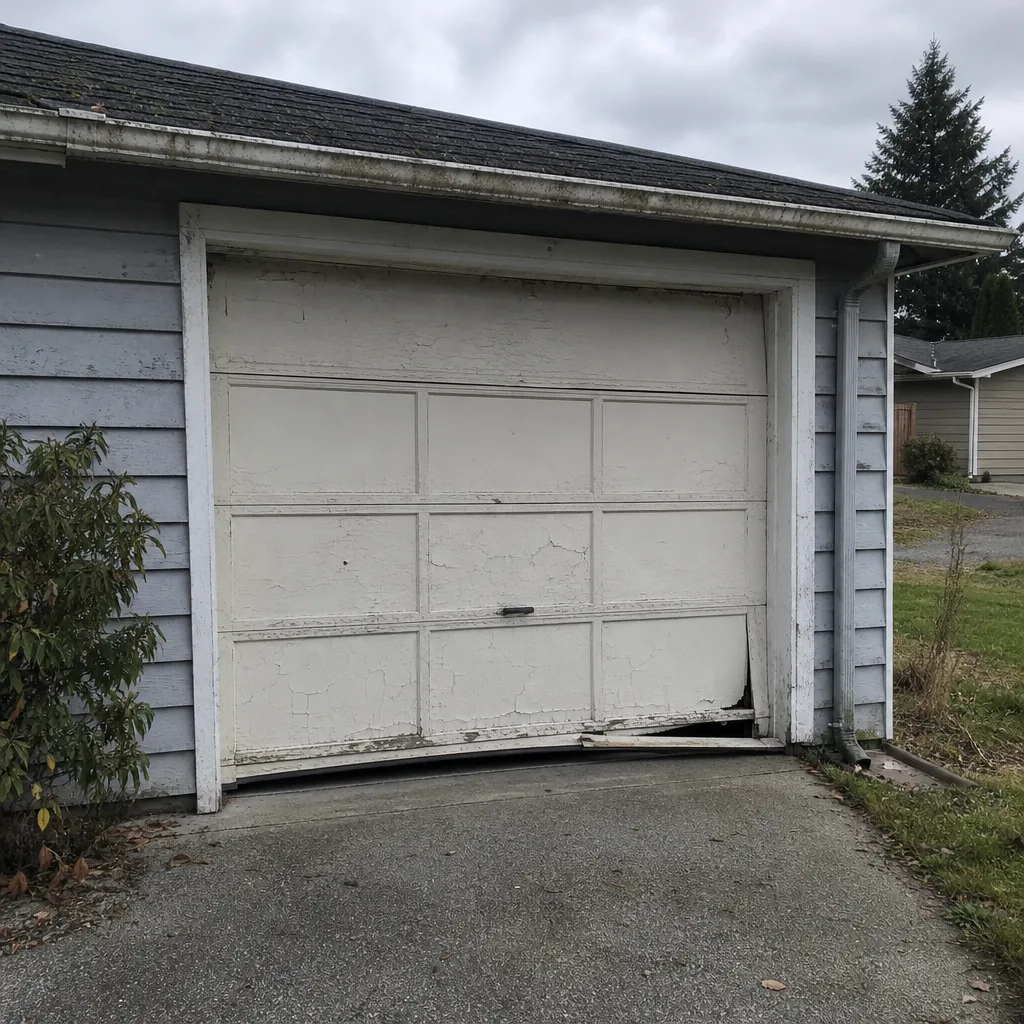 Before
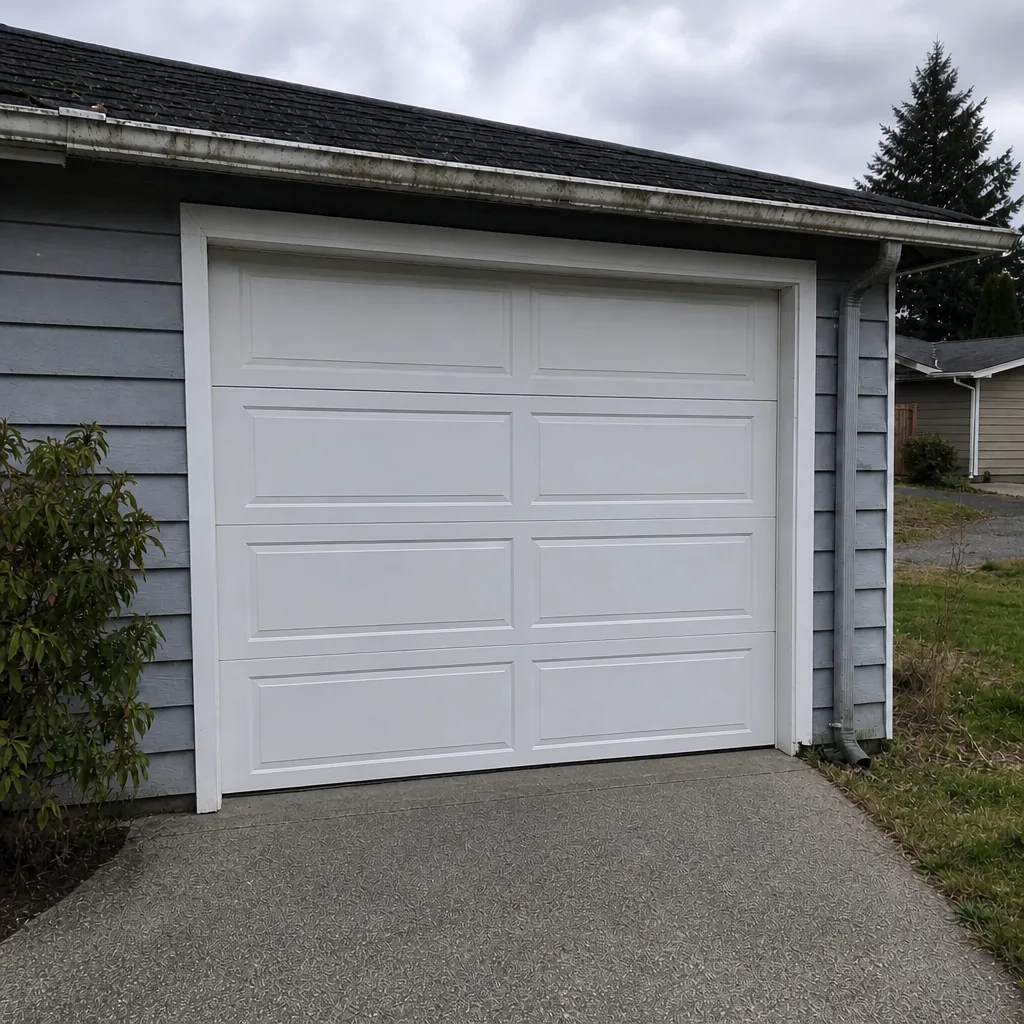 After
 Before
 After
 Before
 After