Last updated November 23, 2026
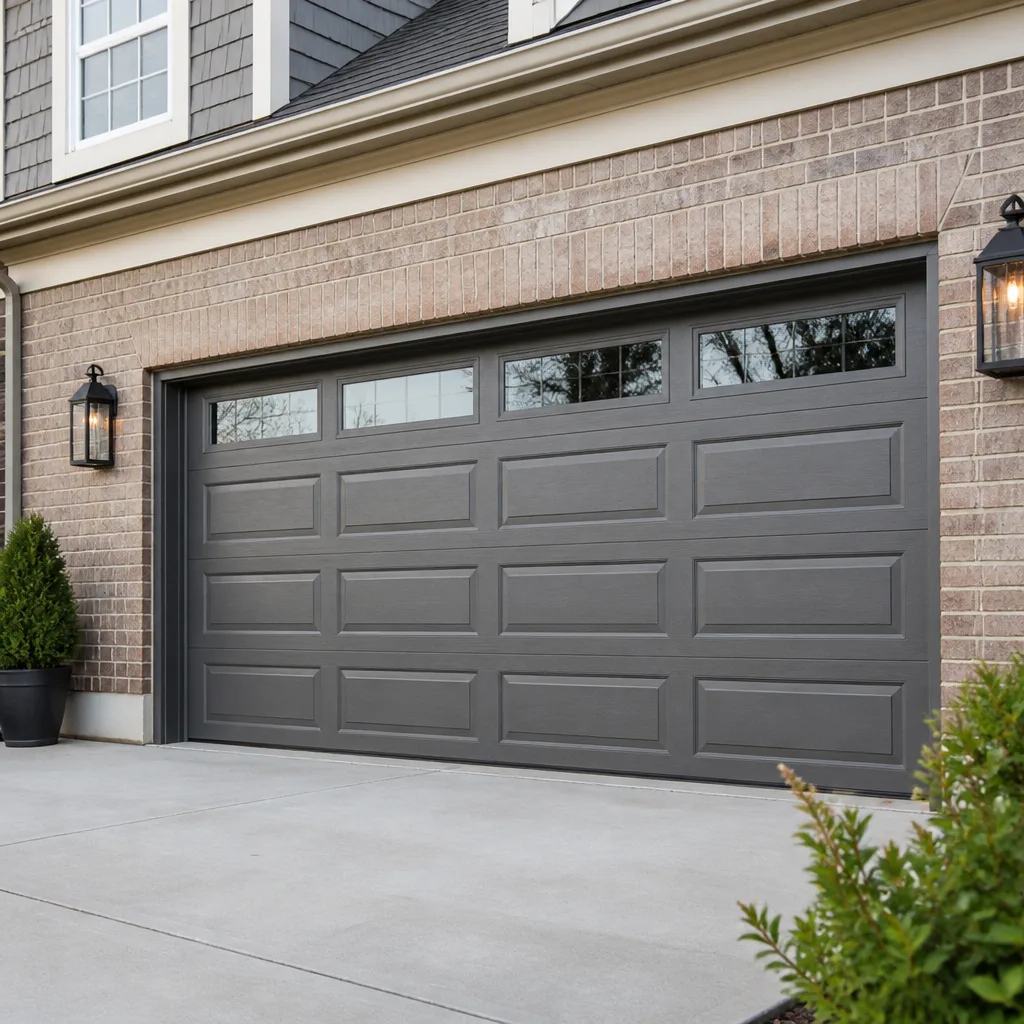 Raised-panel steel
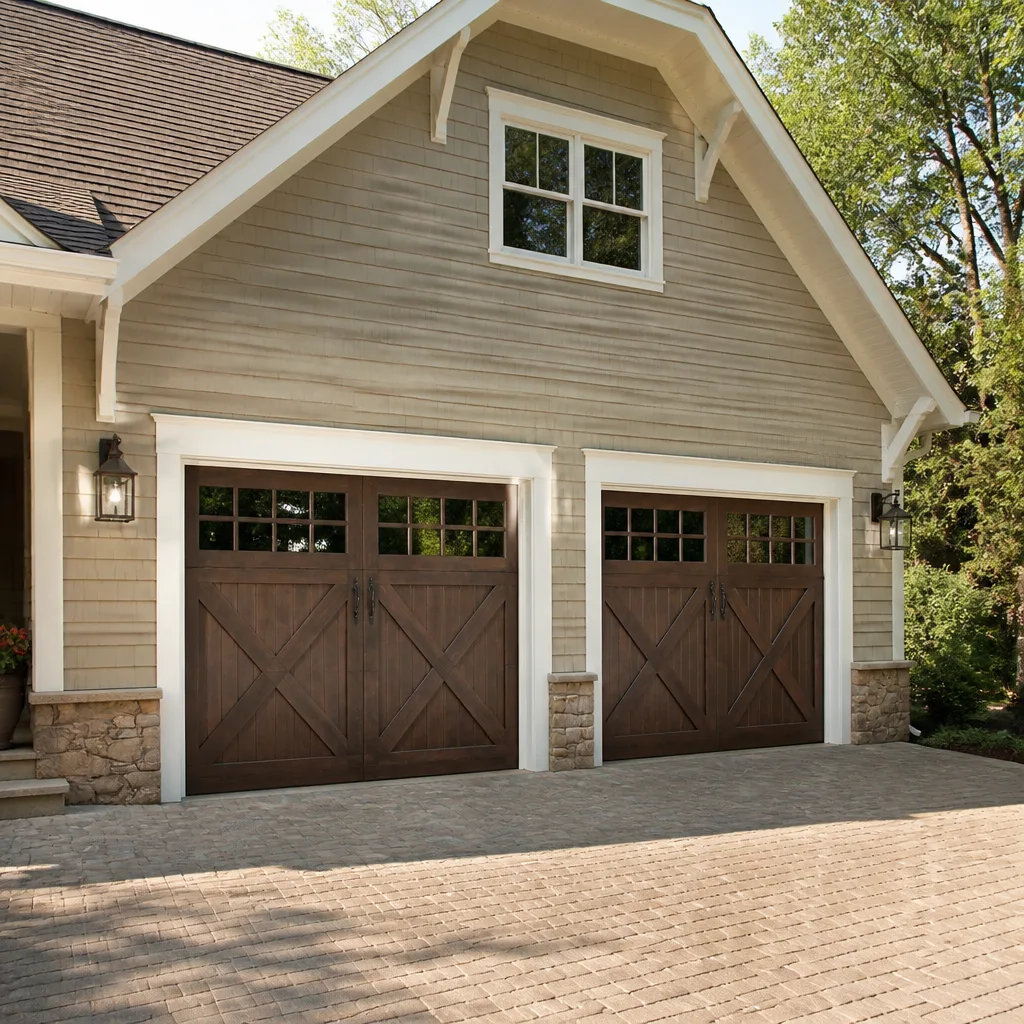 Carriage house
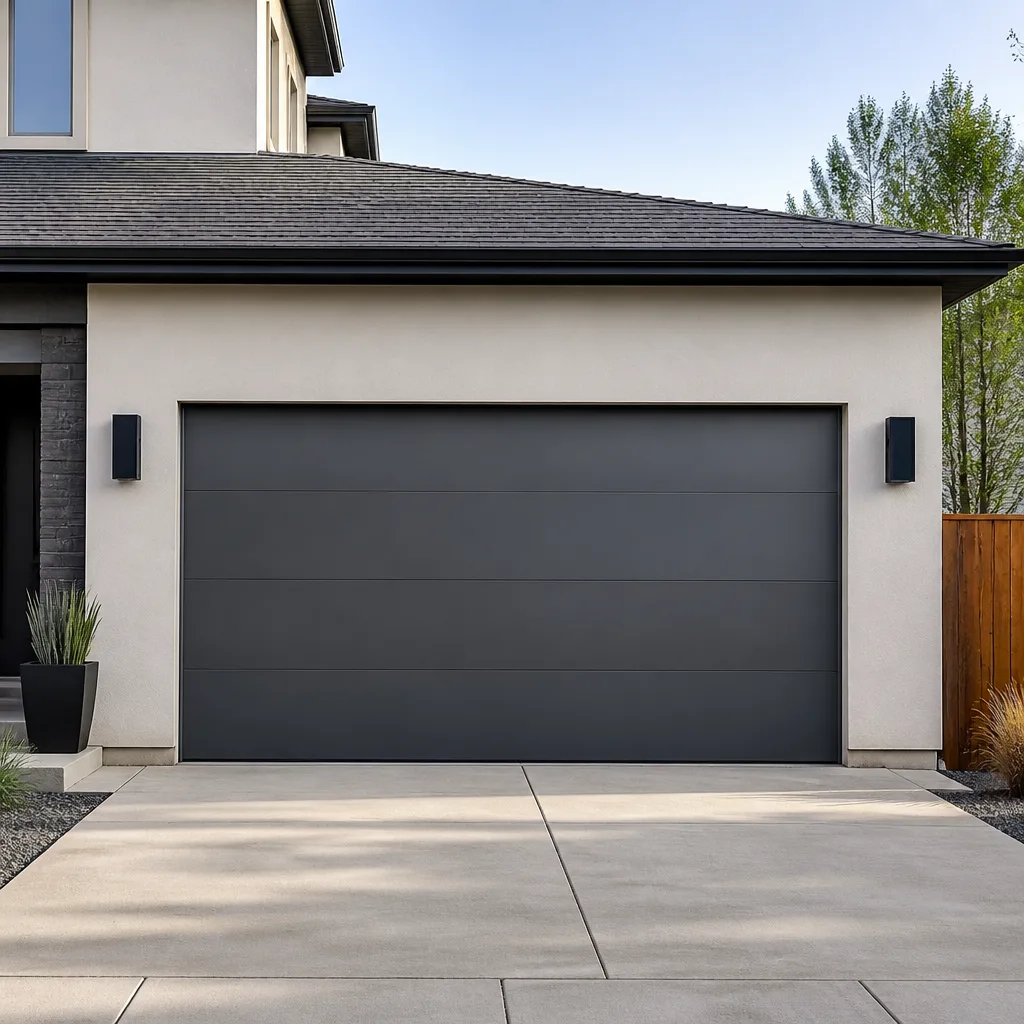 Modern flush
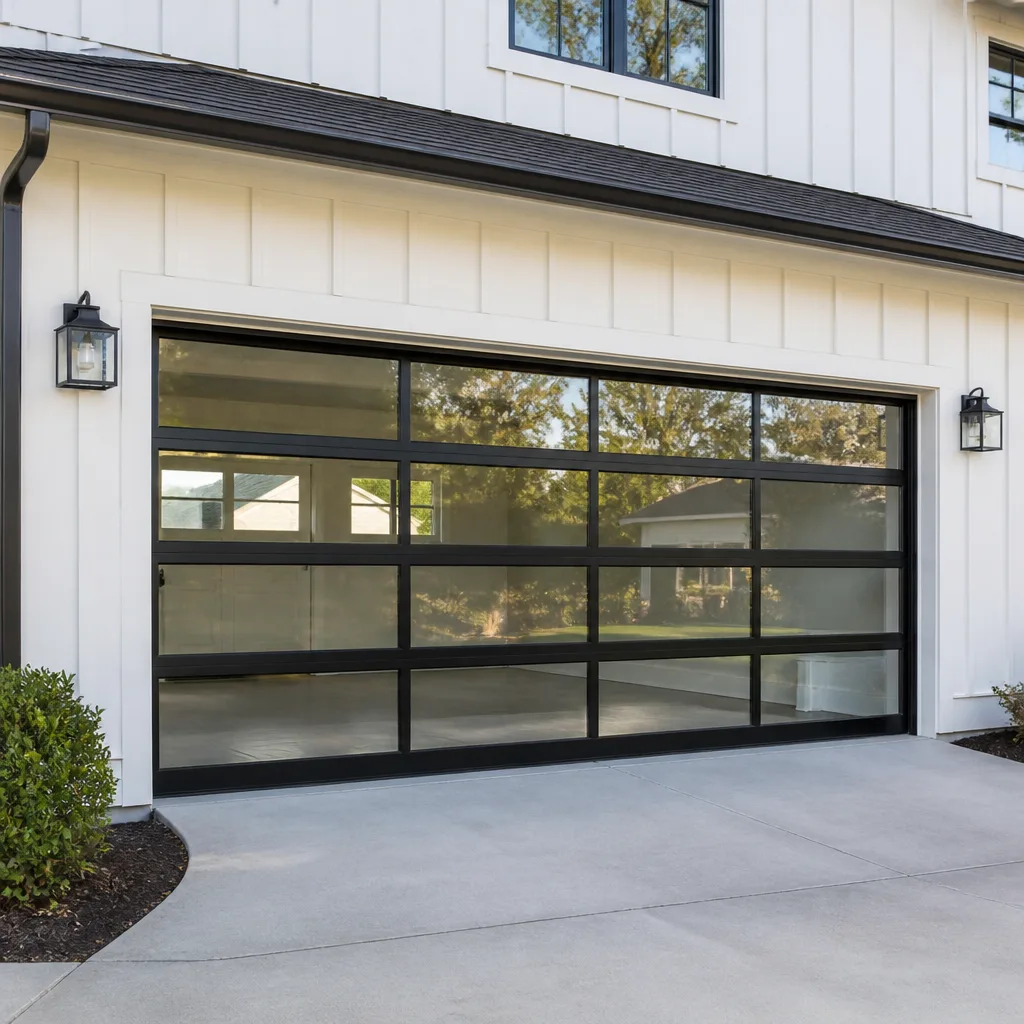 Full-view glass
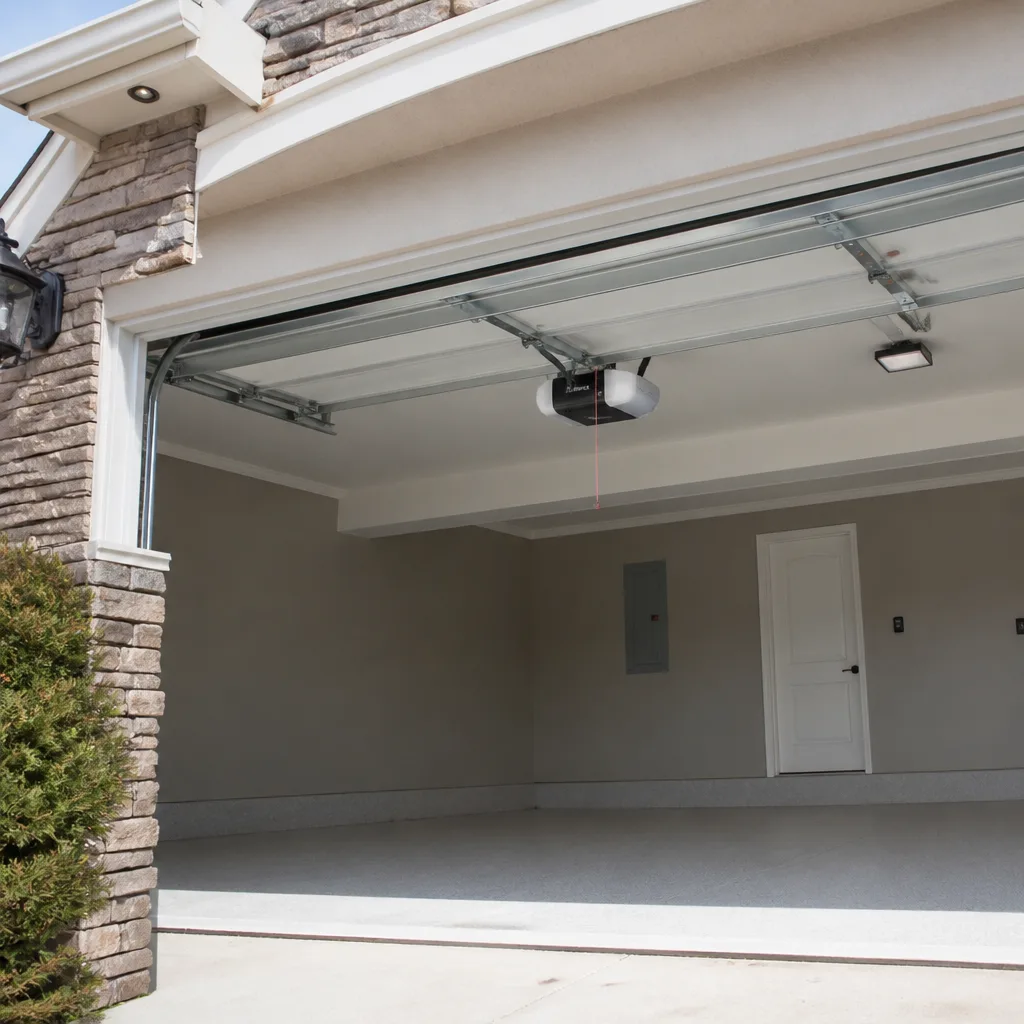 LiftMaster openers
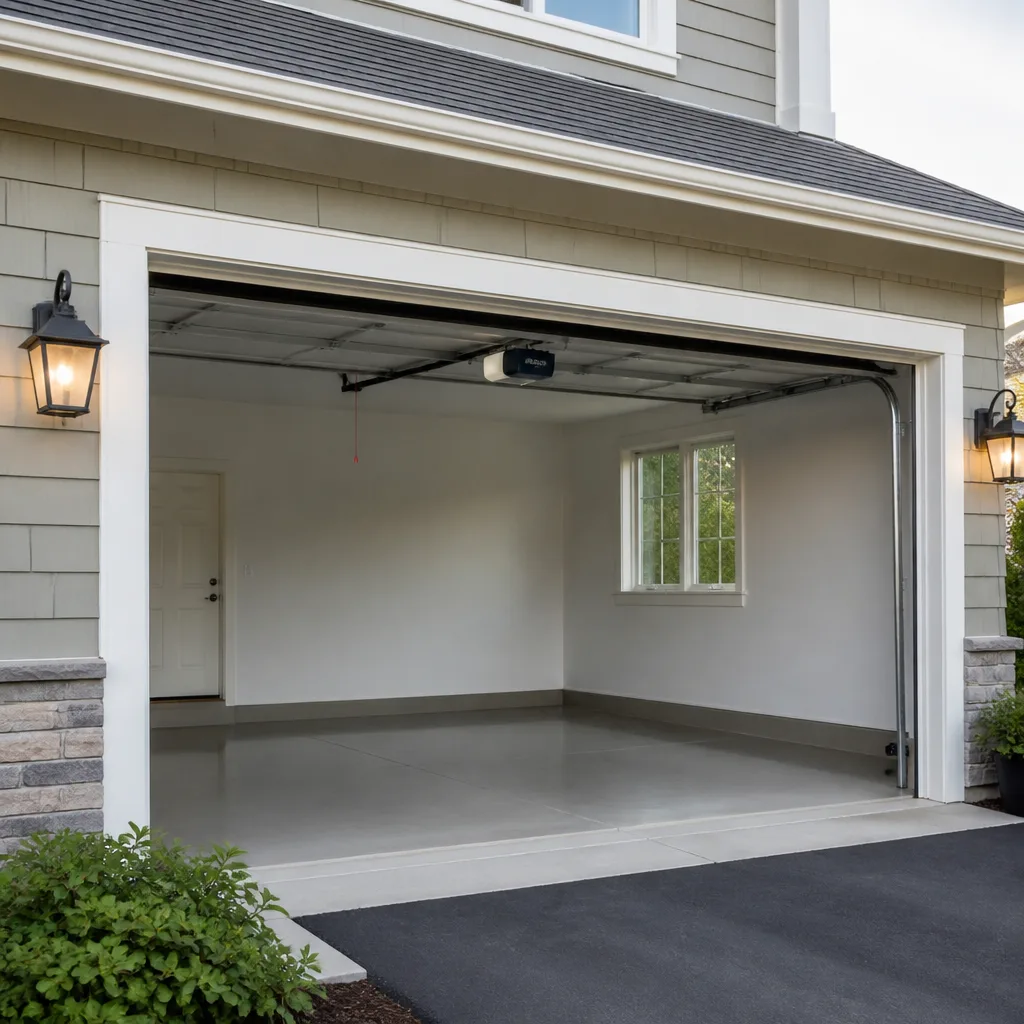 Chamberlain openers
Full 25-point door and opener safety check with every visit - springs, cables, rollers, tracks, and your LiftMaster or Chamberlain opener included
You get a price before we start. It does not change when the pro arrives.
Get your free estimateChoosing the Right Garage Door Brand: A Buyer’s Guide for SeaTac
Most homeowners pick a garage door brand by looking at photos online. That’s the wrong order. A wood-look carriage door from a manufacturer with no Pacific Northwest dealer network can leave you waiting weeks for a replacement panel after a simple impact, and the waiting happens in the rain, with a gap in the door your whole house feels. Brand selection in SeaTac is partly a logistics decision: who builds the door, who stocks the panel, who honors the warranty, and who can actually get you the part. This guide compares the major door and opener brands on the things that matter here – steel gauge, insulation, finish, rust warranty language, and parts availability in King County – so you choose once and choose well.
Quick Answer
The right garage door brand in SeaTac is the one that balances three things: a steel gauge and finish built for wet, mild weather; a distributor that actually stocks replacement panels and parts in King County; and a warranty that covers rust and finish rather than quietly excluding them. For doors, Clopay and Amarr are the two most reliable all-rounders for local homes, with Wayne Dalton and CHI close behind depending on budget and style. For openers, LiftMaster and Chamberlain lead on parts availability, with Genie a solid value pick. In short: choose the brand whose local supply chain can support the door for the next decade, not just the one that photographs best.
Styles & brands we work with
- Raised-panel steel
- Carriage house
- Modern flush
- Full-view glass
- LiftMaster openers
- Chamberlain openers
Table of Contents
- Why Brand Choice Matters More Than Most Buyers Think
- Matching Door Material to SeaTac Conditions
- Door Brands Compared: Clopay, Amarr, Wayne Dalton, and CHI
- Opener Brands Compared: LiftMaster, Chamberlain, and Genie
- What ‘Locally Stocked Parts’ Really Means in SeaTac
- Warranty Language Decoded
- How to Match a Brand to Your Home and Garage
- Common Mistakes to Avoid
- When to Call a Professional
Why Brand Choice Matters More Than Most Buyers Think
Garage doors are a system, not a single product. The panels, tracks, springs, hinges, and opener all need to work together, and the brand determines how much of that system you can repair later versus how much you have to replace. On a door built by a manufacturer with strong local distribution, a cracked panel or bent track can often be swapped in isolation. On an imported or discontinued door, one damaged panel can mean replacing the whole thing.
In SeaTac specifically, brand also determines how the door handles the weather. We’re in a mild, wet climate with a lot of rain and long damp stretches, which puts continuous stress on steel finishes, hinges, and spring hardware. A door that survives a dry climate may fail faster here if its finish is thin or its warranty excludes rust. That’s why brand choice is really a question of finish quality, steel grade, and warranty coverage all at once.
There’s a third factor that gets overlooked: serviceability. When we look at garage door repair jobs around SeaTac, the repairs that go smoothly are the ones where the brand’s parts are available and the specs are well documented. If your door needs a panel, a hinge set, or a spring matched to a specific model, a brand with a local dealer network and clear parts numbers makes the difference between a fast fix and a frustrating wait.
The practical takeaway: choose the brand based on the door’s build, the finish, the warranty, and who stocks it. Style and price matter, but they shouldn’t lead the decision. Our technicians have up to 8 years of experience working across the major brands, and the pattern is consistent – a well-supplied mid-tier door outlasts a poorly supplied premium one.
Matching Door Material to SeaTac Conditions
SeaTac homes have a specific set of exposures that should drive material choice: persistent rain, moderate winter temperatures, and wind gusts that hit harder in some neighborhoods than others. The right material depends on which of these your garage faces.
Here’s what matters most when choosing door material here:
- Steel gauge: Steel is the most common door material in SeaTac and the most sensible for most homes. A 24-gauge steel door is the practical minimum for a residential garage that sees regular wind exposure; 27-gauge is thinner and better suited to sheltered, low-wind positions. On exposed sides near the airport or on streets with open sightlines, we lean toward heavier steel for stiffness.
- Insulation: If the garage is attached and shares a wall with living space, an insulated door helps hold temperature and reduces noise. Polyurethane insulation generally outperforms polystyrene on R-value, though the exact figure depends on the model. For detached garages, insulation is more of a comfort choice than a necessity.
- Finish: Steel doors with a factory-applied finish and a rust-resistant primer hold up far better in wet climates than raw or lightly coated steel. Finish quality is where brands separate.
- Wood and wood-look: Real wood doors look great but need regular sealing and refinishing in our climate, and they move with moisture. Wood-look steel or composite gives you the appearance with far less maintenance.
- Aluminum and glass: Popular for modern facades, but glass panels need quality seals, since driving rain will find any weak point. Choose brands that use properly gasketed glass frames.
The message here is simple: in SeaTac, the door’s finish and hardware do most of the durability work. A premium brand with a thin finish will fail faster than a mid-tier brand with a good one. When we discuss spring and hardware reliability on garage door spring repair jobs, we see the same pattern – the door itself is often fine, but the hardware and finish determine how long it lasts.
Door Brands Compared: Clopay, Amarr, Wayne Dalton, and CHI
These four brands cover the majority of residential doors in the SeaTac area. Rather than a single “best,” here’s how they compare on the criteria that matter for a wet, mild climate.
- Clopay: The most widely recognized name in residential steel doors, with a deep model range and a strong distribution footprint in King County. Warranty terms on Clopay steel doors generally cover rust-through for a defined period, and finish warranties vary by model. Their polyurethane-insulated lines are a good fit for attached garages. Parts are well documented and generally obtainable through local dealers.
- Amarr: A close competitor to Clopay with strong steel door lines and competitive insulation. Amarr’s steel doors are well regarded for panel durability and finish, and their warranty language tends to be clear about what’s covered. Their distributor coverage in the Puget Sound region is solid, which matters when you need a panel replaced.
- Wayne Dalton: Known for value pricing and a broad catalog, including distinctive models. The trade-off is that finish quality and insulation options vary more across the lineup – the entry-level doors are lighter and thinner than the premium lines. Worth considering on a budget, but choose the higher line if durability matters.
- CHI: A common choice for carriage-style and accent doors, with strong visual appeal and generally good steel construction. CHI availability varies more by dealer, so confirm parts are locally obtainable before committing, especially for custom styles.
For most SeaTac homes, Clopay and Amarr are the two safest picks on balance: good insulation options, finish quality that holds up in wet weather, and local distribution that supports repairs. Wayne Dalton and CHI make sense when budget or a particular style is the priority, and we’ll be direct about the trade-offs when we quote.
Opener Brands Compared: LiftMaster, Chamberlain, and Genie
The opener is a separate decision from the door, and the brand matters for different reasons: motor longevity, parts availability, and how well it integrates with the rest of your home. When we handle garage door opener repair across the area, the same three brands come up most often.
How they compare:
- LiftMaster – The professional-grade name, with strong build quality, quiet belt and chain drives, and broad availability of replacement parts and accessories. Local parts support is the best of the three, which makes repairs fast. Smart features are strong and the motors are known for longevity. If you want a single reliable choice, this is it for most homes.
- Chamberlain – Built on the same core platform as LiftMaster but sold more through retail channels and generally priced a bit lower. Features are solid, including smart connectivity, but certain replacement parts can be harder to source locally than LiftMaster equivalents. A good value pick if the price gap matters and the unit is a common model.
- Genie – A solid choice with a strong reputation for quiet operation and straightforward, reliable mechanics. Smart home support varies by model. Parts are available but the local parts network is smaller than LiftMaster’s, so a specialty model may take longer to repair.
One thing to check before choosing an opener brand: whether your door’s weight and spring setup suit the opener’s drive type. A belt-drive opener is the right call for an insulated door in an attached garage; a chain drive is fine for a detached garage where noise doesn’t carry. And if you’re not sure what’s already installed, we can identify it – we work on systems from eight major brands, so no opener is a mystery.
What ‘Locally Stocked Parts’ Really Means in SeaTac
“Locally stocked” is a phrase that gets thrown around loosely. For a garage door, it should mean the parts you’re likely to need – panels, hinges, rollers, tracks, and opener components – are available through a distributor serving King County, so a repair doesn’t stall waiting on a shipment from across the country.
Here’s what actually happens with parts availability in the SeaTac area:
- Door panels: Common models from the big brands are usually obtainable through local dealers within a few days. Less common styles, discontinued lines, and custom carriage doors can take longer, sometimes several weeks. This is the single biggest argument for choosing a mainstream brand.
- Hardware and springs: Springs are matched to the door’s weight, so a spring replacement usually requires getting the right spec rather than the exact brand. Hinges, rollers, and tracks are broadly available and easy to source locally.
- Opener parts: LiftMaster and Chamberlain share much of their platform, which makes their parts broadly obtainable. Genie parts are available but a narrower network. Specialty features like built-in cameras or unique smart modules can be the hardest to replace quickly.
The practical advice: before you commit to a brand, ask who services it locally and whether replacement panels are obtainable. A door is a long-term purchase, and the parts network is part of the product. When we look at a door for installation or replacement, we factor in how your chosen brand is supplied in SeaTac, because that’s what determines how quick a future repair can be.
Warranty Language Decoded
Warranty terms are where brands often differ most, and the language is worth reading closely. Two warranties that both say “lifetime” can cover completely different things.
The key distinctions to look for:
- Rust-through coverage – The strongest steel door warranties cover rust-through, meaning the door has rusted entirely through the steel. This is broader than a “no rust” claim and is the one to prioritize in a wet climate. Confirm the exact period and what voids it.
- Finish and paint warranties – These cover peeling, cracking, and fading of the factory finish. They typically require proper maintenance on your side, including keeping the door clean and not repainting over factory finishes incorrectly. Read what maintenance is required to keep the coverage valid.
- Hardware and spring coverage – Separate from the door, and often shorter. Springs are wear items in most warranties, so don’t expect them to be covered for the life of the door.
- Opener warranties – Usually split between the motor and the electronics. A long motor warranty with short electronics coverage is common; check both.
- Exclusions – Read the exclusions paragraph first. Some warranties exclude finish failure in certain climates; others require professional installation to remain valid. In our climate, a warranty that excludes finish or rust issues defeats much of its purpose, so check before you buy.
A short conversation with a dealer about warranty specifics is worth more than a long marketing page. Ask what’s covered, what voids the coverage, and what maintenance is required. Then weigh that against the brand’s parts availability. A generous warranty from a brand with no local parts network is only half useful.
How to Match a Brand to Your Home and Garage
The “best” brand depends on your home, your garage’s position, and how you use the space. Here’s a practical way to narrow it down:
- Check your garage’s exposure. If the door faces open ground or sits on an exposed side near the airport, prioritize heavier steel and a strong factory finish. A sheltered door gives you more flexibility.
- Decide on insulation based on use. Attached garage sharing a wall with living space: choose an insulated door, ideally polyurethane. Detached garage used mainly for storage: insulation is optional.
- Pick the opener drive type. Belt drive for quiet, attached garages; chain drive is fine elsewhere. Choose an opener brand with strong local parts availability.
- Confirm parts are locally obtainable. For your preferred door brand and style, ask who stocks replacement panels in King County. Note lead times, especially for custom styles.
- Read the warranty. Prioritize rust-through and finish coverage. Confirm what maintenance keeps it valid and whether professional installation is required.
- Get a written quote with a fixed price. Once you’ve shortlisted brands, have a professional measure your opening and provide a written estimate. The written quote is the price, so get it before you commit.
For SeaTac homes, the common outcome of this process is a Clopay or Amarr insulated steel door paired with a LiftMaster or Chamberlain belt-drive opener. But the right answer for your home depends on the details above, and we’re happy to walk through them with you.
Common Mistakes to Avoid
- Choosing by look alone. A door that photographs beautifully but is supplied by a brand with no local dealer network can leave you waiting weeks for a panel after a simple impact. Style should follow durability, not lead it.
- Ignoring the warranty exclusions. Many buyers read the warranty headline and not the exclusions. If a door’s warranty excludes finish or rust failure, it may offer little protection in our wet climate.
- Choosing a thinner steel for an exposed door. Lighter gauge steel saves money but can flex under wind load. On an exposed side in SeaTac, heavier steel is worth the difference.
- Skipping insulation on an attached garage. An uninsulated door on an attached garage leaks comfort and noise. If the garage shares a wall with living space, insulation should be on your list.
- Mismatching the opener to the door. A lighter-duty opener on a heavy insulated door wears out faster. Match the opener’s capacity to the door’s weight, and choose the drive type for the setting.
- Assuming every brand is equally repairable. Some brands have strong local parts networks; others don’t. Before you buy, confirm that replacement panels and hardware are obtainable locally, so a repair doesn’t become a rebuild.
- Buying before a professional measure. Opening sizes and mounting details vary. A written quote based on an actual measure prevents surprises and keeps the price you agreed to the price you pay.
When to Call a Professional
Some things are worth a call. Spring repair is the clearest example: high-tension torsion and extension springs store enormous force, and manufacturers and safety organizations warn against DIY work on them. If your door won’t lift, the opener grinds, a panel is cracked, the door is off its track, or you’re ready to choose and install a new door, a professional should handle it. The same goes for opener programming and replacement, which can be fiddly across brands and models. SeaTac Garage Door Repair Pros offers free estimates in SeaTac – call (866) 566-1405. We’ll diagnose before we quote, walk through the brand options that fit your home, and agree on the price in writing before any work starts.
See the difference
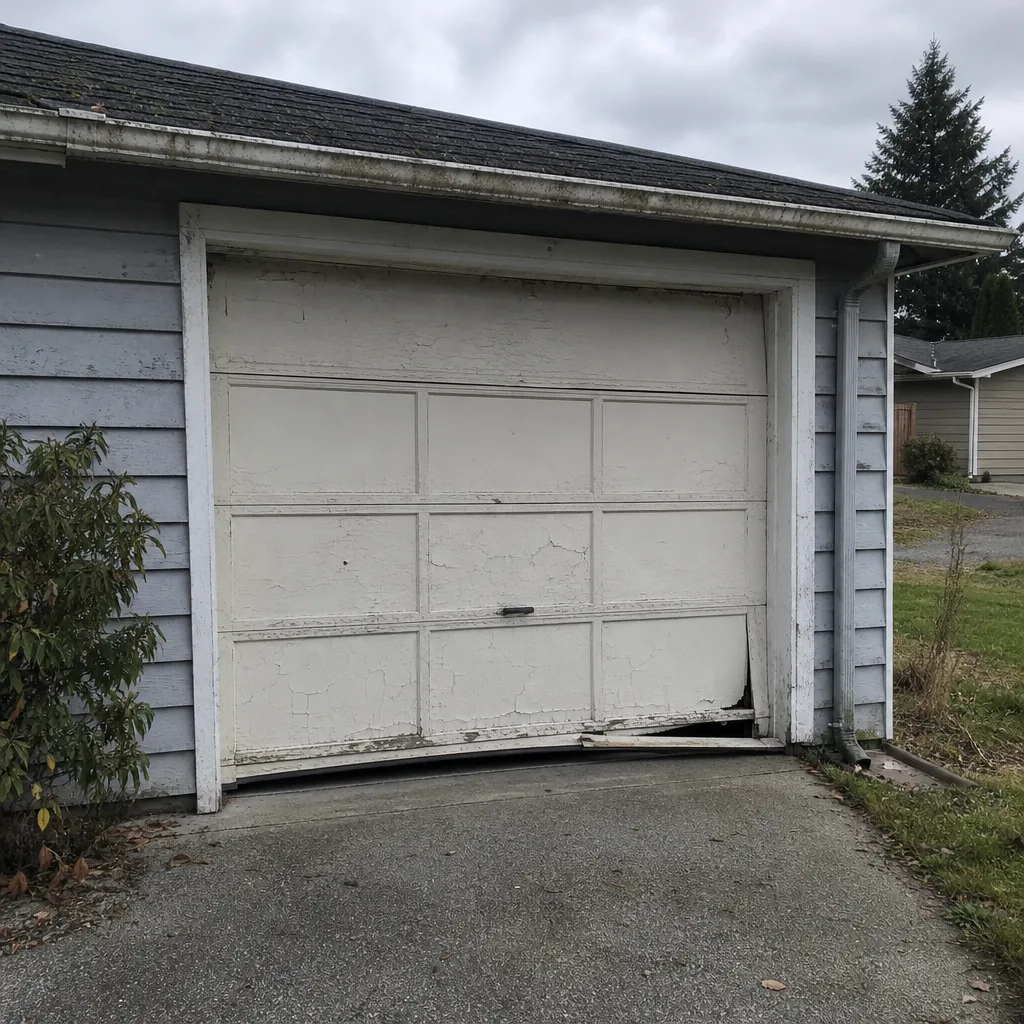 Before
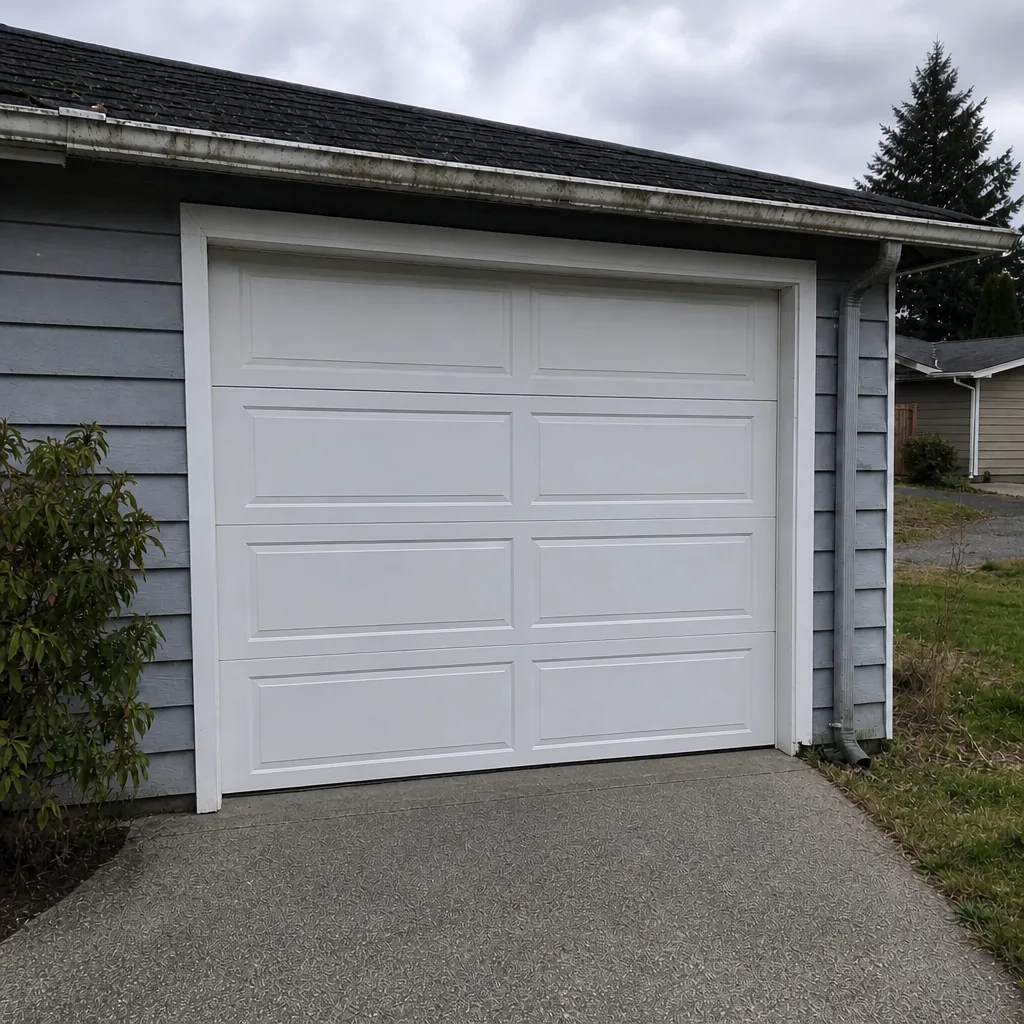 After
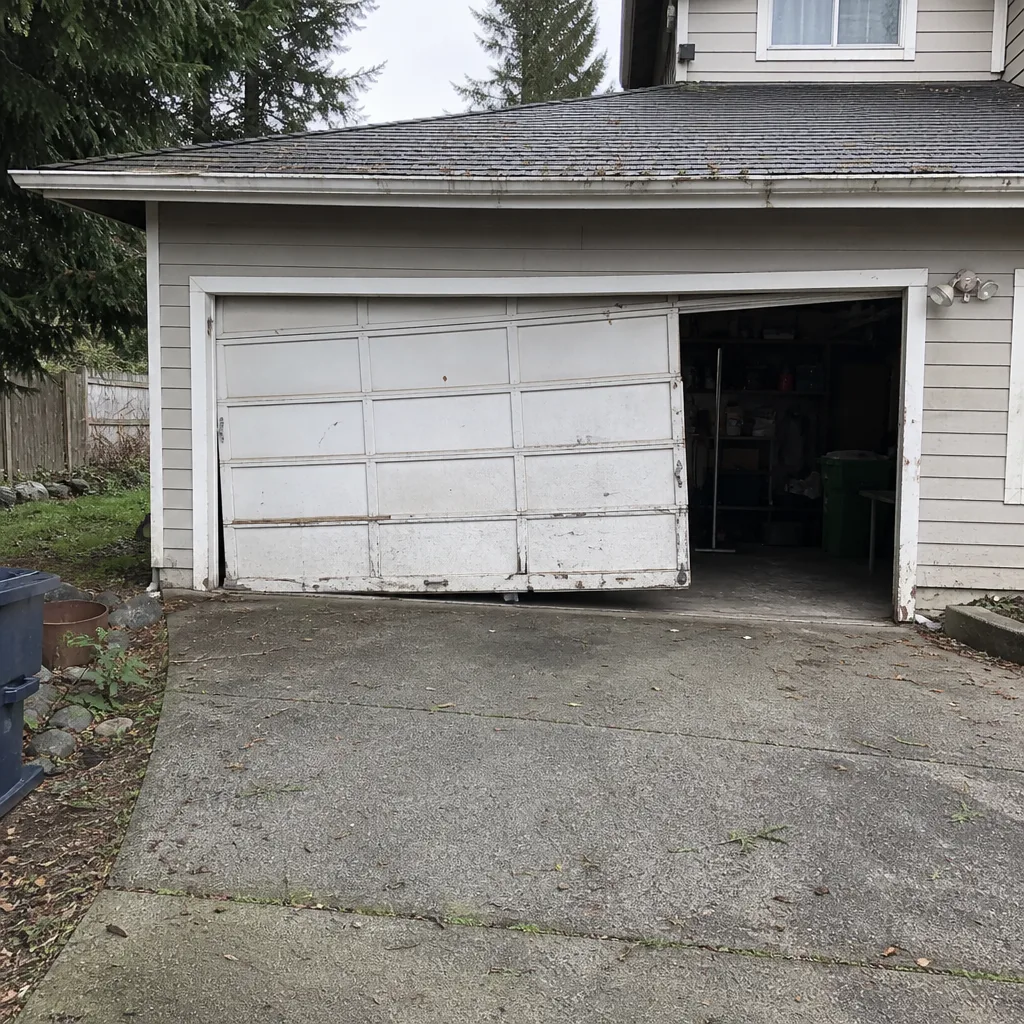 Before
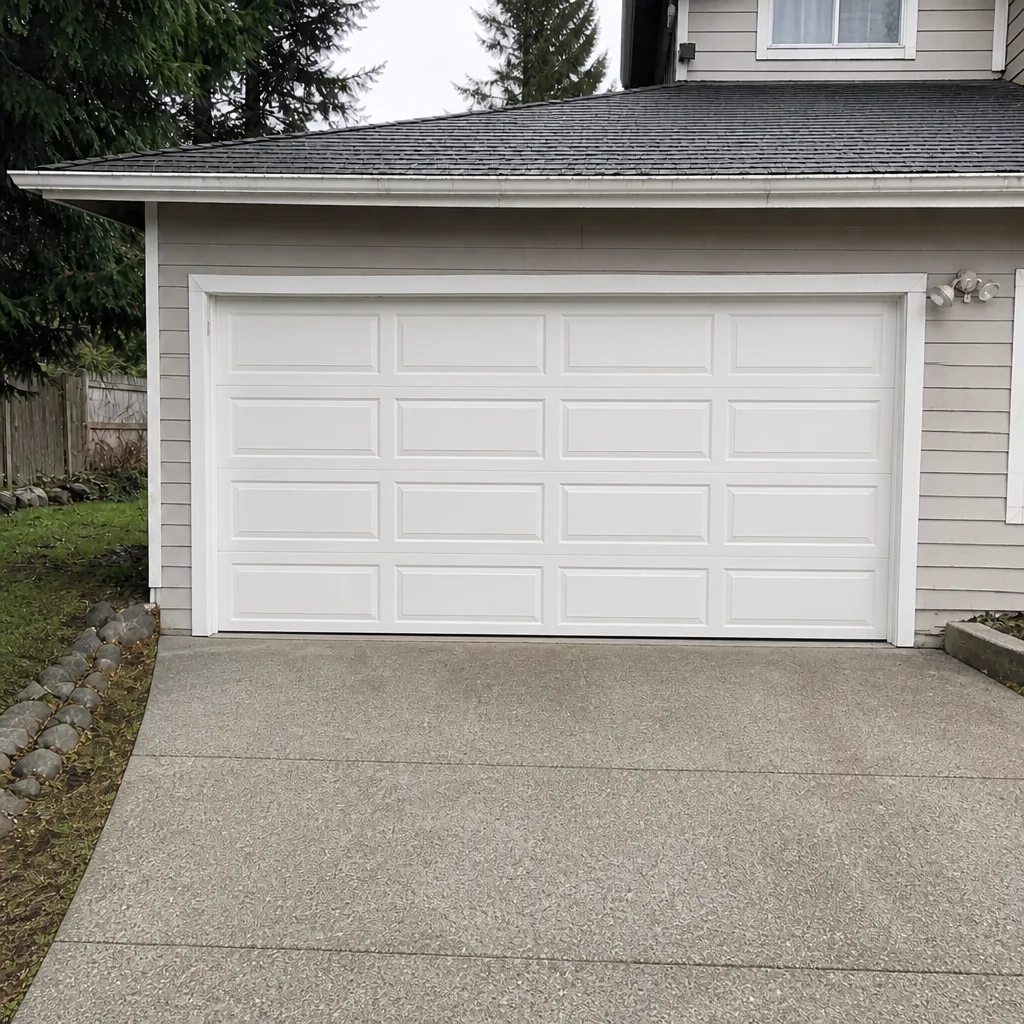 After
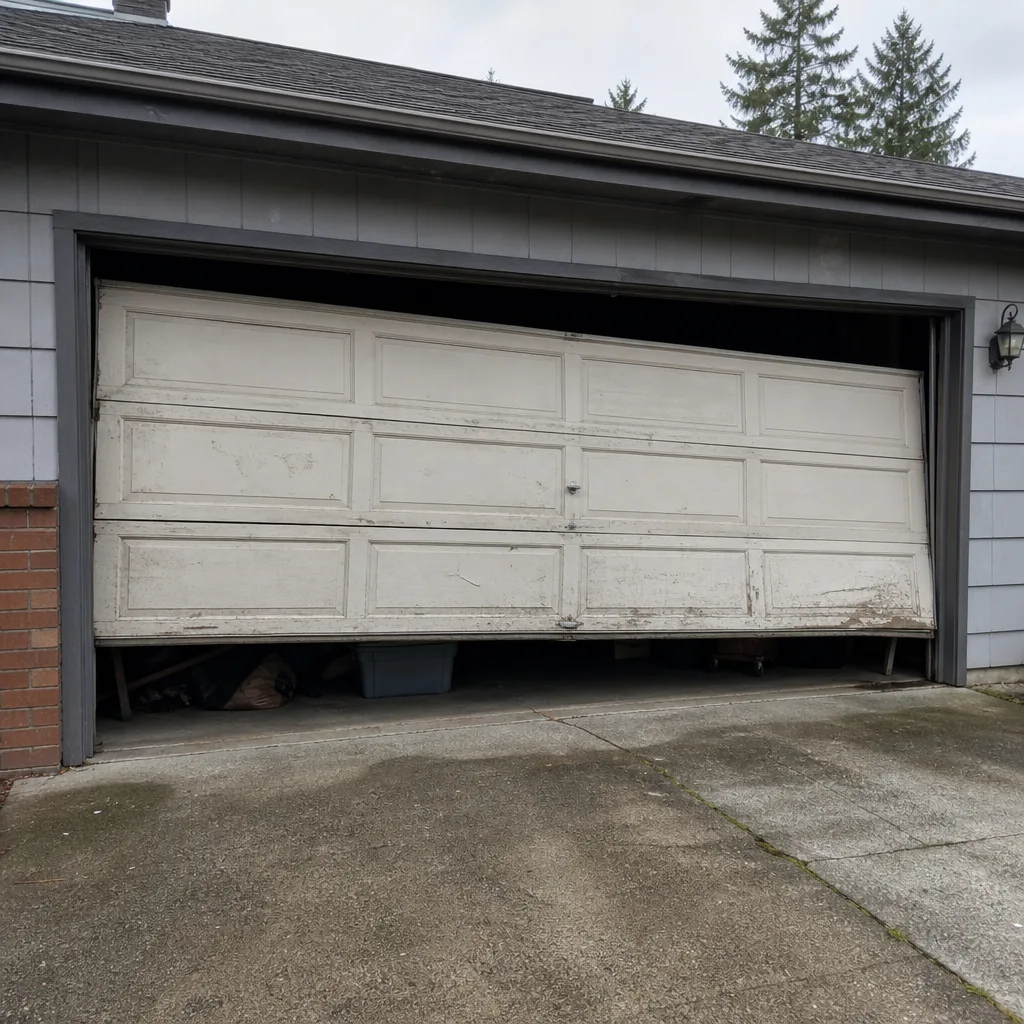 Before
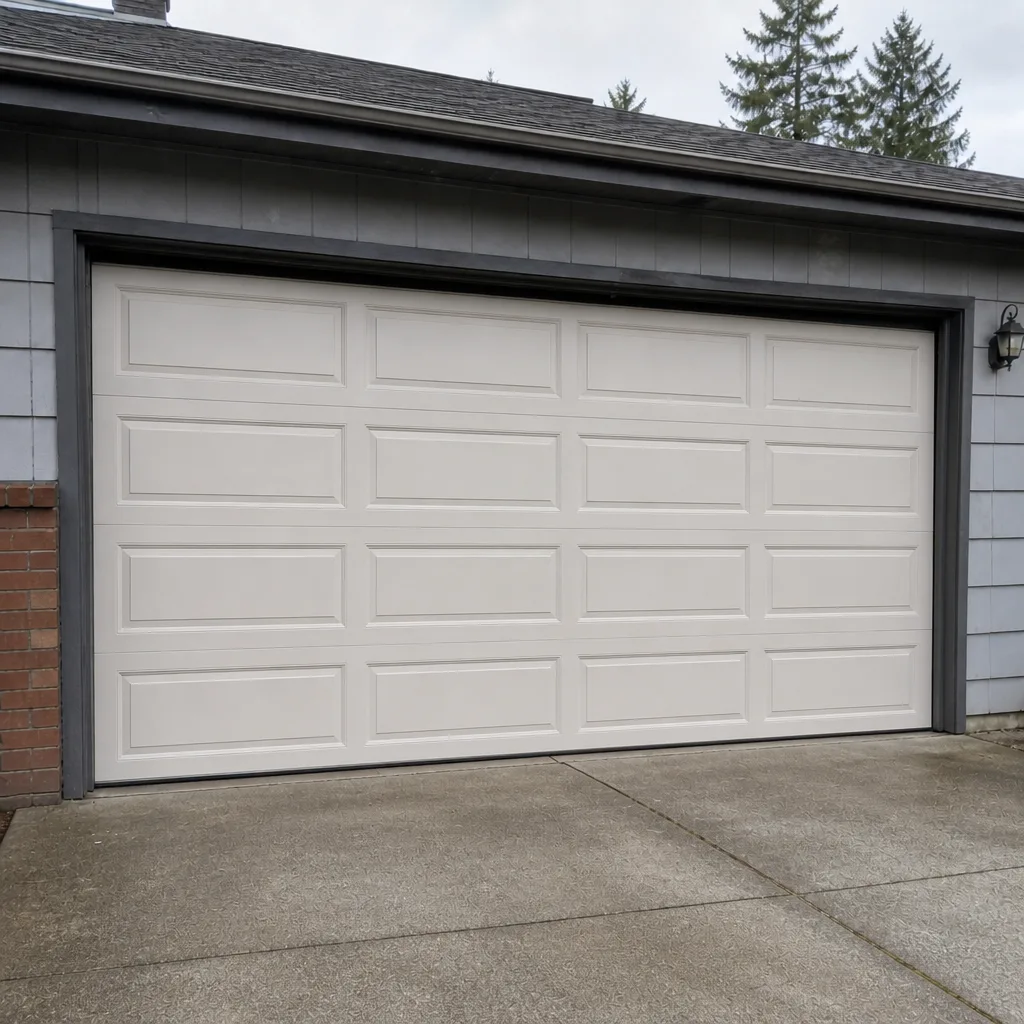 After
Frequently Asked Questions
For most SeaTac homes, Clopay and Amarr are the two strongest all-round choices for doors, and LiftMaster and Chamberlain for openers, based on insulation, finish durability, and local parts availability. Wayne Dalton and CHI are solid alternatives if budget or a specific style leads. The real deciding factor isn’t the logo – it’s whether the brand’s parts can be sourced in King County and whether the warranty covers rust and finish.
Some do and some don’t – it depends on the specific brand and model. Prioritize warranties that cover rust-through and finish degradation, and read the exclusions carefully, since some warranties limit finish coverage or require certain maintenance to stay valid. Ask the dealer exactly what’s covered before you buy, and get it in writing.
Match the opener’s capacity and drive type to the door. For an insulated door in an attached garage, a belt-drive opener from a brand with strong local parts availability, like LiftMaster, is a common fit; a chain drive is fine for a detached garage. We identify the existing setup and recommend based on weight, noise needs, and parts availability.
We work on systems from eight major brands, including LiftMaster, Chamberlain, Genie, Clopay, Amarr, Wayne Dalton, Craftsman, and Raynor, so no brand is unfamiliar. If your opener or door is from a less common manufacturer, call us with the model if you have it and we’ll confirm the best approach.
The written estimate sets the price. We diagnose before we quote, so the number you agree to in writing is the number you pay for the agreed scope of work. If we find something unexpected, we’ll explain it and get agreement before proceeding, never after the fact.
For common models from the major brands, panels are usually obtainable through local King County dealers within a few days. Less common styles, discontinued lines, and custom carriage doors can take longer, sometimes weeks. That’s why we recommend confirming parts availability on your chosen brand before you buy.
The Bottom Line
Brand choice for a SeaTac garage door comes down to four things: a finish and steel grade built for wet, mild weather; a parts network that actually serves King County; a warranty that covers rust and finish; and an opener matched to your door and your garage. Clopay and Amarr are the two safest door recommendations for local homes, with LiftMaster and Chamberlain the strongest opener picks. Pick the brand whose local supply chain can support you for years, not just the one that photographs best. When you’re ready, SeaTac Garage Door Repair Pros can help you compare the options and get a written estimate.
Call (866) 566-1405 for a free estimate. We’ll measure your opening, talk through the brands that fit your home, and put the price in writing before any work starts.
Written by the team at SeaTac Garage Door Repair Pros.