Last updated November 23, 2026
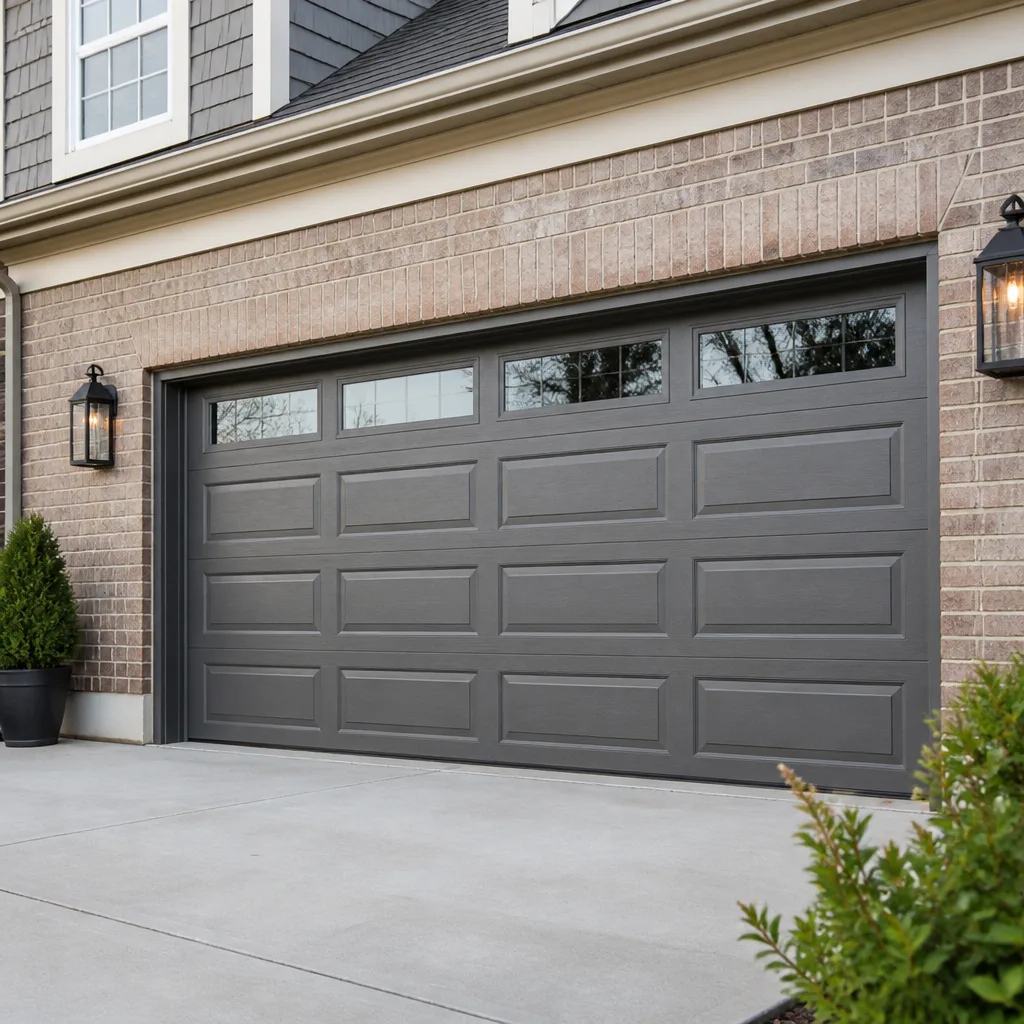 Raised-panel steel
 Carriage house
 Modern flush
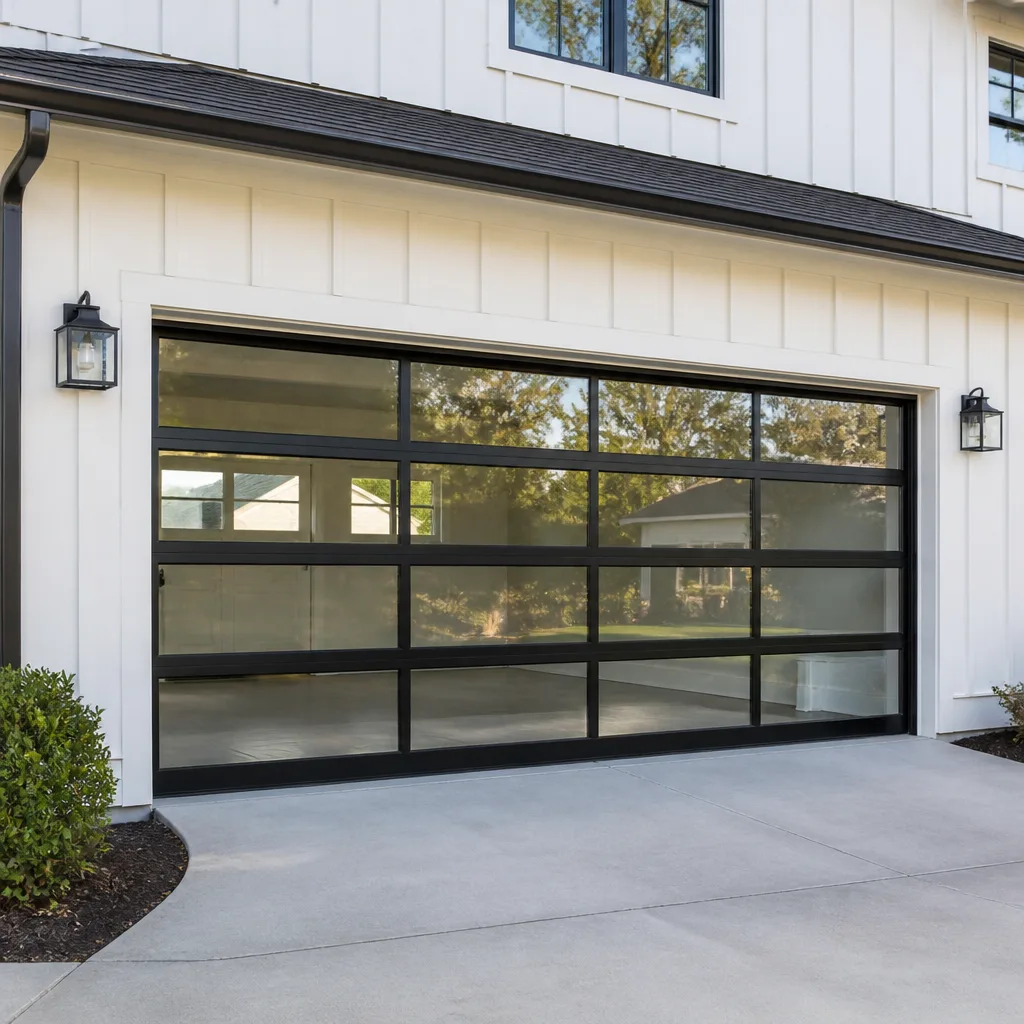 Full-view glass
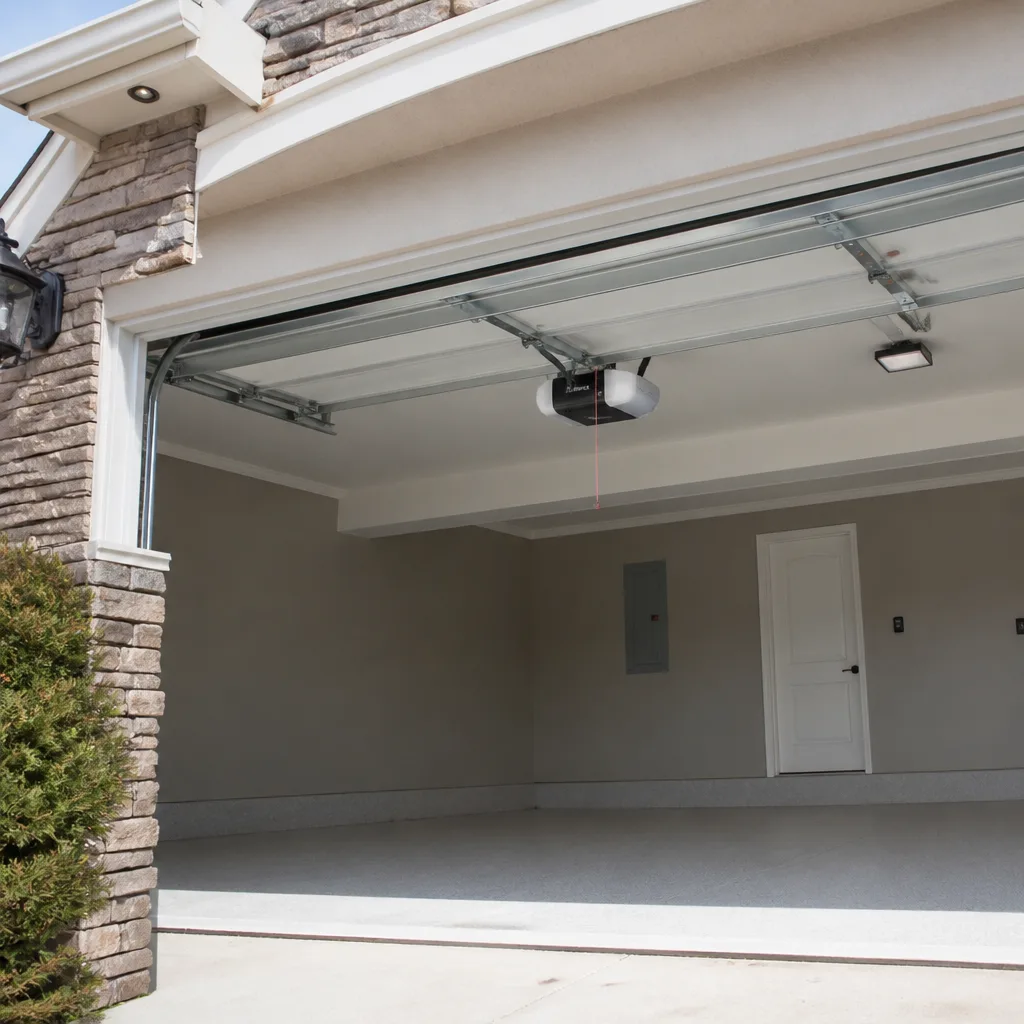 LiftMaster openers
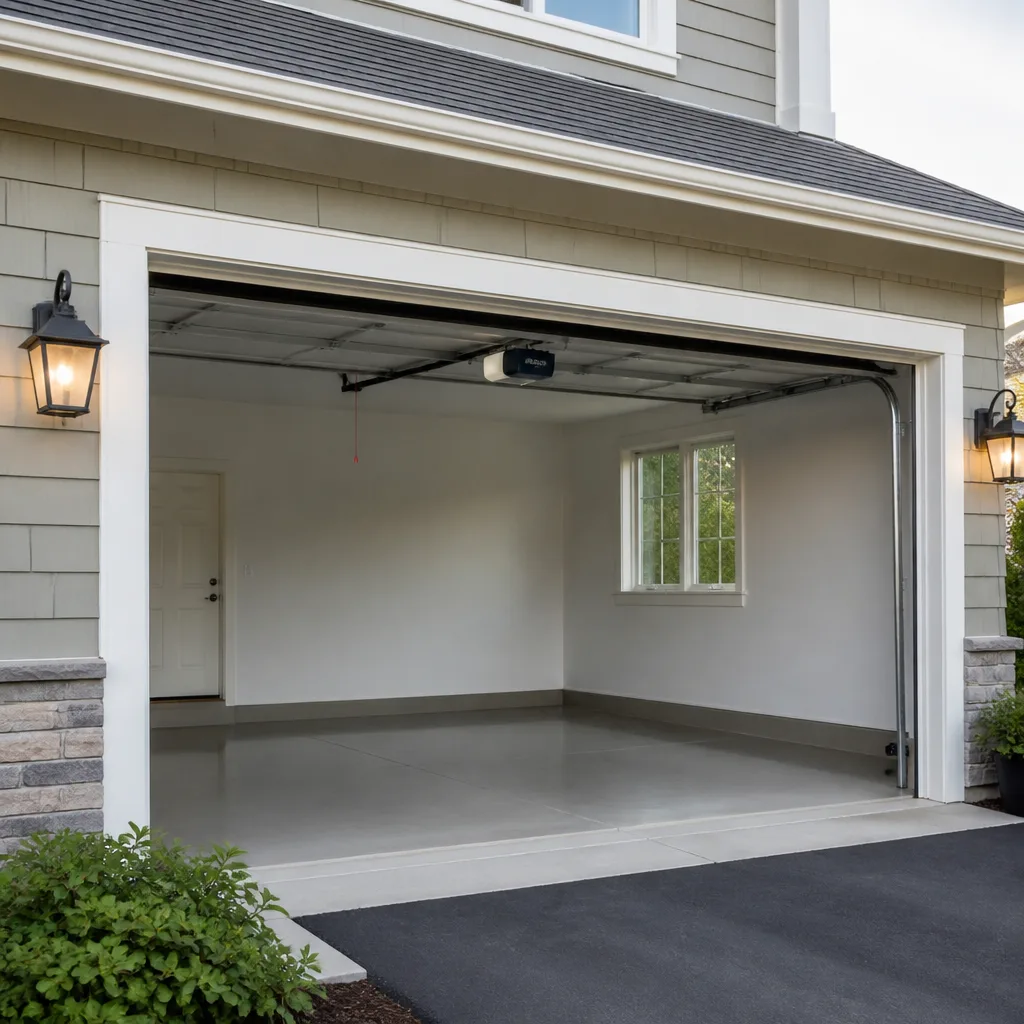 Chamberlain openers
Full 25-point door and opener safety check with every visit - springs, cables, rollers, tracks, and your LiftMaster or Chamberlain opener included
You get a price before we start. It does not change when the pro arrives.
Get your free estimateGarage Door Permits, Codes & Inspections in SeaTac, WA: What You Need to Know
Most homeowners assume garage door work is always permit-free. For a straight spring swap, that’s mostly true. But the moment you change the size of the opening, add an opener to a door that was manual, or touch the structural header above the door, you’ve stepped into permit territory. And SeaTac draws some of those lines differently than the neighboring King County cities people compare it to.
This guide walks through which garage door projects trigger a City of SeaTac permit, what inspectors actually check, how the permit-to-inspection timeline usually plays out, and where your HOA adds a second layer of approval on top of the city’s. If you’re planning a door replacement, an opener install, or a structural change in SeaTac, this is the reference to keep open.
Quick Answer
In SeaTac, WA, a like-for-like garage door replacement (same size, same opening, no structural change) and routine repairs like spring or opener fixes generally don’t require a permit. Structural changes to the opening – widening it, raising the header, or altering the wall around it – and adding a new electrical circuit for an opener do require permits through the City of SeaTac. When in doubt, call the city’s building department before you buy the door.
Styles & brands we work with
- Raised-panel steel
- Carriage house
- Modern flush
- Full-view glass
- LiftMaster openers
- Chamberlain openers
Table of Contents
- What Triggers a Garage Door Permit in SeaTac
- What Usually Doesn’t Require a Permit
- SeaTac vs. King County: Where the Lines Actually Are
- What Inspectors Look For on a Garage Door Installation
- The Permit-to-Inspection Timeline in SeaTac
- The HOA Overlay: When Your Neighborhood Has Its Own Rules
- Permits, Escrow and Resale Value in SeaTac
- Frequently Asked Questions
What Triggers a Garage Door Permit in SeaTac?
A garage door permit in SeaTac is usually triggered by one thing: structural or electrical change. Swapping a door of the same size into the same opening is a replacement. Changing the opening itself, or wiring something new, is construction – and construction needs a permit. That distinction is the whole game, and it’s where most homeowners get caught off guard.
Here’s the breakdown of which garage door projects typically require a City of SeaTac permit and which usually don’t:
- Requires a permit: Widening or heightening the garage door opening.
- Requires a permit: Modifying or replacing the structural header above the door.
- Requires a permit: Adding a new electrical circuit or outlet to power a previously manual door’s opener.
- Requires a permit: Converting part of the garage to living space, which changes the door’s role in the building envelope.
- Often doesn’t require a permit: Replacing a door of identical dimensions in the existing opening.
- Often doesn’t require a permit: Replacing an opener on a door that already has power.
- Often doesn’t require a permit: Spring, cable, roller, track and panel repairs.
Those are general patterns, not a substitute for the city’s word on your specific project. Codes shift, and what applied to your neighbor’s job last year may not apply to yours. Call the City of SeaTac building department with your address and a one-line description of the work before you order anything. It’s the fastest five minutes you’ll spend on the project.
The other thing to understand is that “replacement” and “new construction” get read differently by plan reviewers. If the work touches what holds the house up – the header, the framing around the opening, the wall itself – it’s treated as structural, even if it feels cosmetic to you. That’s the line SeaTac inspectors care about most.
What Usually Doesn’t Require a Permit
Routine garage door repair almost never needs a permit. A broken spring, a frayed cable, a bent track, a failed opener, a cracked bottom panel – those are maintenance and repair, and cities don’t issue permits for maintenance. If your door rolls up and down and just isn’t working right, you’re in repair territory.
That said, “usually doesn’t require a permit” isn’t the same as “always doesn’t.” A few things shift the answer:
- Full door replacement with a different size. If the new door’s dimensions differ from the old opening, you’ve changed the opening, and that’s a structural question.
- Like-for-like replacement with a heavier door. A steel door is heavier than the wood one it replaces. The tracks, springs and header carry that load. In most cases this is still a replacement, but a heavier door occasionally prompts inspectors to ask about the header – worth a call to the city if you’re going from light to heavy.
- Adding an opener where there wasn’t one. If the door was manual and there’s no outlet or circuit at the opener location, the electrical work needs a permit.
- Any change to the wall or framing. If a saw goes into the wall, the answer is almost always yes.
Here’s where the permit question meets the on-site reality: the technician diagnosing the problem is often the first person to spot that the job is actually bigger than a repair. Doors from Amarr and Wayne Dalton that were sized for one opening don’t always fit another, and a sagging header shows up as a door that drags at the top. We’d rather flag it before we start than after. You can read about our repair process on the garage door repair page, and if the issue is the motor rather than the door, our garage door opener repair page covers what that job usually involves.
SeaTac vs. King County: Where the Lines Actually Are
This trips up a lot of SeaTac homeowners. The city is an incorporated municipality inside King County, which means it has its own building department and its own permit process. For most garage door work in SeaTac proper, you’re working with the City of SeaTac, not King County directly. King County’s role is more about the broader code framework that local jurisdictions build from.
Where this gets confusing is on the edges. SeaTac sits between Burien, Tukwila and Des Moines, and the rules don’t match perfectly from one city line to the next. A homeowner on one side of a street may call one building department, and their neighbor across the street calls another. That’s why asking around the neighborhood isn’t a reliable guide – the person who “didn’t need a permit” might technically be in Tukwila.
A practical sequence when you’re not sure which jurisdiction you’re in:
- Look up your address on the county’s parcel or zoning map to confirm your city.
- Call that city’s building department – for SeaTac, that’s the City of SeaTac.
- Describe the work in plain terms: “I’m replacing a 16-foot door with a 16-foot door” or “I want to widen the opening by a foot.”
- Ask whether a permit is required and what the submittal package includes.
- Get the answer in writing if you can – an email confirmation is gold at resale.
For structural changes, plan review is usually handled at the local level. If you’re also modifying the home’s living envelope – say, converting part of the garage – the review may pull in energy code considerations that go beyond the door itself. We’ve seen that catch property managers off guard on multi-unit projects. The practical move is to ask the building department one direct question: “Does this project involve plan review or over-the-counter review?” Those are two very different timelines.
Property managers with multiple SeaTac units should keep a simple log: address, jurisdiction, permit status, and the date the city confirmed. When you’re managing a handful of units across city lines, that log saves you from re-asking the same question every year. If you’re scheduling door work across several units, it helps to have one point of contact who already knows the brands in the buildings – which is why we work on LiftMaster, Chamberlain, Genie and Craftsman systems alongside the door hardware itself.
What Inspectors Look For on a Garage Door Installation
A garage door installation inspection in SeaTac comes down to three things: whether the door is safe to operate, whether the structural changes are sound, and whether the garage’s fire separation is still intact. Inspectors are checking the building, not grading the installer.
Here’s what they typically look at, in the order they usually work through it:
- Header load and framing. If the opening was modified, the inspector checks the header’s size, span and attachments against the approved plans. Nail schedules and hangers matter here.
- Opener safety reverse. The door must reverse when the mechanism meets an obstruction, and modern openers have both a mechanical and a photoelectric test. This is a life-safety check and inspectors test it directly.
- Fire-rated wall compliance. The wall between the garage and the house is a fire separation. Openings, doors and any penetrations from the opener wiring must preserve that rating. A surprising number of retrofits fail here because someone cut a hole without sealing it.
- Electrical work. If a new opener circuit was added, the inspector checks that it’s properly installed and that the outlet is in the right place.
- Panel and track securement. Loose hinges, unpinned bottom brackets, or track brackets that weren’t reset after a size change all get flagged.
The piece homeowners underestimate most is the safety reverse. An opener that “works” can still fail its safety reverse test, and that’s the number one reason an inspection falls short and a return visit gets scheduled. If we install or tune up an opener in SeaTac, we test both safety systems on every visit before we leave, not just when an inspection is coming. It’s cheap to get right and expensive to get caught on.
The spring system deserves a special mention here. Torsion and extension springs hold the full weight of the door, and both manufacturers and safety organizations warn against DIY work on them – the stored energy in a wound torsion spring can cause serious injury if it releases unexpectedly. Inspectors aren’t testing your ability to do spring work, but if the door won’t balance or the springs look wrong, that’s a clue the job needs a trained tech. If you’re replacing a spring as part of the project, our garage door spring repair page explains what that service covers.
The Permit-to-Inspection Timeline in SeaTac
Garage door projects in SeaTac usually fall into two timelines: a simple replacement that may not need a permit at all (a few days to book, an afternoon to install), and a permitted structural or electrical job that runs through plan review, installation and inspection. The second one takes planning, and the sequence matters more than any single date.
Here’s how we’d sequence a permitted project in SeaTac:
- Confirm the permit requirement. Call the City of SeaTac before you buy anything. Confirm whether it’s plan review or over-the-counter.
- Submit the application. Include scaled drawings if the opening is changing, plus the door manufacturer’s specs. Amarr and Raynor both publish those specs, and having them at hand avoids a request-for-information cycle.
- Wait for approval. Turnaround varies by workload and by whether plan review is involved. Don’t schedule the installer until you have the permit in hand.
- Schedule the install around the permit. A garage door replacement is usually a one-day job once the door is on site, but the door has to be ordered after the permit clears if dimensions changed.
- Book the inspection. The inspector needs to see the work in its installed state – not behind finished drywall or a painted wall. Schedule the inspection before you close anything up.
- Keep the paperwork. Store the final inspection card with your home records. It’s the single most useful document when you sell.
The mistake we see most often is the door being ordered before the permit is approved. If the inspector wants a change, you’re stuck with a door that doesn’t fit the approved opening. Ordering after approval costs you a week; ordering before can cost you a door.
For simple replacements that don’t need a permit, the sequence is far shorter: measure, order, install, and you’re done. We measure on site so the door that arrives is the door that fits – no guessing from photos or model numbers. When a job needs a newly programmed opener or a change in wall controls, we handle the setup on install day so the only thing the inspector might check is whether the fire wall was left intact. If you want a written quote before you commit to a timeline, call us and we’ll come measure and quote in the same visit.
The HOA Overlay: When Your Neighborhood Has Its Own Rules
City permits aren’t the only approval layer in SeaTac. Many of SeaTac’s residential communities – particularly the planned developments and townhome clusters – are governed by HOAs or CC&Rs (covenants, conditions and restrictions). Those rules can be stricter than the city’s, and they run in parallel, not in sequence.
What HOAs typically restrict on a garage door project:
- Color and finish. An approved color palette is the most common restriction, and it usually has specific manufacturer colors tied to it.
- Panel style and window configuration. “Raised panel only” or “no windows” is a common rule.
- Material. Some communities restrict steel versus wood, or prohibit certain finishes.
- Visible hardware. Decorative hinges and handles sometimes need approval.
- Door size. If your home is a townhome with a shared wall, HOA rules may also touch on structural changes that affect the shared envelope.
The key difference between the two layers: the city cares about safety and structure. The HOA cares about appearance and neighborhood consistency. You need to satisfy both. A permit doesn’t override an architectural committee, and an architectural committee approval doesn’t override a permit requirement.
We ask every homeowner in a SeaTac HOA community whether their color and style are pre-approved before we place an order. Raynor and Wayne Dalton both have broad color lines, but not every community allows every finish, and swapping a door after install is a lot more expensive than picking the right one the first time. Send your HOA’s guidelines to your technician before measure day and the whole thing goes smoother. If your door is failing while you’re still sorting out approvals, an emergency call can get you a safe, secure door in place – HOA compliance can follow.
Permits, Escrow and Resale Value in SeaTac
Unpermitted structural work is one of the most reliable ways to stall a home sale in SeaTac. Buyers’ inspectors flag work that looks new without a paper trail, and once the question is raised, the seller is on the hook to prove the work was done correctly or to do it over. The permit cost is trivial next to the escrow delay.
What actually matters at resale:
- The permit record. A finaled permit with an inspection card is the strongest evidence you can hand a buyer. Without it, the work has no paper trail.
- Door specifications. The door’s size, model and manufacturer specs document what’s installed and that it matches the approved opening.
- Opener documentation. Modern openers with safety reverse documented are a small but useful credibility marker in an inspection report.
- HOA approval records. If your community required architectural approval, keep the approval letter with your property file.
The good news is that garage door replacement has long been one of the most reliably high-return improvements a homeowner can make, and buyers understand the value of a working, well-fitted door. The permit question is about protecting that return, not undermining it.
If you’re selling and not sure whether previous door work was permitted, the fastest start is a call to the City of SeaTac with your address – they can tell you what’s on record. If the record is thin, we can inspect the installed door and tell you what we see without guessing. That’s how SeaTac Garage Door Repair Pros works on any job: diagnose before we quote.
Common Mistakes to Avoid
- Skipping the permit because “everybody does it.” Two neighbors without permits doesn’t make the work compliant. If your project touches structure or electrical, get the city’s answer in writing first.
- Ordering the door before the permit clears. If the inspector wants a different opening, you’re stuck. Order after approval and you lose a week, not a door.
- Forgetting the HOA layer. City permit approved, HOA color rejected. Two separate approvals – get both before the truck shows up.
- Assuming SeaTac rules match Burien or Tukwila. Each city has its own building department, and the lines between them run through neighborhoods. Confirm your jurisdiction before you ask questions.
- Closing up walls before the inspection. The inspector needs to see the framing, the wiring and the fire wall in place. Drywall goes on after the final.
- Ignoring the safety reverse test. It’s the top reason inspections fail, and it’s a five-minute fix that protects your family. Test it every few months, not just before your inspection.
- Not keeping the paperwork. Save the permit, inspection card, door specs and HOA approval in one folder. At resale, that folder is worth more than a sticker-perfect garage floor.
If a permitted project is on your calendar and you’re tired of juggling approvals, the service team can help line up the door, the opener and the inspection sequence so the pieces match.
See the difference
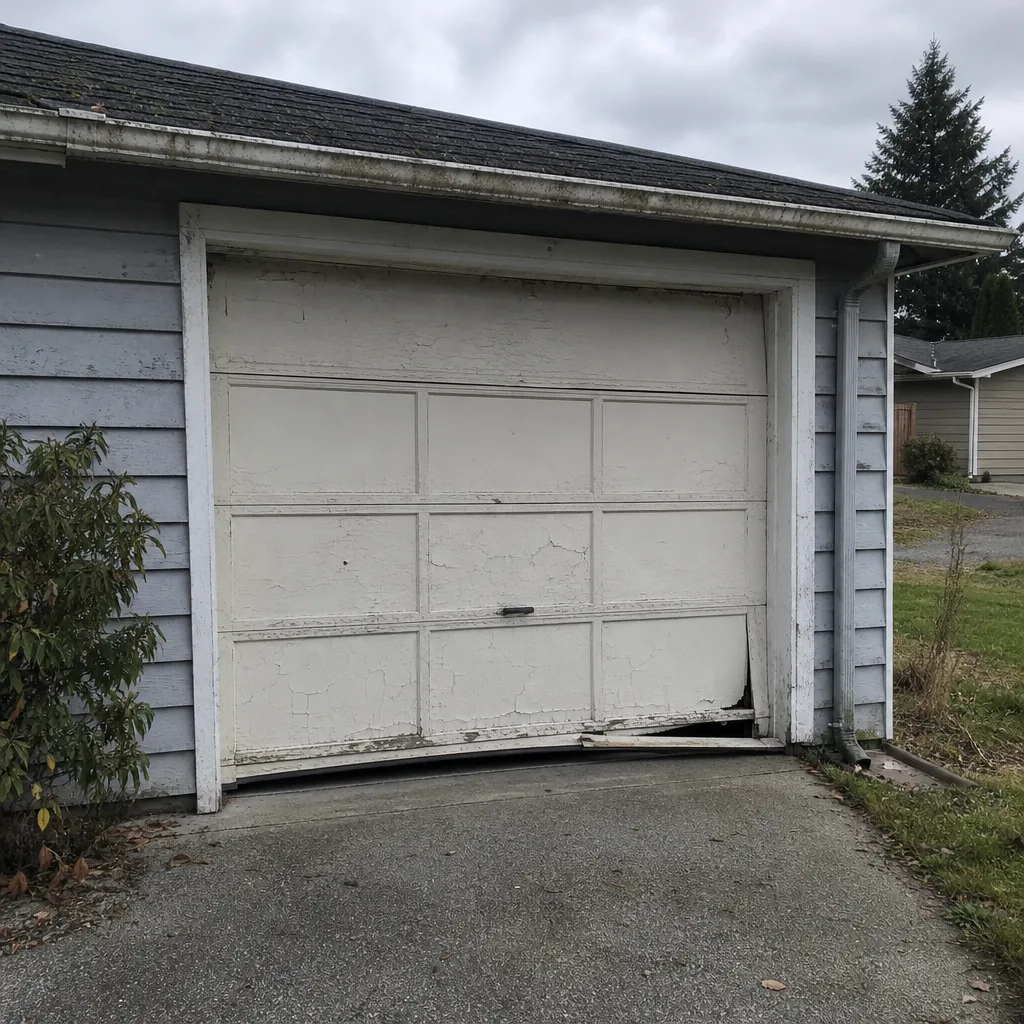 Before
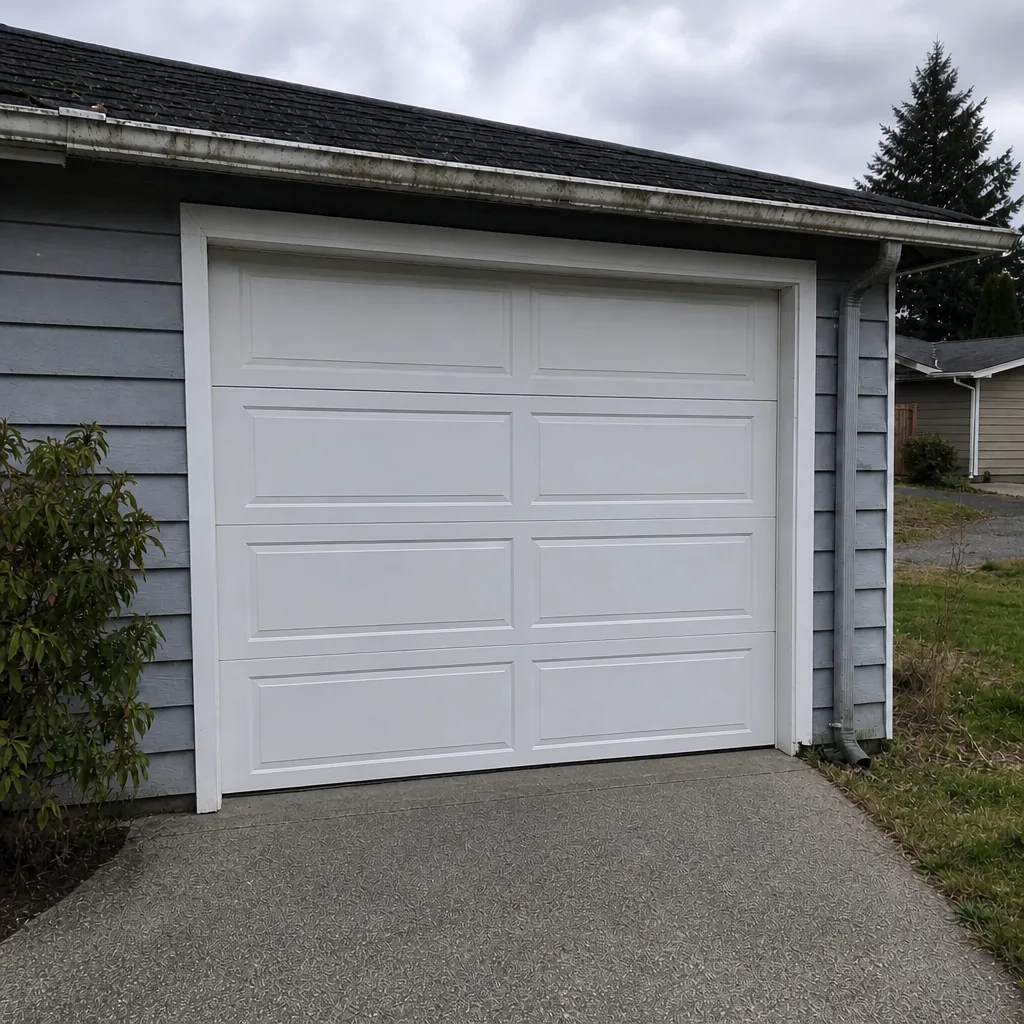 After
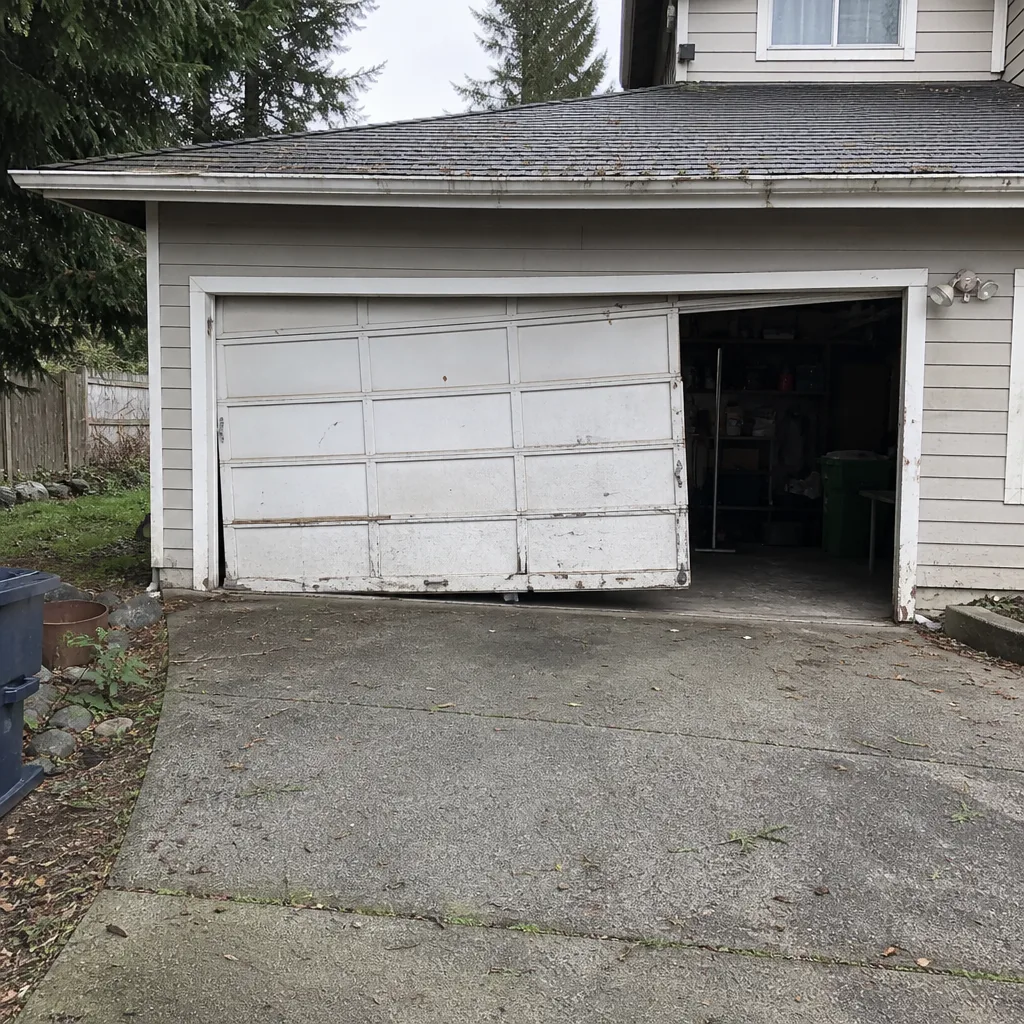 Before
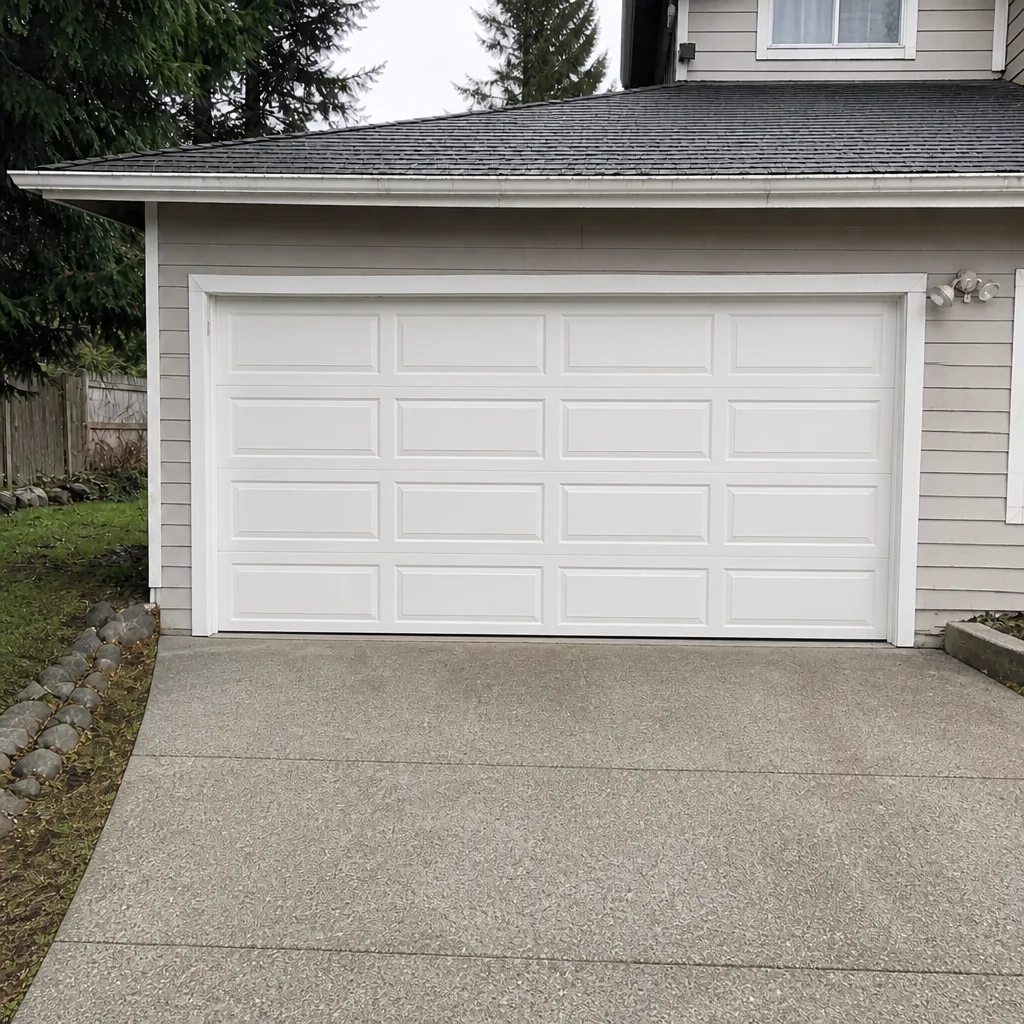 After
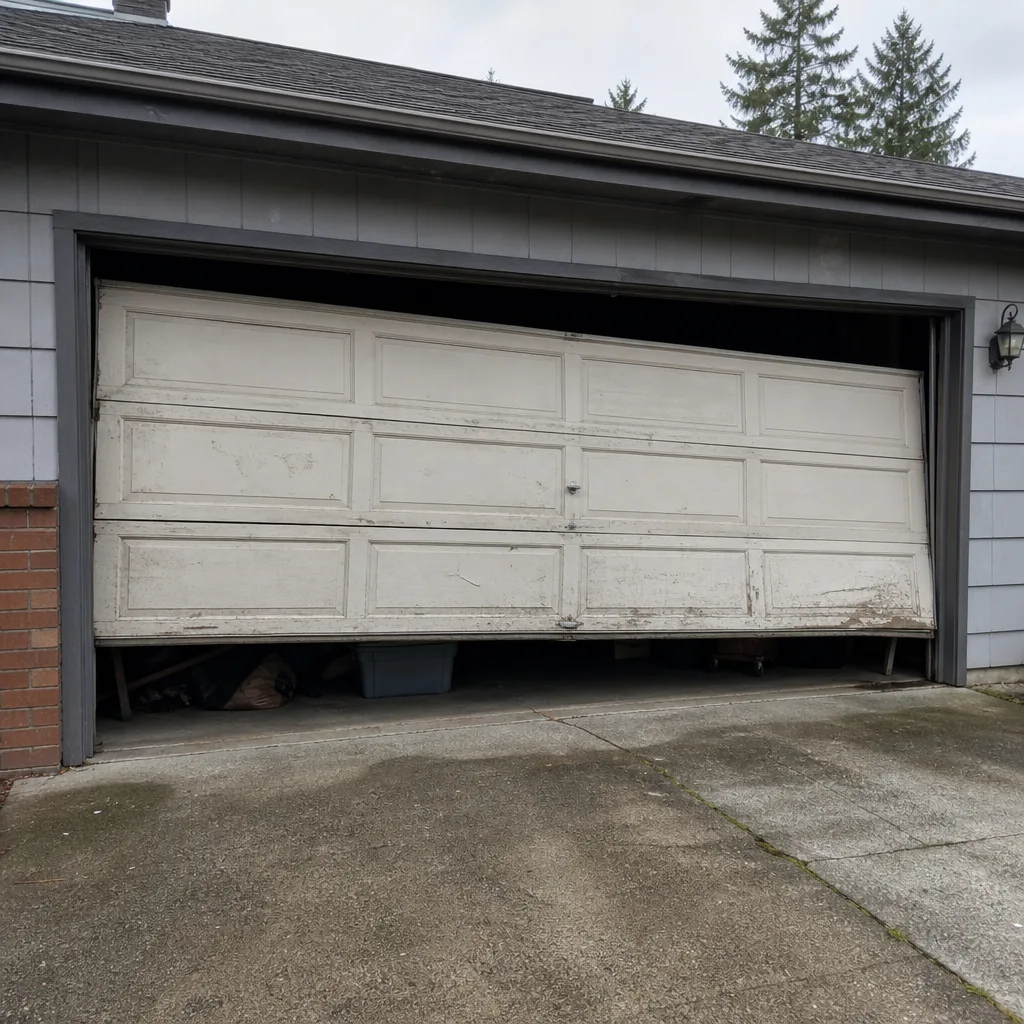 Before
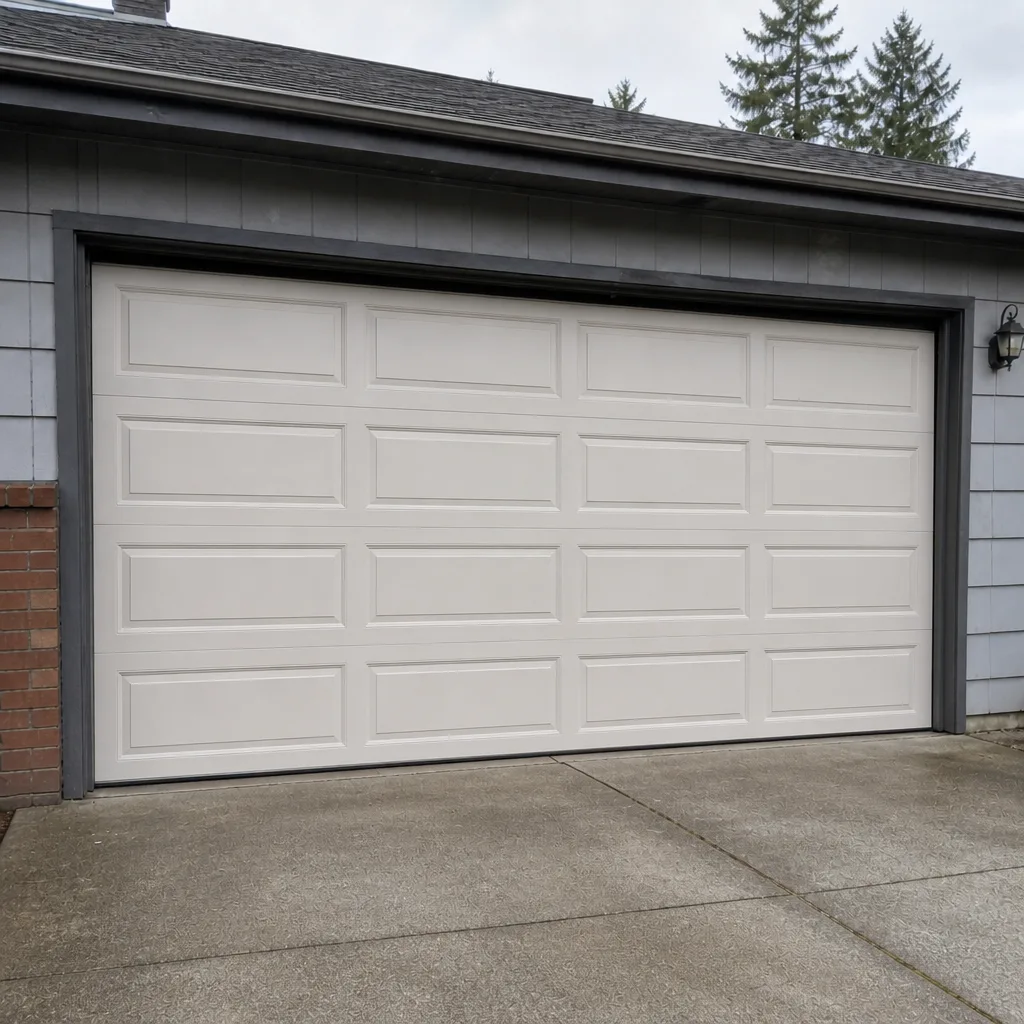 After
When to Call a Professional
Call a professional before you call the city if you’re not sure whether the job needs a permit. A trained technician can tell you in a five-minute walkthrough whether the opening is changing, whether the header is involved, whether the door is heavier than the one it replaces, and whether you have an opening at the HOA level. That’s the conversation the building department wishes every homeowner had before they called – it makes the permit question quick. When a spring has snapped or a door has come off its track, a professional call is even more urgent: those springs hold the full door weight, and high-tension spring work is one of the most dangerous DIY jobs you can take on. It deserves proper tools and a trained technician, full stop. SeaTac Garage Door Repair Pros offers free estimates in SeaTac – call (866) 566-1405. Our technicians have up to 8 years of experience, we work on LiftMaster, Chamberlain, Genie, Clopay, Amarr, Wayne Dalton, Craftsman and Raynor systems, and the written quote is what you pay. No surprises.
Frequently Asked Questions
Usually not, if you’re replacing a door of the same dimensions in the same opening with no structural or electrical change. A like-for-like replacement is treated as maintenance. If the opening changes, the header is modified, or a new opener circuit is added, you need a City of SeaTac permit. Call the building department with your address and a one-line description before you order – it’s free and it settles the question.
It depends on whether a new circuit or outlet is needed. Replacing the opener on a door that already has power at the opener location usually doesn’t require a permit. Adding an opener to a manual door that has no outlet or circuit does require a permit for the electrical work. If you’re unsure, ask the city whether your project needs electrical review, and they’ll tell you what the submittal requires.
Inspectors focus on header load and framing if the opening was modified, the opener’s safety reverse systems, fire separation between the garage and the house, electrical installation if new wiring was added, and whether the panels, tracks and brackets are properly secured. The safety reverse test fails more often than anything else, so make sure it’s working before you book the inspection.
Yes. City permits and HOA approvals are separate. The city handles structure, safety and code; your HOA or CC&R handles appearance, color, style and material. A city permit doesn’t grant HOA approval, and HOA approval doesn’t grant a city permit. Get both before you order the door, so you’re not stuck with a door in the wrong color.
It varies with the project. A simple replacement is often a single-day install once the door is on site. A permitted structural or electrical project adds time for application, review and inspection on top of the install. The safe sequence is: confirm the permit, submit, wait for approval, order the door, install, then book the inspection before closing up walls. Ordering after approval keeps the timeline predictable; ordering before can cost a door.
Call the City of SeaTac building department for permit questions about your specific address and project. Call a professional for spring, opener or door repair. High-tension spring work stores enough energy to cause serious injury if it releases unexpectedly, and it’s not a weekend DIY job. Call (866) 566-1405 for an exact quote – estimates are free, and the price is agreed before any work starts.
The Bottom Line
Permit rules for garage door work in SeaTac mostly come down to one question: are you changing the opening, the structure, or the electrical supply? If yes, get a City of SeaTac permit before the door is ordered, and make sure your HOA is in the loop too. If no, it’s routine repair, and the priority shifts to getting a trained technician on the job – especially for spring work. Keep your paperwork, sequence the permit, install, inspection in that order, and you’ll avoid the most common and expensive mistakes. When you’re ready for a written quote on a repair, replacement or new opener in SeaTac, call SeaTac Garage Door Repair Pros at (866) 566-1405.
Written by the team at SeaTac Garage Door Repair Pros.