Last updated November 23, 2026
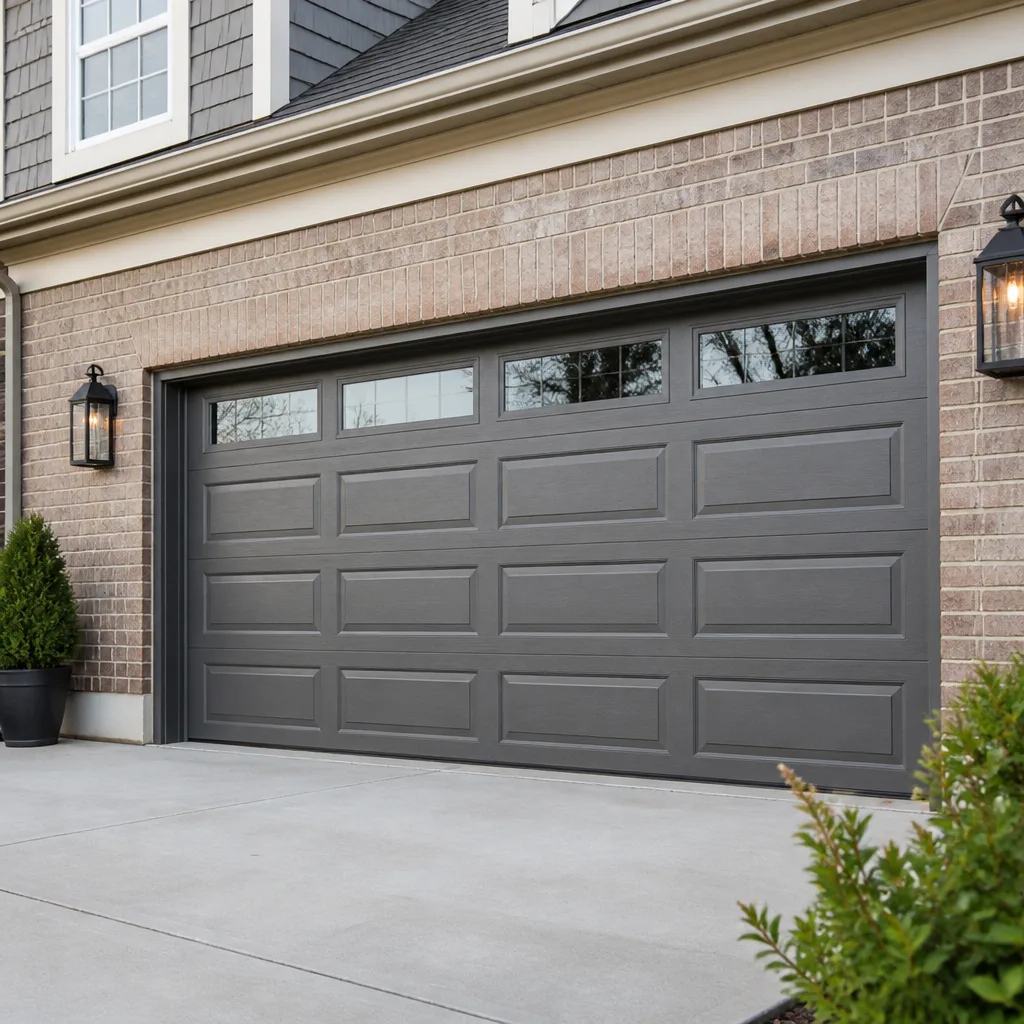 Raised-panel steel
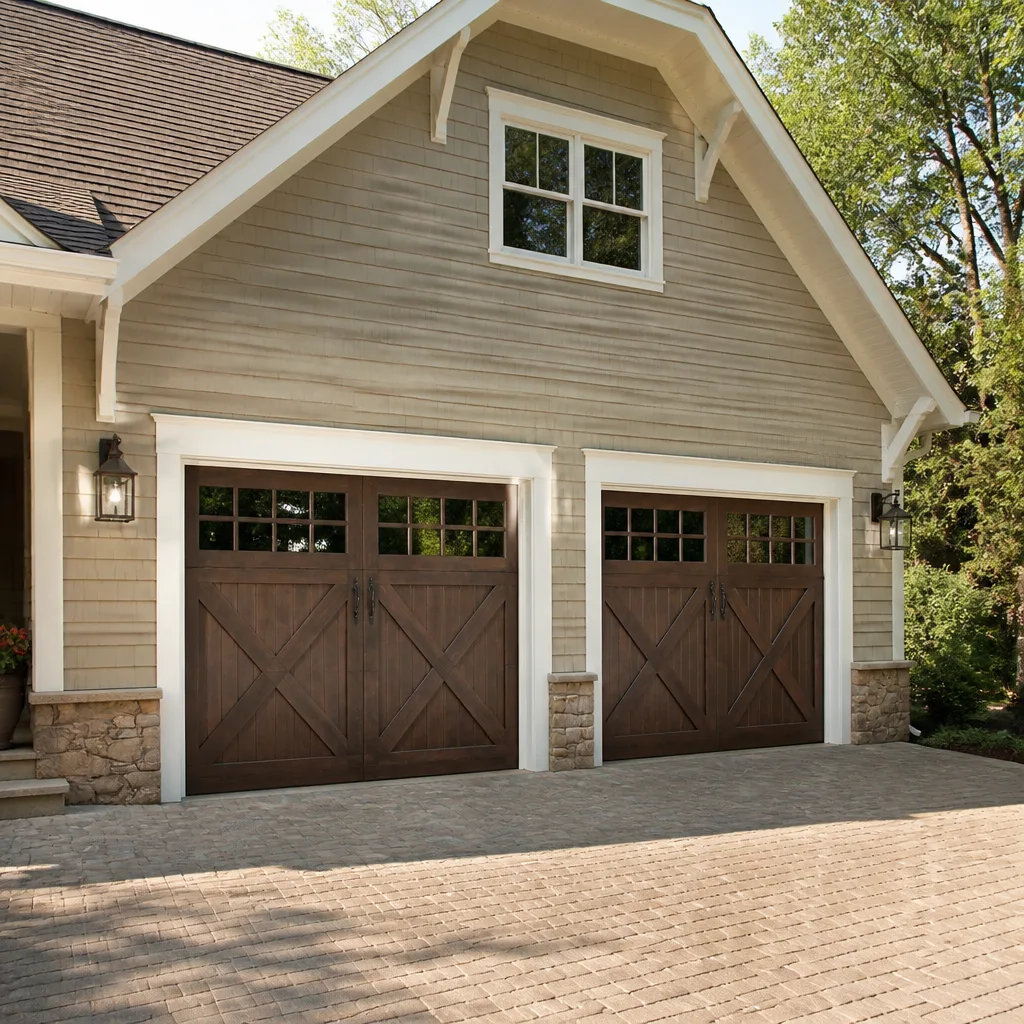 Carriage house
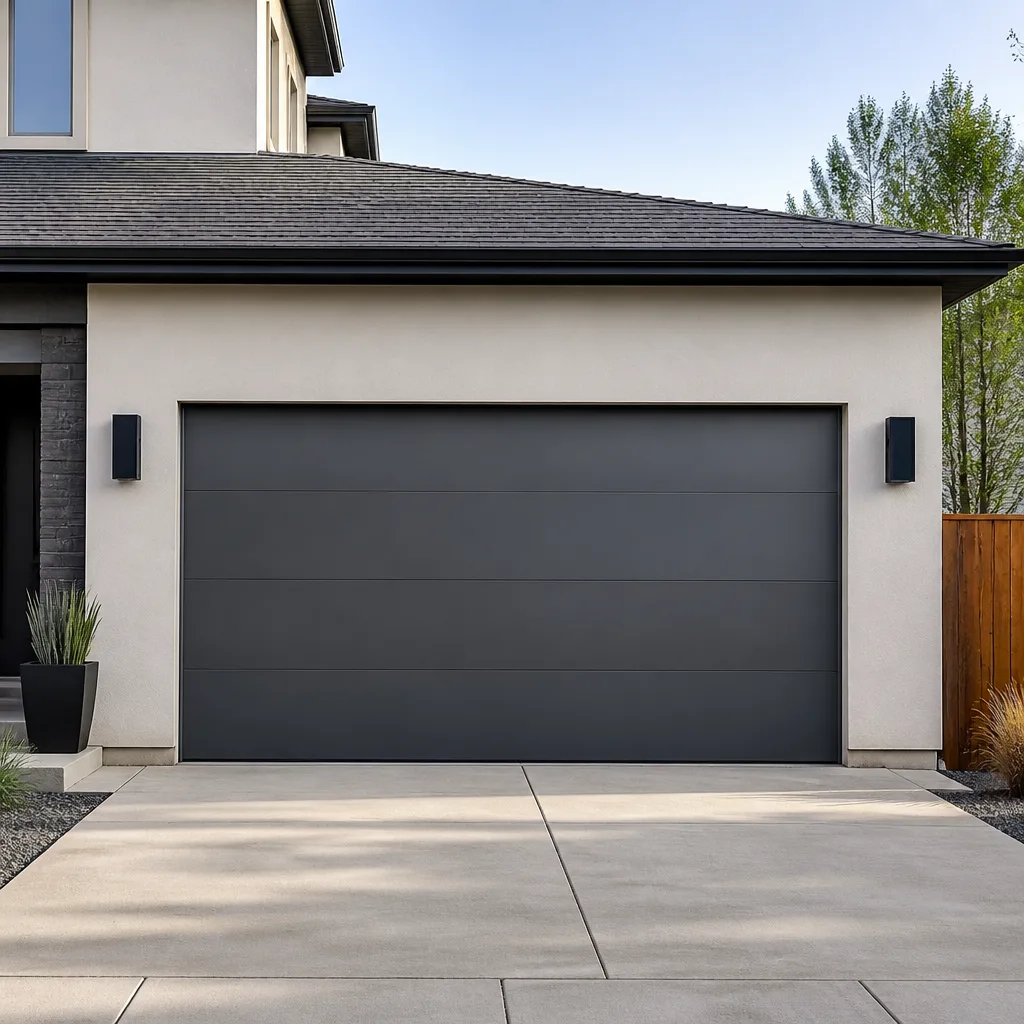 Modern flush
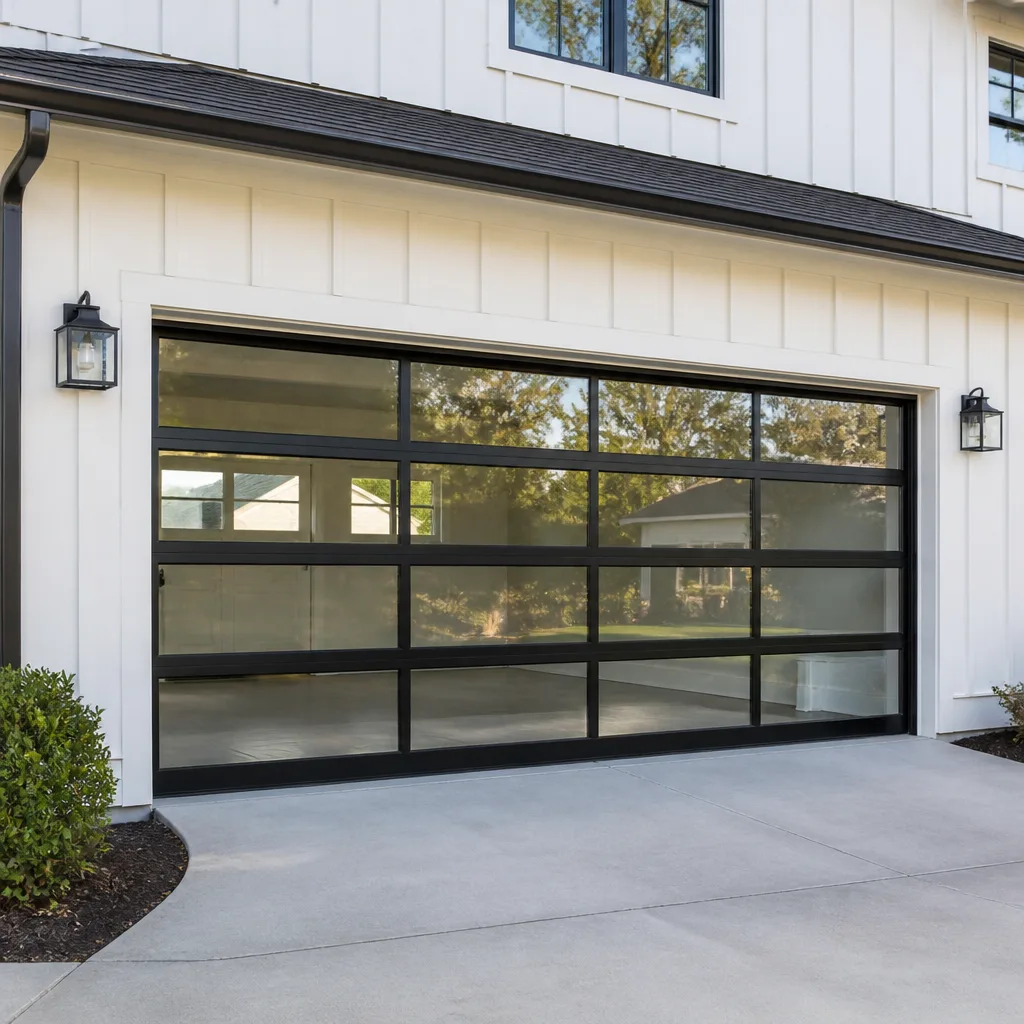 Full-view glass
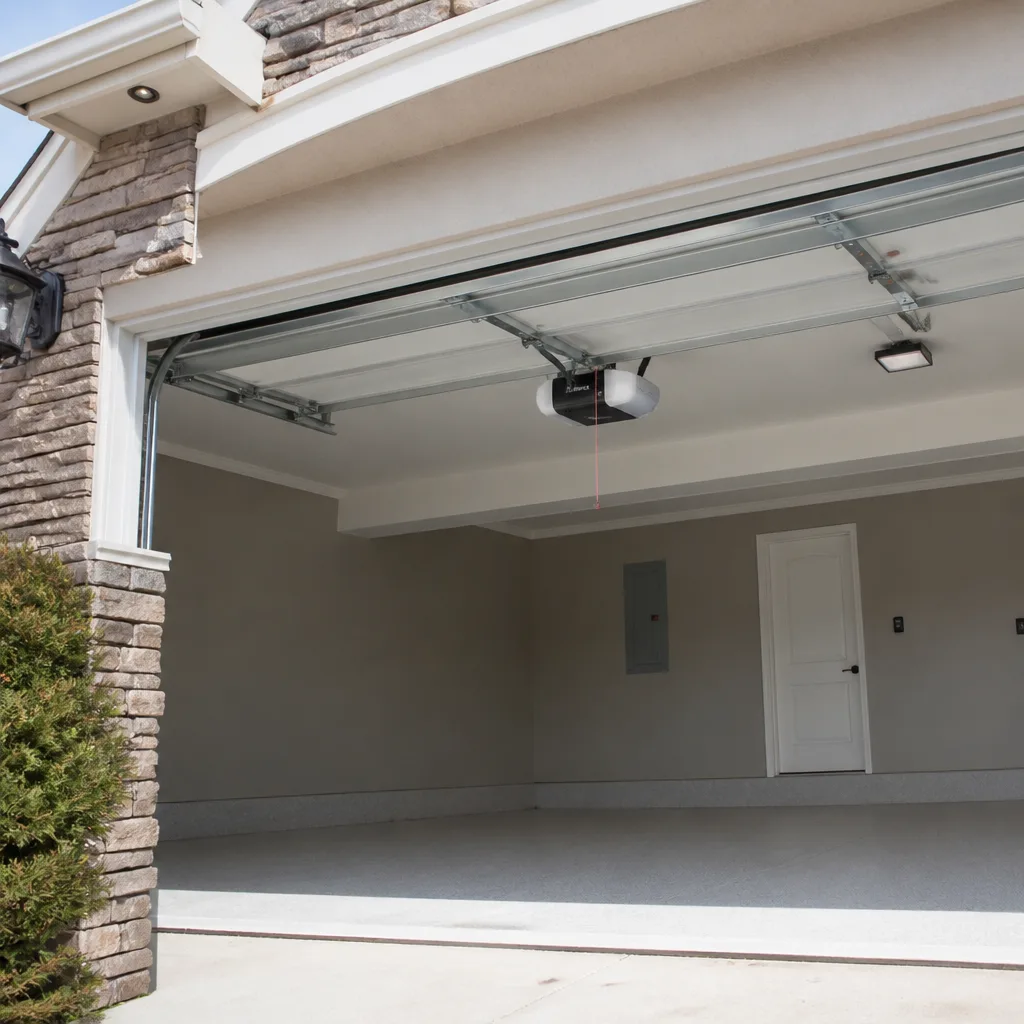 LiftMaster openers
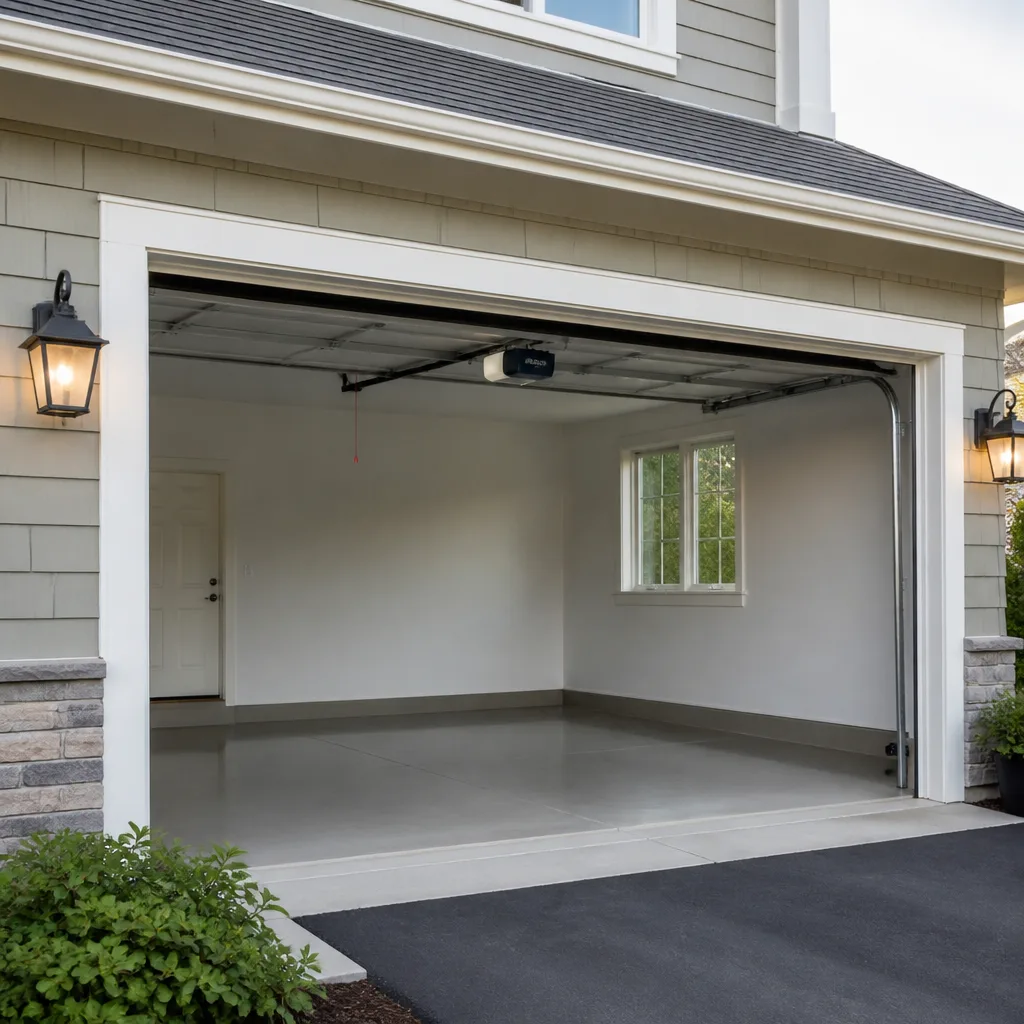 Chamberlain openers
Full 25-point door and opener safety check with every visit - springs, cables, rollers, tracks, and your LiftMaster or Chamberlain opener included
You get a price before we start. It does not change when the pro arrives.
Get your free estimateGarage Door Emergency Preparedness Guide for SeaTac Homes
Most garage door advice assumes one kind of bad day. In SeaTac, the bad days come from opposite ends of the thermometer. A heat wave can push an opener into thermal lockout while your car sits trapped inside a closed garage. A winter ice event can weld the bottom seal to the concrete, and the first person who hits the button out of habit can do real damage to the springs before they realize what’s happening. The misconception worth correcting up front: a garage door emergency is rarely about the door itself. It’s about losing access, losing security, or creating a hazard in the five minutes after something fails. What follows is a practical plan for both extremes – how to release a door safely, how to free one frozen to the ground, how to secure a door after a spring snaps, and how to vet the help you call. We’ll keep it specific to SeaTac throughout.
Quick Answer
Garage door emergencies in SeaTac usually fall into three buckets: opener lockouts from heat or power loss, springs that fail under cold-weather strain, and doors frozen to the floor after an ice event. The safest response in every case is the same first move – stop cycling the door, secure it, and call a trained technician rather than forcing it. Never attempt to adjust, cut, or remove a torsion spring yourself; those components store enough energy to cause serious injury.
Styles & brands we work with
- Raised-panel steel
- Carriage house
- Modern flush
- Full-view glass
- LiftMaster openers
- Chamberlain openers
Table of Contents
- Why SeaTac Weather Creates Garage Door Emergencies at Both Extremes
- How to Use the Manual Release During a Power Outage
- Frozen Door Protocol: Freeing a Door Sealed to the Ground
- What to Do If a Spring Snaps at Night
- Pre-Storm Prep Checklist for SeaTac Homes
- How to Vet an Emergency Garage Door Service at Midnight
- Notes for Property Managers and Landlords
- Brand Matters Less Than the Technician Behind It
Why SeaTac Weather Creates Garage Door Emergencies at Both Extremes
SeaTac sits in a pocket of the Puget Sound lowlands where the weather swings harder than a lot of homeowners expect. Summer heat events push garage interiors well above the outdoor temperature, and winter ice events drop enough freezing rain on driveways to seal a door shut overnight. Both extremes stress the same mechanical parts in different ways, which is why preparedness here isn’t a single checklist – it’s two.
Heat does its damage slowly and then all at once. An opener’s motor and control board generate their own heat during a cycle, and when the ambient air in the garage is already hot, the unit can trip its internal thermal protection and simply stop responding. That’s not a failure – it’s the opener protecting itself – but it feels like one when your car is on the wrong side of the door. Meanwhile, heat expands the door panels and can make them bind in the tracks, which adds load to an opener that’s already working hard.
Cold works faster. Freezing rain and overnight temperature drops can fuse the bottom rubber seal to the concrete slab. Torsion springs lose some of their tension in cold weather, and when a door sticks and the operator keeps pushing, the spring takes the extra load. That’s when a spring that was near the end of its life gives out. We hear about more spring failures after a cold snap than at any other time of year, and it’s rarely a coincidence.
SeaTac’s housing stock adds to the picture. Many homes here have attached garages that share a wall with living space, so a door that’s stuck open overnight isn’t just an access problem – it’s a security and comfort problem for the whole house. Whether you’re near Angle Lake, along the International Boulevard corridor, or up toward McMicken Heights, that shared-wall layout means a garage door emergency is a household emergency.
If you’re dealing with a door that’s already failed, garage door repair starts with a diagnosis, not a parts swap. Knowing what caused the failure is how you avoid repeating it next season.
How to Use the Manual Release During a Power Outage
Every residential garage door opener with an automatic trolley has a manual release cord, and in a power outage it’s the only way to get your car out without calling anyone. The release disengages the trolley from the door so you can lift it by hand. The catch is that the procedure isn’t identical across brands, and doing it wrong under stress can leave the door stuck or send it slamming down.
Here’s the general sequence for most LiftMaster, Chamberlain, Genie, and Craftsman openers with a standard trolley:
- Disconnect the power at the wall so the opener doesn’t suddenly re-engage mid-lift.
- Find the release cord hanging from the trolley on the rail. It’s usually red or has a red handle.
- Check what’s under the door before you pull anything. Nothing and no one should be in the door’s path.
- Pull straight down and toward the door (away from the motor) in a firm motion, keeping the cord roughly at a 45-degree angle. For most trolleys, this disengages the carriage.
- Lift the door slowly by hand, holding the bottom section for control, and prop it before letting go.
- Re-engage the trolley once power is back by cycling the door with the wall button, then confirm the carriage reconnects before trusting the opener again.
A few openers use a different release – some Genie models, for example, have a slide-style lock or a locking mechanism on the rail rather than a straight pull cord. And a chain-drive opener that’s mid-cycle when power cuts can leave the trolley in an awkward position, so you may need to pull the cord in a slightly different direction. If you’ve pulled the cord and the door still won’t lift, don’t keep yanking. Something else is holding it – a lock engaged, a broken spring carrying no counterbalance, or a trolley jammed at an end of its travel.
That last point is a safety issue. If the door feels unusually heavy when you lift it by hand, the spring may already be compromised, and a manual release on a door with a broken spring is the setup for getting crushed. Stop and call for help. Our technicians have up to 8 years of experience with these disengagement sequences across brands, and we can walk through a safe plan over the phone.
One more thing: never use the manual release on a door while someone is standing under it, and never prop it with anything that can shift. If the door is heavier than you expected, that’s the signal to stop.
Frozen Door Protocol: Freeing a Door Sealed to the Ground
When SeaTac gets freezing rain or a hard overnight freeze, the problem isn’t the mechanism – it’s the bottom seal bonded to the concrete. Your instinct is to hit the button. Don’t. A frozen door that gets forced by the opener pulls the bottom section up while the seal stays stuck, peeling and cracking the seal, adding load to the springs, and potentially cracking a panel. In the worst case, the opener strips gears trying to lift something that can’t move.
Here’s the right order of operations:
- Stop cycling the door. Once you feel resistance or see the door strain without moving, let go.
- Inspect the seal line. Look for a visible bond between the rubber seal and the slab, especially along the outside edge where water pools.
- Break the bond with warm air or a gentle pry. A hair dryer directed at the seal for several minutes usually does it, or a plastic scraper slid gently under the bottom rubber. Never use a metal tool, never pour hot water on the door, and never use a torch.
- Lift by hand first. Once you’ve freed the seal, disengage the manual release and lift the door by hand an inch to confirm it moves freely.
- Then cycle with the opener. Test the opener’s travel and watch for binding in the tracks before you drive inside.
- Clear the driveway of ice and standing water near the threshold so the problem doesn’t repeat overnight.
If the door still won’t lift after you’ve freed the seal, the problem may not be ice at all. A weak spring, a bound track, or a misaligned roller can all feel like a frozen door. That’s the point to stop and call. Our team handles garage door spring repair across the brands we service, and if the spring is the culprit, we can diagnose it quickly rather than have you guessing.
If the seal itself is damaged – torn, split, or permanently flattened – it’ll let water and cold air back in and set you up for the same call next winter. Seal replacement is straightforward and worth doing in the same visit.
What to Do If a Spring Snaps at Night
A broken spring is the one garage door emergency that’s genuinely dangerous, especially at night when you can’t see what’s happened. You’ll know it by the sound – a sharp crack from the garage often followed by the door dropping partially or landing fully open. The door will suddenly weigh far more than usual because the spring that balanced it is gone. Do not try to lift it. Do not try to operate the opener, and do not attempt a repair. Torsion and extension springs store enough energy to cause serious injury even to someone who knows what they’re doing, which is why manufacturers and safety organizations warn against DIY replacement.
Here’s how to secure the door and protect the house until help arrives:
- Leave the door where it is if it’s fully closed. Trying to cycle it will bend panels and strain the opener.
- If the door is partially open, prop it securely with something rigid and stable. Do not use a person to hold it and do not trust the opener to hold it.
- Disconnect the manual release only if you can do it safely with someone helping. If the door is hanging open on a broken spring, the release can let it crash.
- Secure the opening from the outside. A car parked close, a temporary bar across the frame, or a lock in the track slot will keep the door from being opened from outside.
- Call a technician and describe exactly what happened – do not attempt to make your own repair first.
- Keep people and pets out of the garage until the door is stabilized.
A broken spring isn’t a “call in the morning” situation on a shared-wall garage in SeaTac. If the door is up, your home is open. A trained technician can stabilize the door, replace the spring pair, and reset the opener’s travel so the door runs true again.
For any door that won’t respond or won’t lift safely, garage door repair from a trained technician is the right call. It isn’t a job to take on yourself.
Pre-Storm Prep Checklist for SeaTac Homes
Most garage door emergencies we see after a Puget Sound windstorm or ice event were preventable. Prep takes about 20 minutes and covers the handful of things that fail most often when the weather turns.
Before a windstorm:
- Clear the driveway and the garage apron of anything that can blow inside (bins, cushions, loose tools) so the door isn’t trying to close on debris.
- Check that the door’s safety sensors at the bottom corners are clean and aligned – wind-blown leaves and debris regularly break the beam and strand a door mid-travel.
- Test the manual release in a calm moment so you know how yours works.
- Confirm the battery backup on your opener is working if it has one, and charge a portable power bank for phone calls during an outage.
- Look at the spring condition. Slight gaps in a torsion spring, or a lengthening extension spring, mean it’s on the way out.
Before an ice event:
- Clear standing water from the driveway before the freeze so it doesn’t sheet the apron in ice.
- Wipe the bottom seal dry and check for tears – a wet, frozen seal is the one that bonds.
- Don’t leave the door cracked open overnight “for ventilation.” It’s the most common way a door ends up frozen to the ground and stuck open.
- Check the weatherstripping at the sides. A torn strip lets freezing water into the frame and can freeze the door in place at the top of the track.
During a heat event:
- Open the garage interior door briefly to move air, and check that the venting (if you have it) isn’t blocked.
- If your opener stops responding on a hot day, wait 15-20 minutes and try once. Thermal protection resets on its own; repeated attempts just cycle the protection off and on.
- Look at the door panels for bowing or binding in the tracks – heat expansion is the usual cause.
If you’re running a multi-unit property, run this checklist once for each garage. A property manager in SeaTac who knows which of their openers have battery backup and which doors have aging springs saves themselves a call at midnight.
How to Vet an Emergency Garage Door Service at Midnight
When a door fails after dark, you’re making a call under stress and that’s exactly when bad actors do their best work. A legitimate emergency garage door provider in SeaTac can tell you quickly what they can and can’t do, what it will likely cost, and whether the job can wait for daylight. Here’s how to sort the good calls from the bad ones.
What a legitimate provider can promise:
- A real phone conversation with someone who knows the trade, not a call center reading a script.
- A clear fee structure explained before anyone is sent out.
- An honest assessment of whether the door can be secured safely until a proper repair can be scheduled.
- Confirmation that the technician is licensed and insured as the state requires.
What they should not promise:
- That every repair can happen the same night. Spring replacement, opener work, and full repairs often need the right parts and the right light; a door can usually be stabilized, but the fix may need a scheduled visit.
- A price over the phone for a job nobody has looked at. Anyone who quotes you a hard number before seeing the door is guessing or planning to change it later.
- That they can make it out in a fixed time with no caveats. Weather and distance matter, and an honest provider will tell you when the schedule is tight.
Ask three questions and listen to the answers. Does the person on the phone ask what brand your opener is and what the door is doing? Can they describe how they’ll secure the door tonight? Do they put the fee in writing before the visit? The answers tell you more than any review score.
If you’re stuck tonight and the door is unsafe, call us at (866) 566-1405 and we’ll talk through how to secure it before anyone arrives. Our technicians have up to 8 years of experience with springs, openers, and panels across brands, and we give free estimates in SeaTac.
Notes for Property Managers and Landlords
If you manage multiple units in SeaTac, your garage door emergency plan is different from a single-family homeowner’s. You’re predicting which unit will fail next and protecting tenants who can’t diagnose a broken spring from a tripped opener.
Start with a door-by-door inventory. For each garage, note the opener brand, whether it has battery backup, and the approximate age of the springs. A one-page record per building makes every midnight call faster because the technician knows what they’re walking into before they arrive. Note too whether each door is a shared-wall or detached garage, since that changes the urgency of a door that’s stuck open.
Give tenants a one-page version of the manual release and frozen-door guidance. It’s the difference between a tenant who calls you calmly and a tenant who’s already forced the door and bent a panel. Tell them clearly not to lift a door that feels heavy and never to try to fix a spring.
For the properties themselves, keep a short list of supplies on hand: a hair dryer for frozen seals, a plastic scraper, and a stable prop for a door that’s stuck. None of those fix a spring, but each one buys time without causing damage. garage door opener repair on a multi-unit property is worth scheduling as a maintenance item once a couple of units show the same issue, rather than waiting for each one to fail.
Brand Matters Less Than the Technician Behind It
Homeowners in SeaTac often don’t know what brand their door or opener is, and that’s fine. What matters is whether the technician they call can work on it. We service LiftMaster, Chamberlain, Genie, Clopay, Amarr, Wayne Dalton, Craftsman, and Raynor systems – parts, programming, and all. That range covers the equipment most commonly installed on Puget Sound homes, so you don’t need to track down the original installer or replace a perfectly good unit because the person who shows up only works on one brand.
The brand question comes up most often when an opener fails. A Genie opener that locks out in a hot garage and a LiftMaster that loses its programming are different problems with different fixes, and someone who works across brands diagnoses both without flinching. Our technicians have up to 8 years of experience with these systems and can usually tell what’s wrong from what the door is doing before they take anything apart. For a broader view of what we cover, see SeaTac Garage Door Repair Pros.
The one brand fact worth holding onto: brand doesn’t change the safety rules. Every spring is under tension you can’t see, every opener has a manual release that needs a safe procedure, and every door weighs far more than it looks like it does. Whichever brand is on your door, treat it with the same caution. And if you’re replacing a door rather than repairing one, the brand choice is worth a conversation – Clopay, Amarr, and Wayne Dalton all offer panel and model options that suit different home styles and budgets.
Common Mistakes to Avoid
- Hitting the button again and again. Repeated cycles on a sticking or frozen door add load to the spring and can strip opener gears. If the door doesn’t move on the first attempt, stop and figure out why before trying again.
- Lifting a door that feels heavy. A door with a broken spring can weigh far more than it should. If it doesn’t lift easily by hand, the spring is compromised and lifting is how people get hurt.
- Pouring hot water on a frozen seal. It cracks the rubber, refreezes worse, and can send water into the track where it freezes the door in place. Warm air and a plastic scraper are the right tools.
- Leaving the door cracked overnight in winter. In a SeaTac ice event, a door cracked open for ventilation is the one that freezes to the frame and stays stuck open, leaving your home exposed.
- Trying to adjust or replace a spring yourself. This is the single most dangerous repair on a garage door. Manufacturers and safety organizations say the same thing: it’s a trained technician’s job, not a weekend project.
- Calling a general handyman for a broken spring or opener. A door with a snapped spring or a failed opener needs a technician with the right tools and the right brand experience. A general repair service may end up learning on your door.
- Accepting a price over the phone with no written estimate. An honest provider diagnoses before quoting. A hard number before anyone’s seen the door will often change once the technician arrives.
See the difference
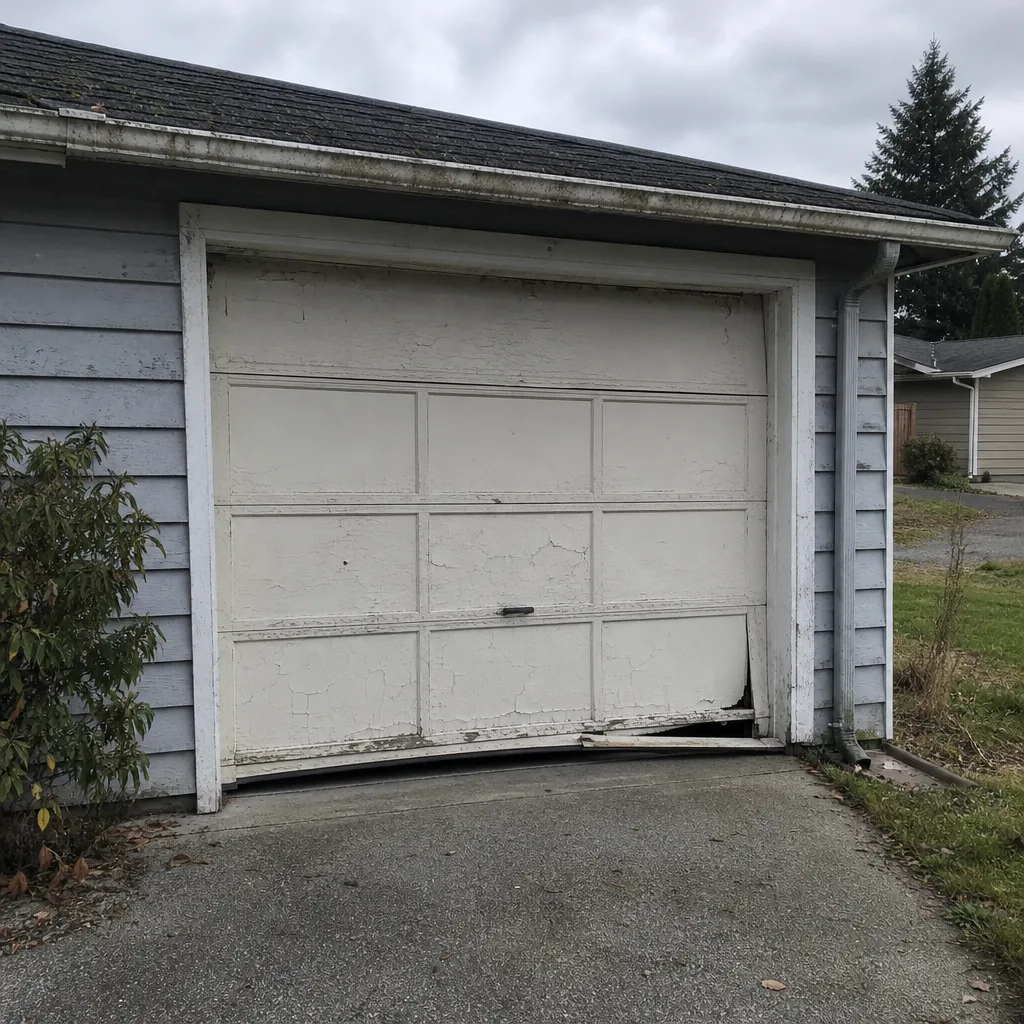 Before
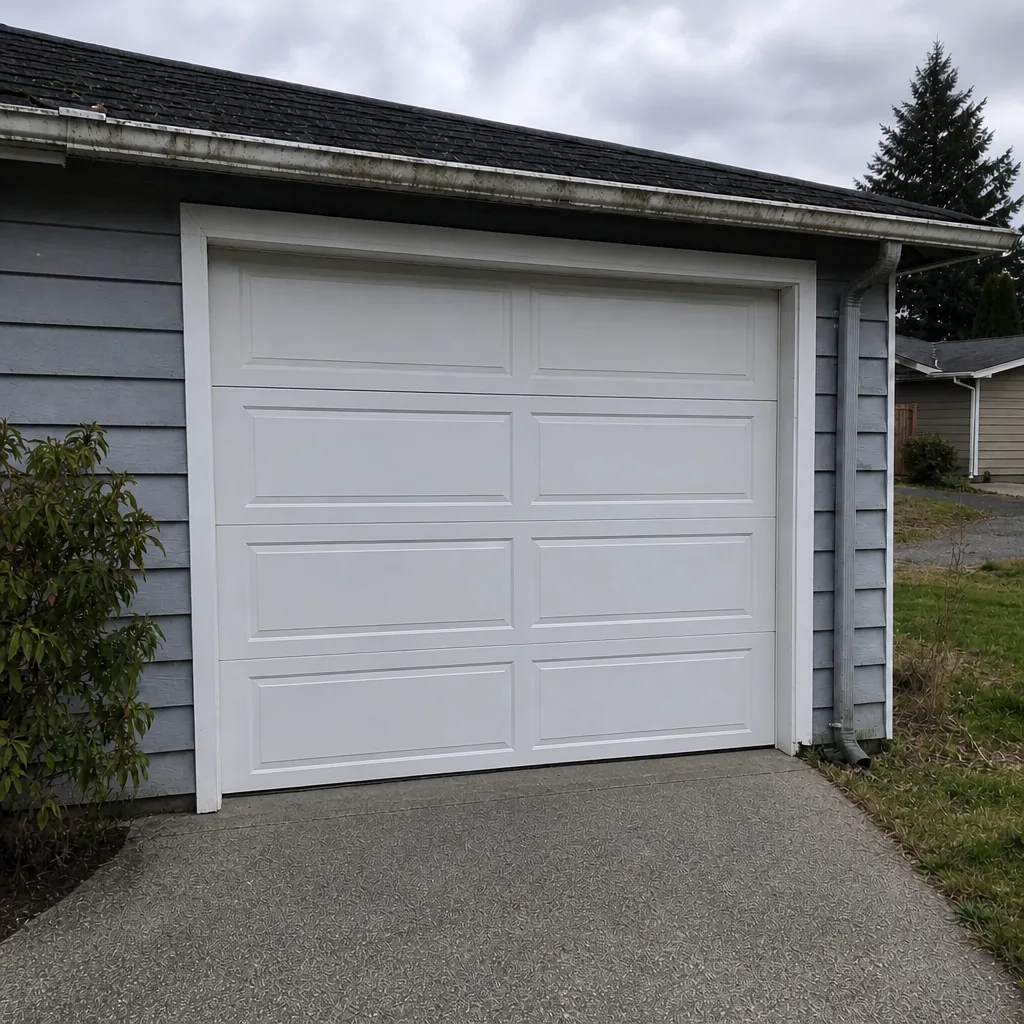 After
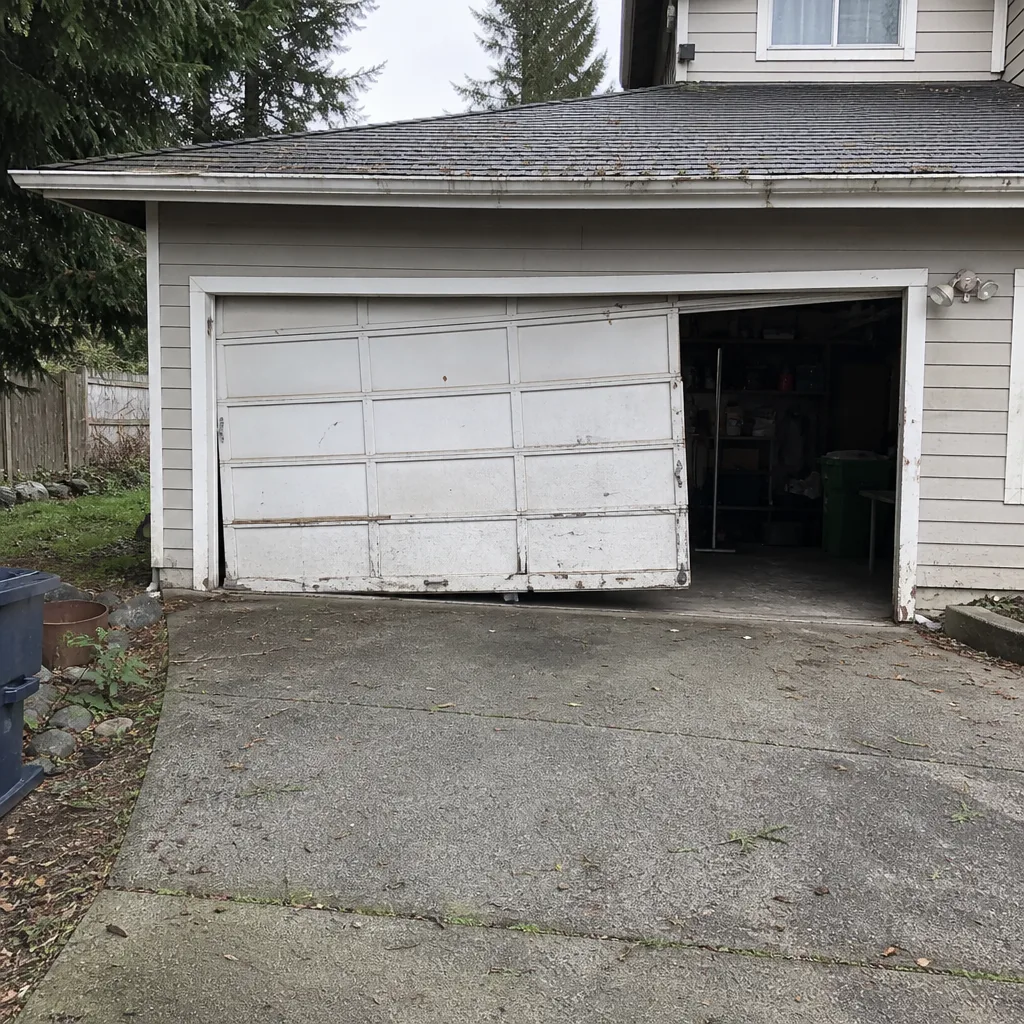 Before
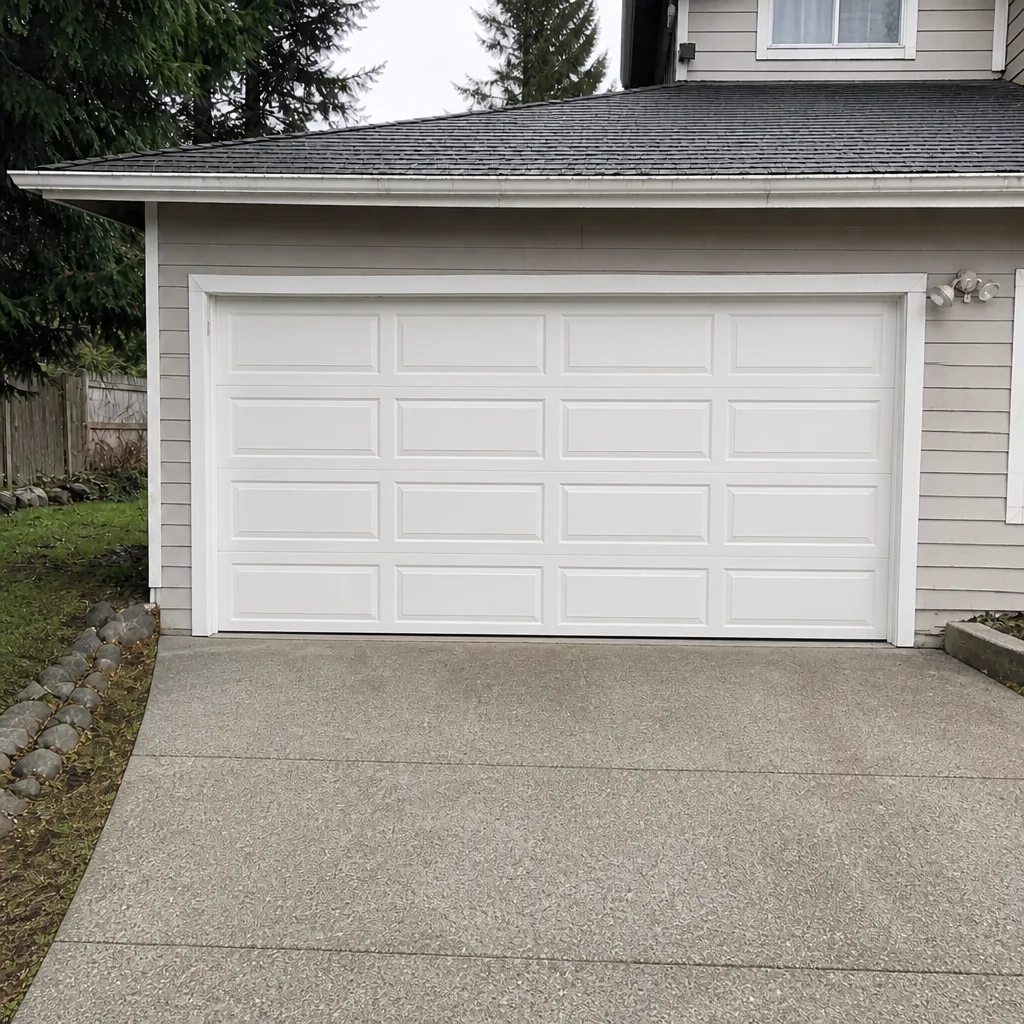 After
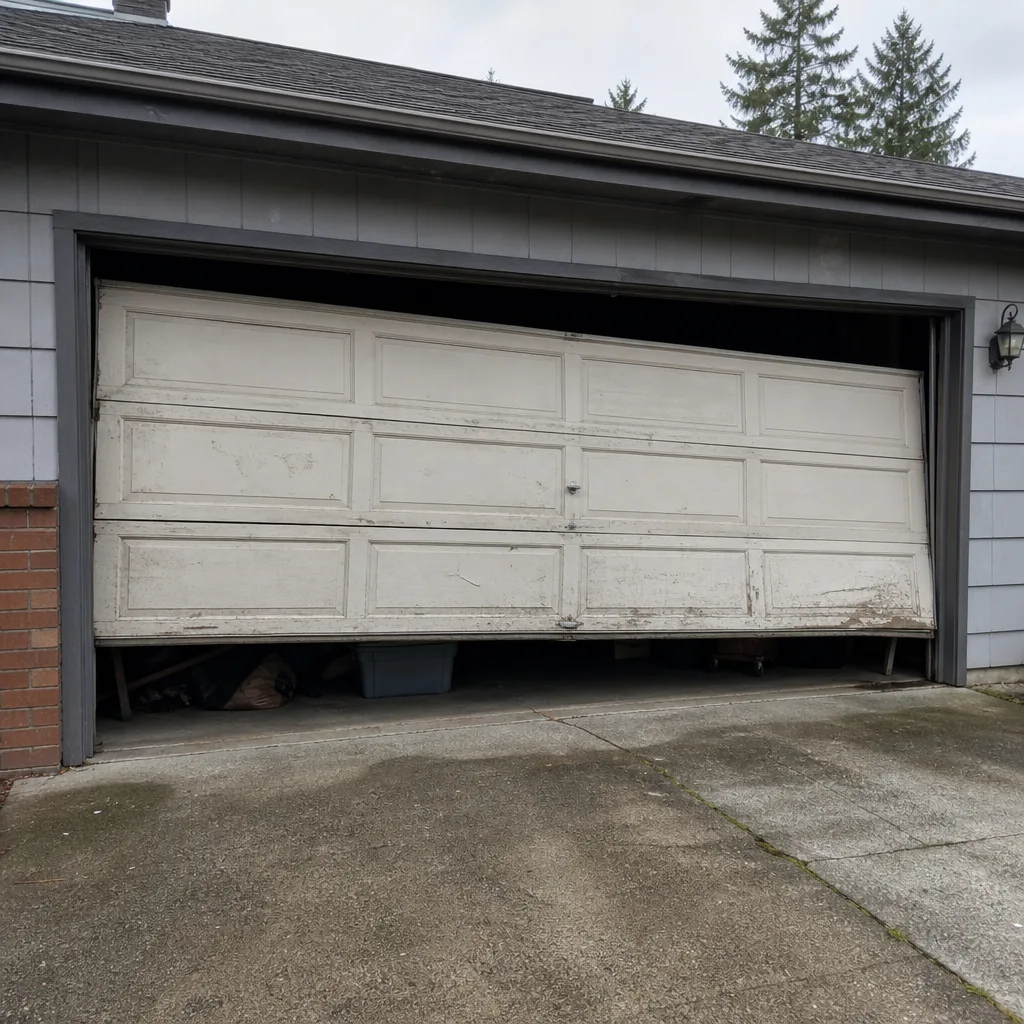 Before
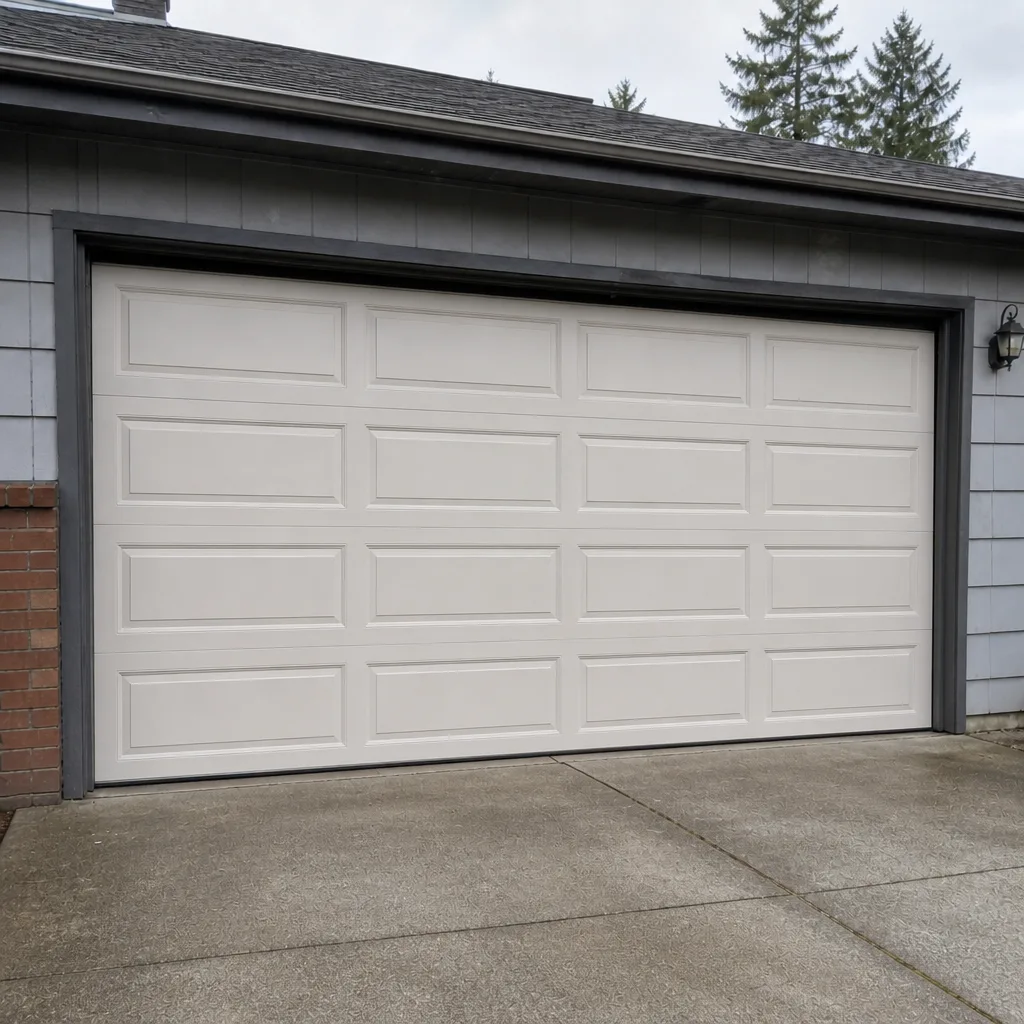 After
When to Call a Professional
Some jobs are a call to a technician. These are: a spring that’s snapped or looks like it’s failing, a door that won’t lift without unusual effort, an opener that’s locked out, an opener that reverses for no reason, a door that’s hanging crooked from the tracks, a broken panel, or a door you’ve freed from ice but still won’t move. All of these involve components under stored energy or a mechanism out of alignment – the two situations where DIY attempts turn a small repair into a serious injury. Same-day service and fast dispatch from 7am to 7pm are available for emergencies, and the technician will diagnose before quoting so you know exactly what you’re paying for before work starts.
SeaTac Garage Door Repair Pros offers free estimates in SeaTac – call (866) 566-1405. If the door isn’t safe to leave, call now and we’ll walk you through securing it while help is on the way.
Frequently Asked Questions
Stop cycling the door and secure it before anything else. If the door is closed, leave it closed. If it’s partially open or hanging, prop it from underneath with something solid, keep people and pets out of the garage, and call a technician. Don’t try to fix a spring yourself – that’s the one component that puts you in real danger. Call (866) 566-1405 and we’ll talk through securing the door while you wait.
Most openers come back after an outage without any repair at all. The usual problem is that the trolley needs re-engagement or the safety sensors need to be reset after the power comes back. If the door still won’t run once power is restored, then it’s worth a diagnosis before assuming the unit is dead. We handle opener repair across LiftMaster, Chamberlain, Genie, and Craftsman systems, and diagnosing before replacing is how you avoid buying a new unit you didn’t need. Call (866) 566-1405 for an estimate.
Emergency visits typically land in a range rather than a fixed number because the cost depends on what failed and which parts are needed, so any honest provider will diagnose before quoting. The price is quoted and agreed before any work starts, and the written estimate is what you’ll pay. Call (866) 566-1405 for an exact quote – estimates are free.
Yes, in most cases, if the door is closed, the power is off, and nobody is standing under the door. The manual release is designed for exactly this. The one exception is a door with a broken or compromised spring – in that case, lifting it by hand can let it fall. If the door feels heavy, stop and call for help. Call (866) 566-1405 if you’re unsure.
Cold weather reduces spring tension and makes the door feel heavier, and a spring that was near the end of its life takes the extra load and fails. Freezing rain that bonds the bottom seal to the ground makes it worse, because the opener keeps pushing while the door can’t move. Spring repair is a job for a trained technician – call (866) 566-1405 and we’ll replace the pair and reset the opener so the door runs true again.
Usually the door can be freed and secured the same night, but the repair itself may need to be scheduled. A frozen seal can often be freed with warm air and a plastic scraper, and a door that’s stuck open can be stabilized safely. The right approach is to secure the door and confirm it moves freely before scheduling any needed repair. Call (866) 566-1405 to talk through what your door needs.
The Bottom Line
Garage door emergencies in SeaTac come from both ends of the thermometer, and the response is the same in both cases: stop cycling the door, secure it, and call someone trained to fix it. The manual release is your tool during a power outage. Warm air and a plastic scraper are your tools when ice bonds the seal. Patience is your tool when a spring snaps, because lifting a door with a broken spring is the most dangerous thing you can do. Prep each season, keep a short supply list on hand, and know how to vet an emergency call before you need one. If the door is unsafe tonight, call (866) 566-1405 for a free estimate – we’ll walk you through securing it and give you a written price before any work starts.
Written by the team at SeaTac Garage Door Repair Pros.