Last updated November 23, 2026
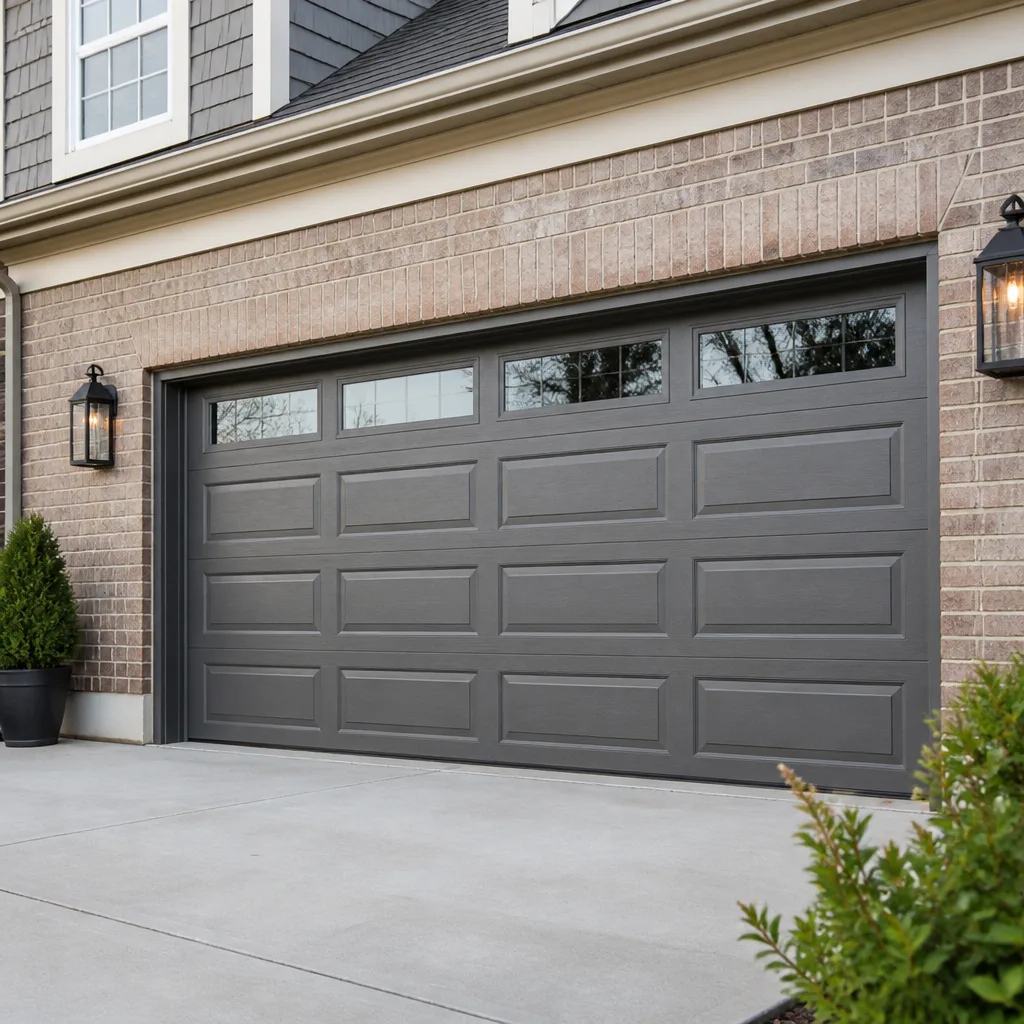 Raised-panel steel
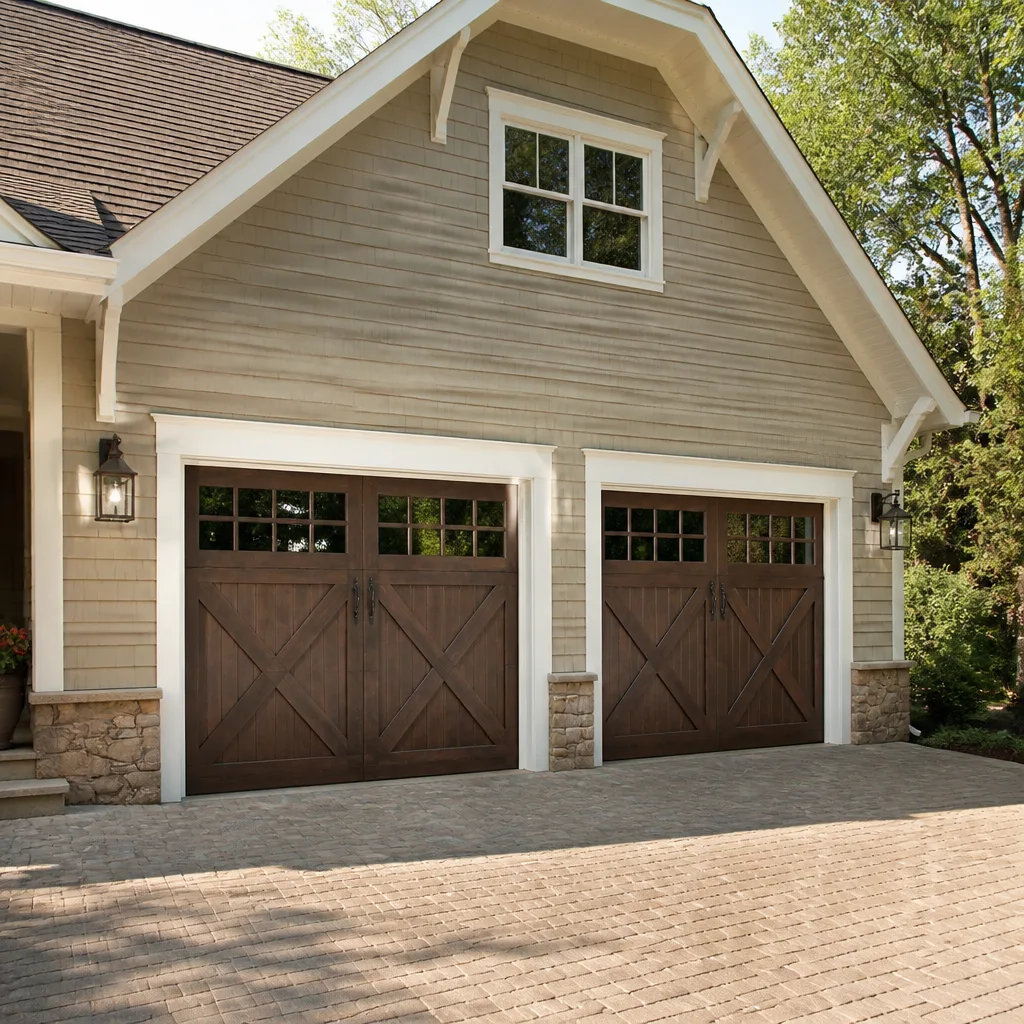 Carriage house
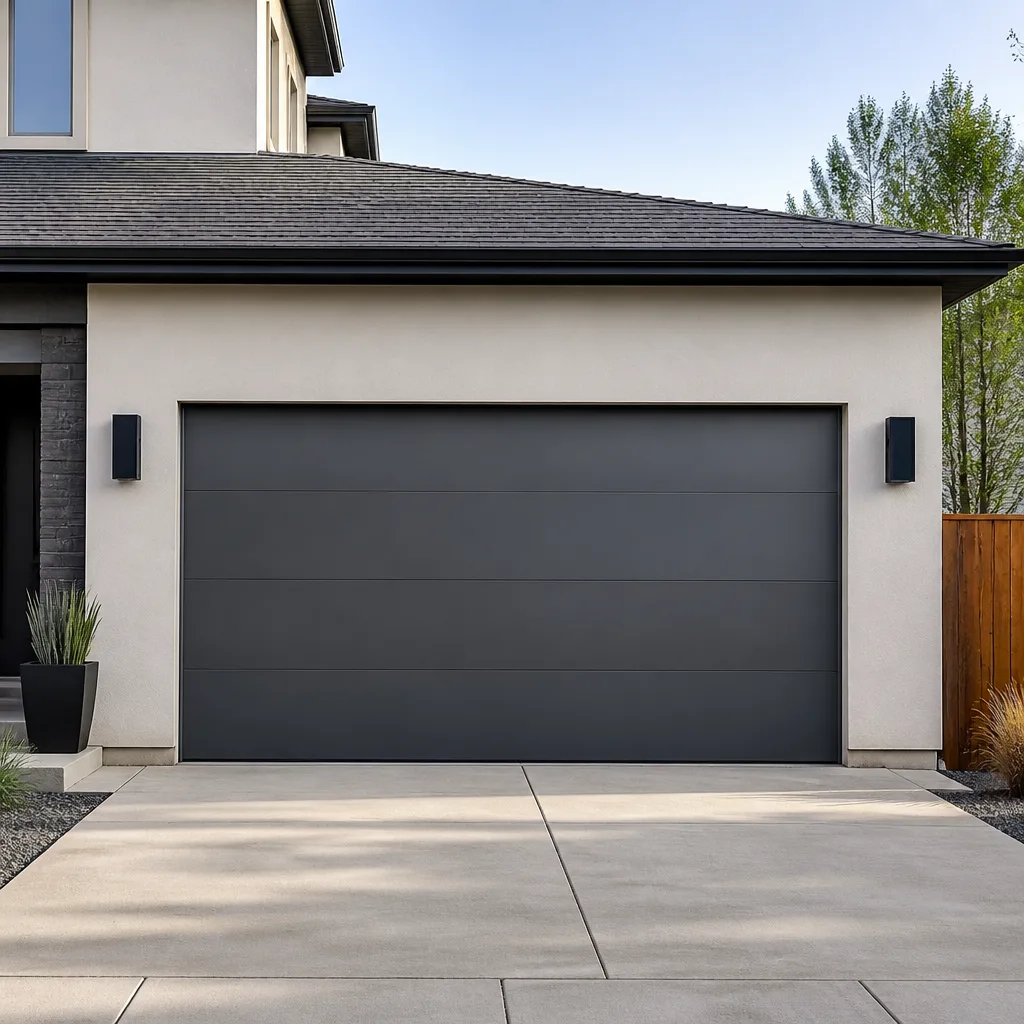 Modern flush
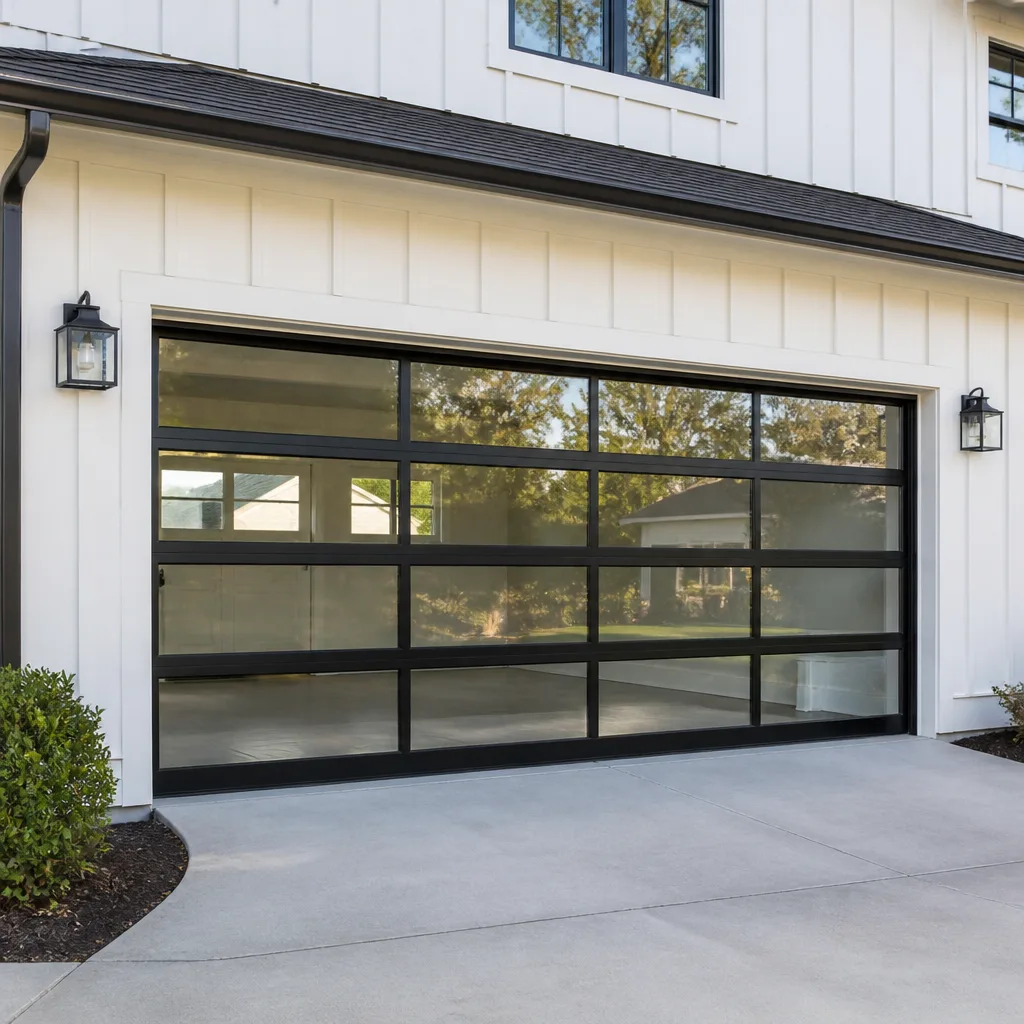 Full-view glass
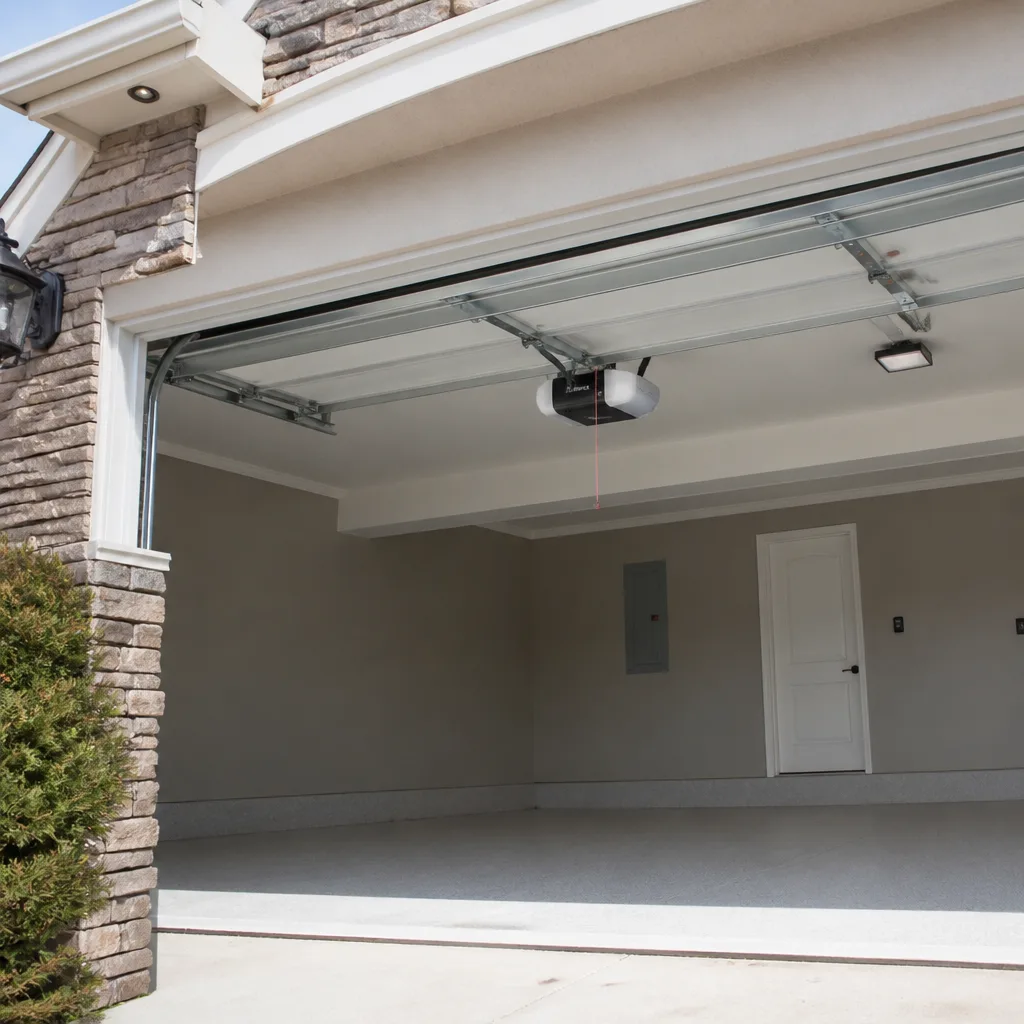 LiftMaster openers
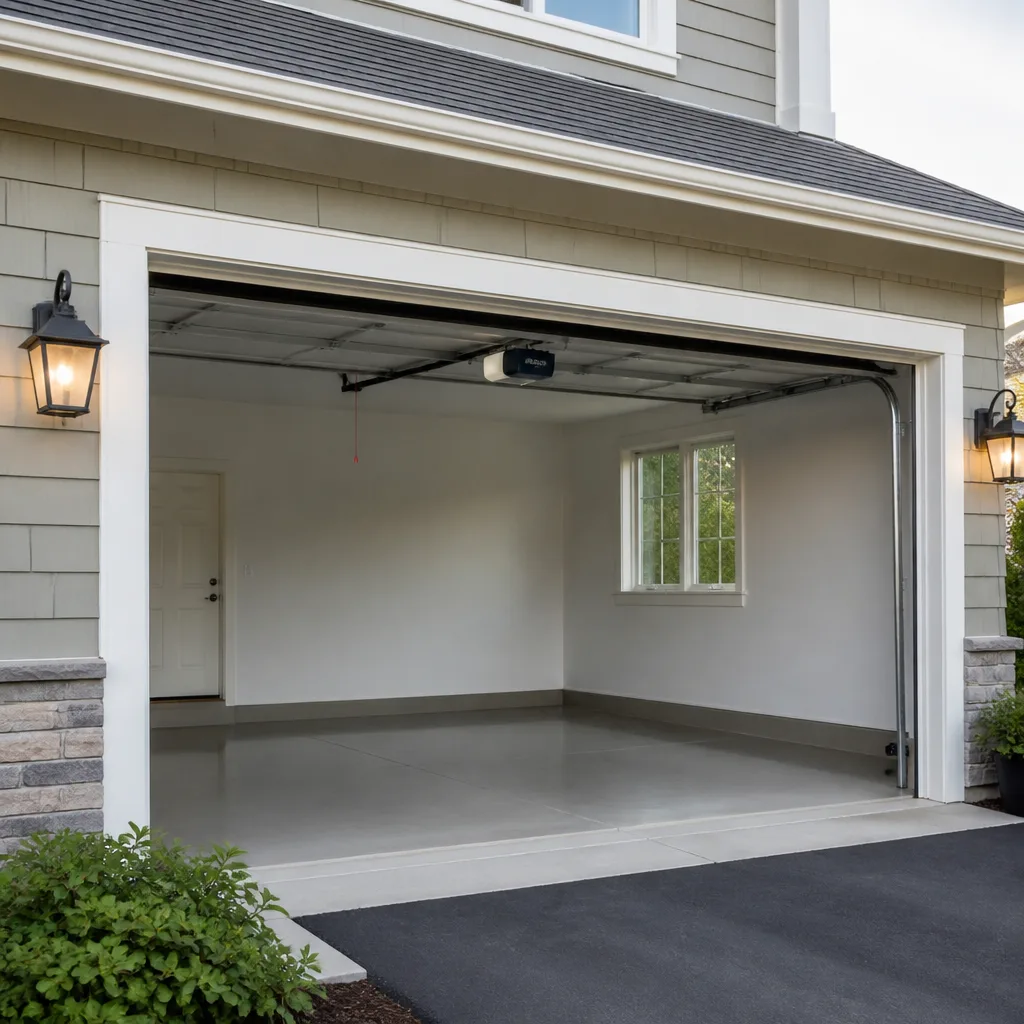 Chamberlain openers
Full 25-point door and opener safety check with every visit - springs, cables, rollers, tracks, and your LiftMaster or Chamberlain opener included
You get a price before we start. It does not change when the pro arrives.
Get your free estimateGarage Door Warning Signs: A SeaTac Homeowner’s Reference Guide
Most garage door problems announce themselves long before the door stops working. Not with a bang, but with a slight change in sound, a half-second delay in the opener’s response, or a small gap you’d only notice if you were looking. The trouble is that homeowners in SeaTac hear these signals every day and file them under “normal.” Then one morning the door won’t budge, or worse, it comes down faster than it should. Knowing which warning signs are genuinely urgent and which can wait is the difference between a straightforward fix and an emergency call. This guide triages every common symptom into clear action tiers so you know when to stop using the door, when to schedule service, and when to simply keep an eye on things.
Styles & brands we work with
- Raised-panel steel
- Carriage house
- Modern flush
- Full-view glass
- LiftMaster openers
- Chamberlain openers
Quick Answer
Garage door warning signs fall into three action tiers. Tier 1 signs – a snapped spring, a door hanging at an angle, loud popping, or a door that won’t reverse – mean stop using the door and call a professional immediately. Tier 2 signs – grinding noises, slow response, sensor problems, or visible cable wear – mean schedule service within the week. Tier 3 signs – faint rattles, minor cosmetic wear, or slight seasonal stiffness – are worth logging and monitoring. In SeaTac’s wet climate, hardware corrosion and track swelling push several of these signs into higher tiers faster than they would in drier regions.
Table of Contents
- Understanding the Three-Tier Warning System
- Tier 1 Warning Signs: Stop Using the Door Now
- Tier 2 Warning Signs: Schedule Service This Week
- Tier 3 Warning Signs: Log and Monitor
- What That Noise Is Telling You
- Reading Spring Fatigue Before the Break
- Wet-Season Corrosion Signs in SeaTac
- Opener Symptoms: Motor Wear vs. Sensor vs. Trolley
- Common Mistakes to Avoid
- When to Call a Professional
- Frequently Asked Questions
Understanding the Three-Tier Warning System
Not every noise under the hood of your car means pull over immediately, and not every noise from your garage door means it’s failing. But some do. The key is knowing which is which, and the reason most homeowners get it wrong is that they treat all garage door symptoms the same: either panic at everything or ignore everything.
The tier system works like a triage nurse. You assess the symptom, match it to the urgency level, and act accordingly. Here’s how the three tiers break down in practice:
- Tier 1 – Call now. These are symptoms that indicate a component has already failed or is about to fail dangerously. Using the door in this state risks injury or further damage. Examples include a broken spring, cables off their drums, a door off its track, or a door that won’t reverse on contact.
- Tier 2 – Schedule this week. These symptoms indicate worn or misaligned components that still function but are deteriorating. The door still works, but putting off service accelerates wear and can turn a modest repair into a full replacement. Grinding, popping, sensor discrepancies, and visible fraying move to this tier.
- Tier 3 – Log and monitor. Faint rattles, slight stiffness in cold weather, minor cosmetic wear. Nothing is failing yet, but you want a record so you can spot when a Tier 3 symptom escalates to Tier 2.
Here in SeaTac, the wet season (late fall through early spring) accelerates the timeline on Tier 3 signs. Moisture works into hinges, rollers, and track joints, and what would’ve stayed a low-grade annoyance for a year in a drier area can turn into a Tier 2 issue after one rainy stretch. That’s not a reason to panic – it’s a reason to check your door more often between October and March. The good news is that our technicians have up to 8 years of experience diagnosing exactly these climate-driven patterns, so a quick look often catches the problem before it forces a bigger repair.
Tier 1 Warning Signs: Stop Using the Door Now
If you see any of the symptoms below, stop operating the garage door immediately. Don’t try to close it by hand, don’t try to force it, and don’t stand under it while it’s in motion. These are the situations where the risk of injury or structural failure is real, and no amount of “just one more open” is worth it.
- The door won’t stay up or comes down fast. A door that slams shut or drops rapidly once you disengage the opener is almost certainly running on a broken or severely fatigued spring. The springs are what counterbalance the door’s weight. When they fail, the door’s full weight goes uncontrolled. Our guide to garage door spring repair explains how the balanced-force system works, but the short version is this: don’t touch it yourself.
- A loud pop or snap from above. This is often the sound of a torsion spring breaking. The door may still appear to function (the opener can sometimes lift it), but the counterbalance is gone. Every cycle is now putting massive stress on the opener and hinges. Stop and call.
- The door is visibly crooked or off its track. A door that hangs visibly to one side, or whose rollers have jumped the track, is unstable. Forcing it will bend panels and stress cables. A horizontal gap of more than a half-inch between the door and the ground when fully closed also qualifies – that’s a security and weather-seal failure.
- The door won’t reverse when it contacts an object. The safety reverse is a fundamental protection. If you’ve tested it (place a roll of paper towels under the door, close it, and see whether it reverses) and the door presses down instead of rising back up, that’s an immediate Tier 1 issue. Do not operate the door again until it’s inspected.
- Cables are visibly off their drums or tangled. Cables are under extreme tension. A loose or tangled cable can whip with enough force to cause serious injury. Keep everyone away from the door and call.
We’ve written before about why spring work is one of the high-risk jobs in the trade, and the ladder of severity here is why. The force contained in a torsion spring is substantial, and the components involved (cables, drums, winding bars) give no warning before releasing. This is exactly the kind of job that a trained technician handles with proper tools, and that a homeowner should never attempt with a YouTube video and a couple of wrenches. SeaTac homeowners should treat any Tier 1 symptom as a signal to step away from the door and make the call to garage door repair.
Tier 2 Warning Signs: Schedule Service This Week
Tier 2 symptoms are the ones homeowners most often miss because the door still works. It opens, it closes, nothing falls off, so it gets filed as “fine.” That’s the trap. These symptoms mean a component is wearing down, and each week of use adds wear that turns a minor fix into a bigger bill.
- Grinding or growling during travel. That’s usually metal-on-metal contact from worn rollers, dry hinges, or a bearing in the opener assembly. Left alone, grinding wears the track and can strip gear teeth in the opener’s drive.
- Popping or snapping from the middle of the door. Often a hinge or roller is binding, or a section is separating. This is a strain symptom that can lead to a panel crack.
- Rattling that’s getting louder. Loose bolts and hinges are the usual suspects, but persistent rattling can also mean a track is coming loose from the wall.
- The door is slow to respond to the remote. A one- to two-second delay is normal. A delay that’s growing, or a remote that works from some angles but not others, points to opener wear, a creeping battery, or antenna interference.
- The photo-eye sensor triggers intermittently. If the door reverses when nothing is in the way, the safety eyes are misaligned or the lens is dirty. That’s a quick fix, but it must be fixed – it’s a safety system, not a convenience feature.
- Visible wear on cables or rollers. Frayed cable strands, flat spots on rollers, and cracked hinge plates are all Tier 2. Any cable redness or orange fraying pushes this toward Tier 1 because cables are load-bearing.
In SeaTac, our wet-season conditions mean several Tier 2 symptoms show up together. The white mineral deposits that form on exposed hardware, the slight swelling of track sections in older garages, and the general stiffness that comes with high humidity all compound. It’s smart to do a quick visual inspection of rollers, hinges, and cables at the start of wet season, and again midway through. If something looks off, that’s a call now rather than a call later. Scheduling garage door opener repair or a general tune-up before small issues escalate is almost always the cheaper path.
Tier 3 Warning Signs: Log and Monitor
Tier 3 is the “keep an eye on it” category, and the goal here is documentation, not intervention. These are symptoms that might signal nothing at all, or that might be the earliest inkling of something more. Logging them gives you a baseline so you can recognize when something changes.
What qualifies as Tier 3:
- A faint rattle at the end of travel that’s consistent and hasn’t worsened.
- Slight stiffness on cold mornings that eases once the door has cycled a few times.
- Cosmetic wear on the bottom seal that doesn’t yet let daylight through.
- A minor scuff or paint chip on a panel with no deformation.
- An opener remote that occasionally needs a second press but works reliably otherwise.
A simple system: note the date and symptom on a sticky note on the garage wall or in a phone memo. If the symptom changes – gets louder, more frequent, or develops into one of the tiered signs above – you’ll know it shifted and can escalate appropriately. If it stays the same for months, it probably isn’t a problem worth paying for.
What’s key is not to leave a Tier 3 symptom permanently in “log and monitor” mode without an annual check. A yearly visual and operational inspection catches things before a low-grade symptom crosses into Tier 2. If the door is older or hasn’t been serviced in a few years, a professional tune-up can give you a fresh baseline. SeaTac weather in particular means it pays to check in with the door a couple of times a year. Our technicians have up to 8 years of experience sizing up doors from all the major brands – LiftMaster, Wayne Dalton, Craftsman, Raynor, and the rest – so even a quick assessment tends to catch things early.
What That Noise Is Telling You
Garage door noises are diagnostic. Different sounds point to different components, and homeowners who learn to distinguish them save money by calling for the right reason at the right time.
- Grinding – a low, continuous scraping or metallic gnashing during travel. Usually worn rollers or a dry hinge, or a bearing in the opener. Grinding during ascent is often a roller issue; grinding during descent is often a track or opener gear issue.
- Popping – a sharp, sudden pop, often at the beginning or end of travel. A binding hinge, a panel trying to separate, or a roller jumping its track. A series of pops that gets worse with each cycle is a Tier 2 issue; a single pop followed by a much lighter door that won’t stay up is Tier 1.
- Rattling – a loose, jingling sound with each cycle. Usually bolts that have backed out, a loose track bracket, or worn roller stems. Constant rattling that worsens over a few weeks points to fasteners losing tension, which is a Tier 2 item.
- Scraping – a rubbing, dragging sound, often at a specific point in the travel. Usually the door rubbing the track or a section of weather seal dragging against the floor frame. Scraping that leaves visible scratch marks on the track is Tier 2.
- Squealing or squeaking – high-pitched and intermittent. Usually rollers or the opener’s drive screw. Often the least urgent of these sounds, but a persistent squeal in the opener can indicate premature bearing wear.
- Humming without movement – the opener motor runs but the door doesn’t move. This is often a stripped gear, a broken drive coupler, or a trolley that has come off its carriage. This is Tier 1 for the opener even if the door itself is intact.
One thing to know: the sound diagnosis changes a bit with the weather. In SeaTac, a dry snap in January often sounds louder than the same symptom in July because the wood and metal are contracted. Trust your ears, but note the season and the temperature when you’re logging a symptom.
Reading Spring Fatigue Before the Break
Springs are the part of the system homeowners pay the least attention to, until they fail. The springs (torsion springs mounted above the door on a center shaft, or extension springs running along the sides) do the heavy lifting of counterbalancing the door’s weight. When they fatigue, they don’t just stop working – they change the door’s behavior in ways you can track.
Signs of spring fatigue to watch for:
- A growing gap in the coils. Torsion springs are wound coils. A spring that’s losing tension will often show a widening gap between individual coils. A gap of about a quarter-inch or more across multiple coils is worth inspecting.
- Uneven door travel or a door that hangs slightly askew. If one side of the door is slower or lower than the other, the spring on that side may be losing tension (with a two-spring system, they’re supposed to balance each other).
- Visible stretch or elongation. Extension springs in particular can stretch. A spring noticeably longer than its original length is wearing out. On a two-spring extension setup, one spring being visibly longer than its counterpart is a red flag.
- The door feels heavier than it used to. Disengage the opener (pull the manual release cord) and lift the door by hand. A properly balanced door lifts with modest effort and stays where you place it. A door that feels heavy or drifts down is telling you the spring balance has shifted. Do this test carefully, with the door closed and no one under it.
- A popping or thunk from the header each time the door starts. This can be a spring winding down to its final turns. Combined with any of the signs above, it’s Tier 1.
Our “spring fatigue” discussion is at the center of any honest door diagnosis. The one thing we want every SeaTac homeowner to understand is this: spring replacement is not a homeowner job. The stored force in a charged spring can release in an instant, and the drum, cable, and winding bar work requires tools and training that general handyman work doesn’t cover. This is a service to call, not a weekend project. That’s why it’s one of the specialties our team focuses on, and why our technicians have the experience and equipment to do it safely.
Wet-Season Corrosion Signs in SeaTac
Wet-season corrosion is one of the most overlooked categories of garage door warning signs. In a damp climate, moisture gets into the hardware – hinges, rollers, track joints, and the bottom seal – and starts doing its work slowly. You won’t see anything dramatic. You’ll see white or powdery deposits on the metal, a slight orange tinge on cable strands, and swelling at the track joints. It’s worth knowing what these look like.
- White mineral deposits on hinges and brackets. Often seen as a powdery or crusty film. This is a sign of moisture sitting against the metal and starting to break down the finish. A wire brush and a lubricant can slow it, but if it’s widespread, the hardware is nearing the end of its useful life.
- Orange or reddish fraying on cables. Cable strands are under tension and most are made of woven steel. Once moisture gets in, the inner strands can rust and fray. Any rust or broken strands on a cable are a Tier 1 sign, not Tier 2, because cable failure is sudden.
- Swollen or slightly warped track sections. Damp weather can cause wood or drywall to swell, which can push a track out of line. A track that was straight in autumn may be off by a fraction of an inch by February. A door that travels more slowly or scrapes at a certain spot after the rains is a Tier 2 sign.
- Peeling paint or bubbling on the bottom panel. Moisture at the floor line does the most damage at the bottom section. If the bottom panel’s paint is bubbling or peeling, it’s time to inspect the seal and consider touching up before the metal rusts through.
Our advice for SeaTac homeowners is straightforward: do a twice-yearly visual walk-around of the door and its hardware, especially the bottom seal and the track. Wipe down any mineral deposit you see with a dry rag, and use a garage-door-appropriate lubricant on the rollers and hinges. If the deposits come back within weeks, that’s a sign of ongoing moisture intrusion worth investigating. And if you see cable rust or fraying, don’t try to interpret it; that’s a stop-and-call situation. We cover the fix in more detail on our garage door spring repair page, since cable issues are often part of the same job.
Opener Symptoms: Motor Wear vs. Sensor vs. Trolley
The opener is the part of the system homeowners notice first, because it’s what they interact with. But three very different problems produce symptoms that look nearly identical, and knowing the difference helps you understand what you’re calling about. Here are the three most common:
- Motor wear. The opener runs, but the door moves slowly or stalls partway. Often the opener is straining to lift a door that’s no longer balanced (spring issue), or the opener’s internal gears are worn. Motor wear tends to be gradual: the opener gets louder, then slower, then eventually stops lifting. If the door is not balanced, the opener is doing work it wasn’t designed to do, which accelerates wear. That’s why a door diagnosis should always include a balance check.
- Sensor misalignment. The opener runs but the door reverses immediately, or the opener doesn’t respond at all. Photo-eye sensors on either side of the door track must be aligned, and the lens must be clean. A sensor knocked slightly out of alignment, or one that’s blocked by a box, a bike, or a leaf, will stop the door. This is normally a quick fix and never a reason to buy a new opener. Before you call, clear the path between the sensors, check that the small LED indicator lights on each sensor are steady, and try the wall control. If the door behaves after that, the opener’s fine.
- Trolley disengagement. This is the one that produces the symptom “the opener runs but the door doesn’t move.” The trolley is the carriage that runs along the rail and pulls the door. It has a manual release (the red or black cord) that disconnects it. If the release was pulled (during a power outage, for example) and not reset, the opener will run and the door won’t move. Re-engaging the trolley is usually a simple process: with the door closed, pull the release cord down and run the opener briefly; it should catch. If it doesn’t, or the trolley is physically broken, that’s a call.
One more: a remote that doesn’t work but a wall button that does is usually a remote battery, a pairing issue, or antenna interference. It’s almost never the whole opener. For a more complete walkthrough of brands and diagnostics, see our garage door opener repair page. We work on all the major opener brands – LiftMaster, Chamberlain, Genie, Craftsman – and we can usually tell you by phone what’s likely going on.
Common Mistakes to Avoid
- Treating a snapped spring as a “close the door and call tomorrow” problem. A broken spring means the door’s counterbalance is gone. Every cycle after the break overloads the opener, the hinges, and the cables. Stop using the door and call.
- Assuming a noisy door is just “old.” Heard a grinding or popping sound in SeaTac that’s been there for months? That’s the door telling you it’s wearing out. Noise is your cheapest early warning – ignoring it is the expensive path.
- Greasing the track itself. It’s tempting to spray lubricant on everything you hear squeak. Keep lubricant off the track surface – it collects dust and debris and causes the rollers to slide rather than roll. Clean the track with a dry cloth and lubricate the rollers, hinges, and springs, not the track.
- Testing the safety reverse with a hand or foot. Use a roll of paper towels or a scrap piece of wood under the door, not your foot or hand. The purpose of the test is to confirm the system works; don’t put a body part in its path.
- Ignoring periodic seasonal inspections. In SeaTac, wet-season moisture works its way into every hinge and roller. A quick visual check at the start of wet season and again in spring catches more problems than a single annual service.
- Replacing the whole opener when the real issue is a door that isn’t balanced. If your opener is straining, the first question isn’t “new opener?” – it’s “is the door balanced?” A new unit on an unbalanced door will fail faster than the old one.
- Using WD-40 on rollers. General-purpose sprays aren’t meant for garage door hardware. Use a garage-door-specific lubricant, or ask us which lubricant to use for your door’s hardware.
When to Call a Professional
You should call a professional if you experience any Tier 1 symptom, if a Tier 2 symptom has persisted for a week, if you’ve seen visible rust or fraying on any cable, or if you’re simply not sure whether a symptom is serious. The call is free and it gives you a clear answer. You should also call if the door has been in service for several years and hasn’t had a tune-up, or if you’ve noticed a change in the sound or speed of the door and can’t pinpoint why.
There’s no penalty for a diagnosis. A technician will assess the door, match the symptom to a likely cause, and talk you through the cost and options before any work begins. SeaTac Garage Door Repair Pros offers free estimates in SeaTac – call (866) 566-1405. Our team has up to 8 years of experience with every major brand on the list, and we don’t upsell repairs a door doesn’t need. If it’s just an adjustment, that’s what you’ll hear. And the price is quoted and agreed before any work starts.
Frequently Asked Questions
A noisy door that still opens and closes smoothly, doesn’t reverse unexpectedly, and isn’t visibly crooked is usually not broken – but noise is an early warning that something is wearing. If the door is slow, hanging unevenly, or reverses without an obstacle, that’s broken. When in doubt, a quick inspection is the answer.
Stop using the door immediately. Don’t try to force it open or closed, and don’t stand under the door while it’s in motion. Call for professional spring repair – torsion and extension springs store significant force and require specialized tools and training. You’ll need a trained technician, not a general handyman. Call (866) 566-1405 and we’ll get someone out to assess the door.
No, and it’s not worth the risk. Spring replacement involves winding and unwinding a spring under tension, and it’s a job that requires specific tools and a trained understanding of the system’s balance. Both extension and torsion springs can release their stored force suddenly and cause serious injury. This is a professional job. Our technicians handle spring repair as one of our core services, and the work is done correctly, the first time.
Once a year is the general baseline, with a quick visual check of the rollers, cables, and bottom seal twice a year – once at the start of wet season and once in spring. Because SeaTac’s damp winters accelerate wear on hinges and track hardware, homeowners here often benefit from a professional tune-up before and after the wettest months.
The opener is running but the door isn’t traveling, which almost always points to a trolley disengagement or a stripped gear. If someone pulled the manual release cord during a power outage, the trolley may still be disconnected. Pull the release cord again and run the opener briefly to re-engage; if it doesn’t catch, the trolley or gear is likely broken and it’s a call to a technician.
A very quiet sound as the door starts and stops is normal. Grinding that continues during travel is not – it means metal is contacting metal that shouldn’t be. Worn rollers, dry hinges, and an opener with a dry bearing are the usual causes. Grinding is a Tier 2 symptom: it doesn’t mean stop using the door, but it does mean schedule service before the worn part damages the track or the opener.
No. The price you’re quoted is the price you pay for the work that was quoted. If a technician finds an additional issue that wasn’t part of the original diagnosis, you’ll get a new quote before any added work begins. Nothing gets done without your approval. Call (866) 566-1405 for a free estimate.
The local professionals we connect you with are licensed and insured as their state requires, and experienced with all the major brands – LiftMaster, Chamberlain, Genie, Clopay, Amarr, Wayne Dalton, Craftsman, and Raynor. If you have a brand question before the appointment, ask when you call; it’s part of the job.
The Bottom Line
Garage door warning signs are only useful if you know how to read them. The tier system gives you a simple way to make that call: Tier 1 means stop and call now, Tier 2 means schedule service within the week, Tier 3 means log it and watch. The most common clues are sound, door balance, visual wear on the springs, and wet-season corrosion at the hardware. If you’re unsure which tier a symptom belongs to, or you’d just rather have an experienced eye look it over, our team is ready to help. We offer free estimates across SeaTac – call (866) 566-1405 today and we’ll get your door back on track.
Written by the team at SeaTac Garage Door Repair Pros.
See the difference
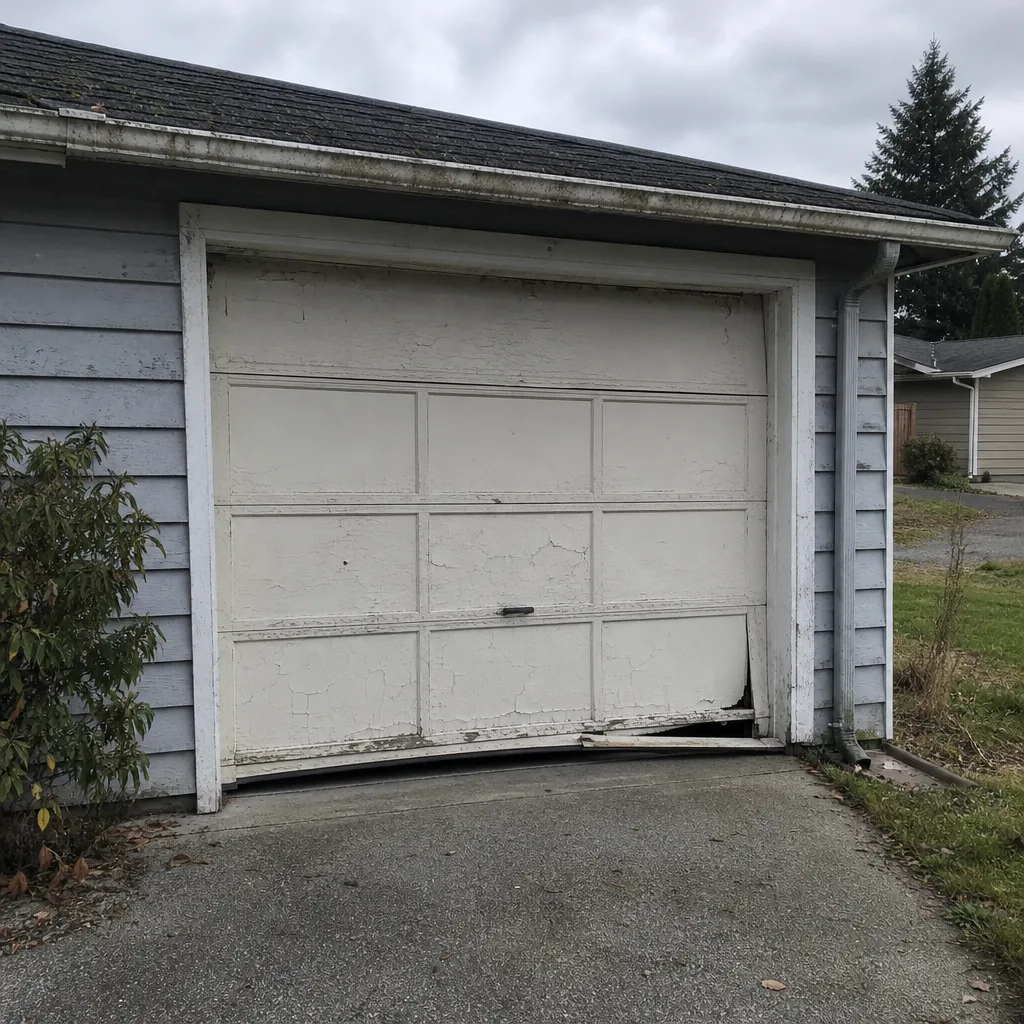 Before
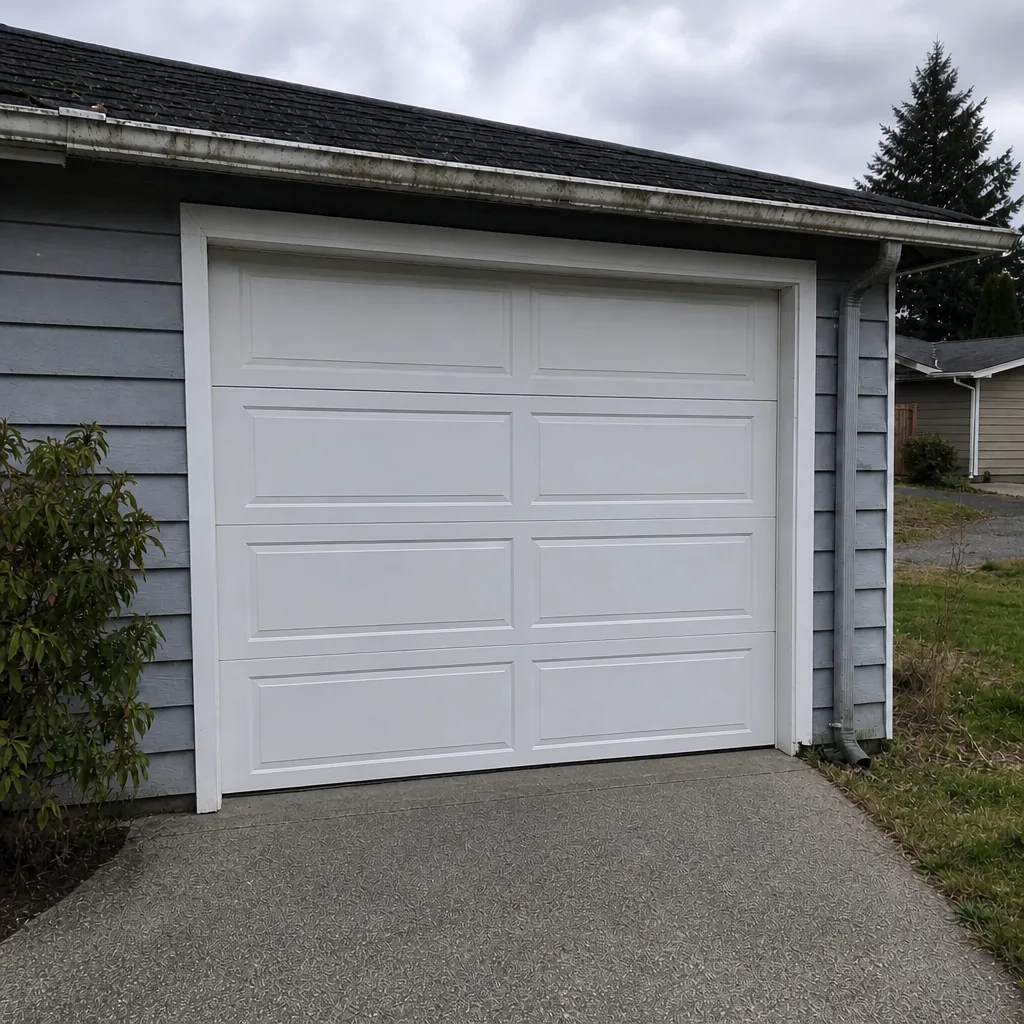 After
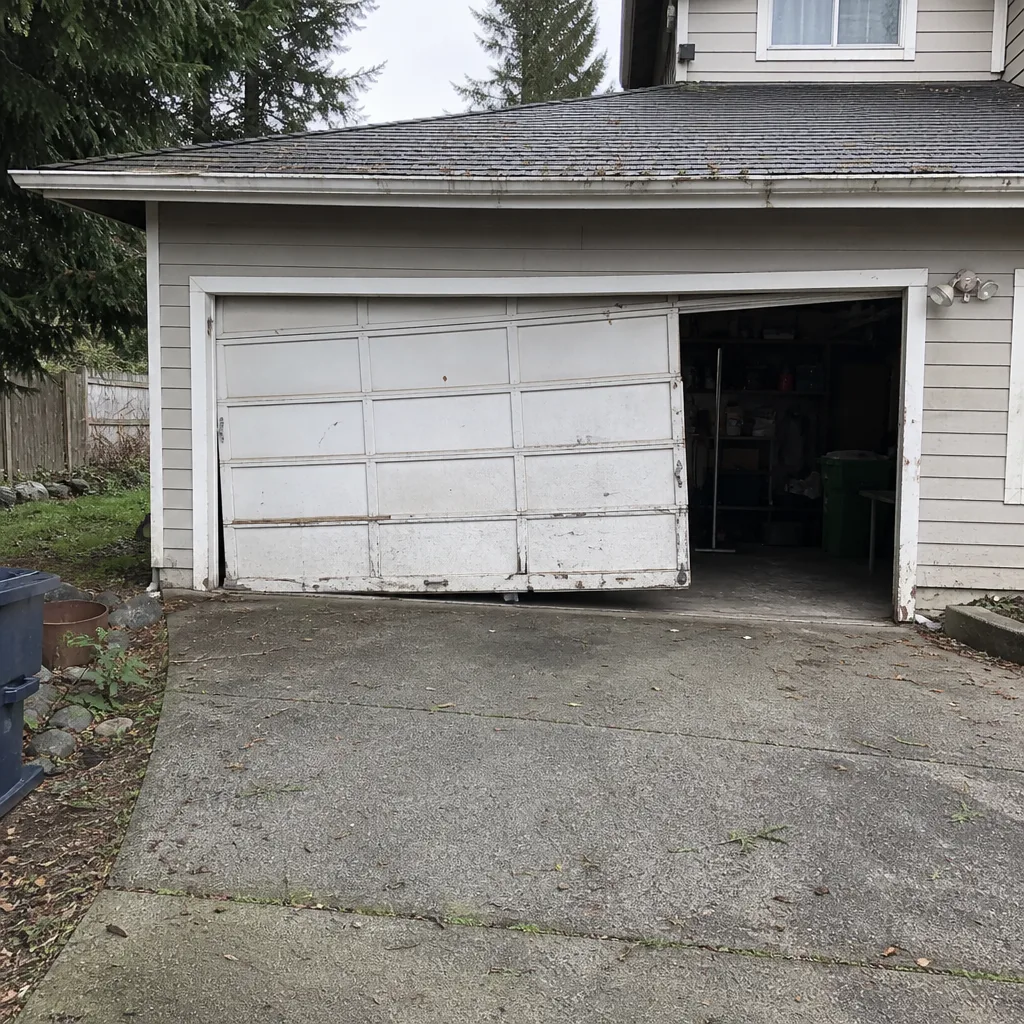 Before
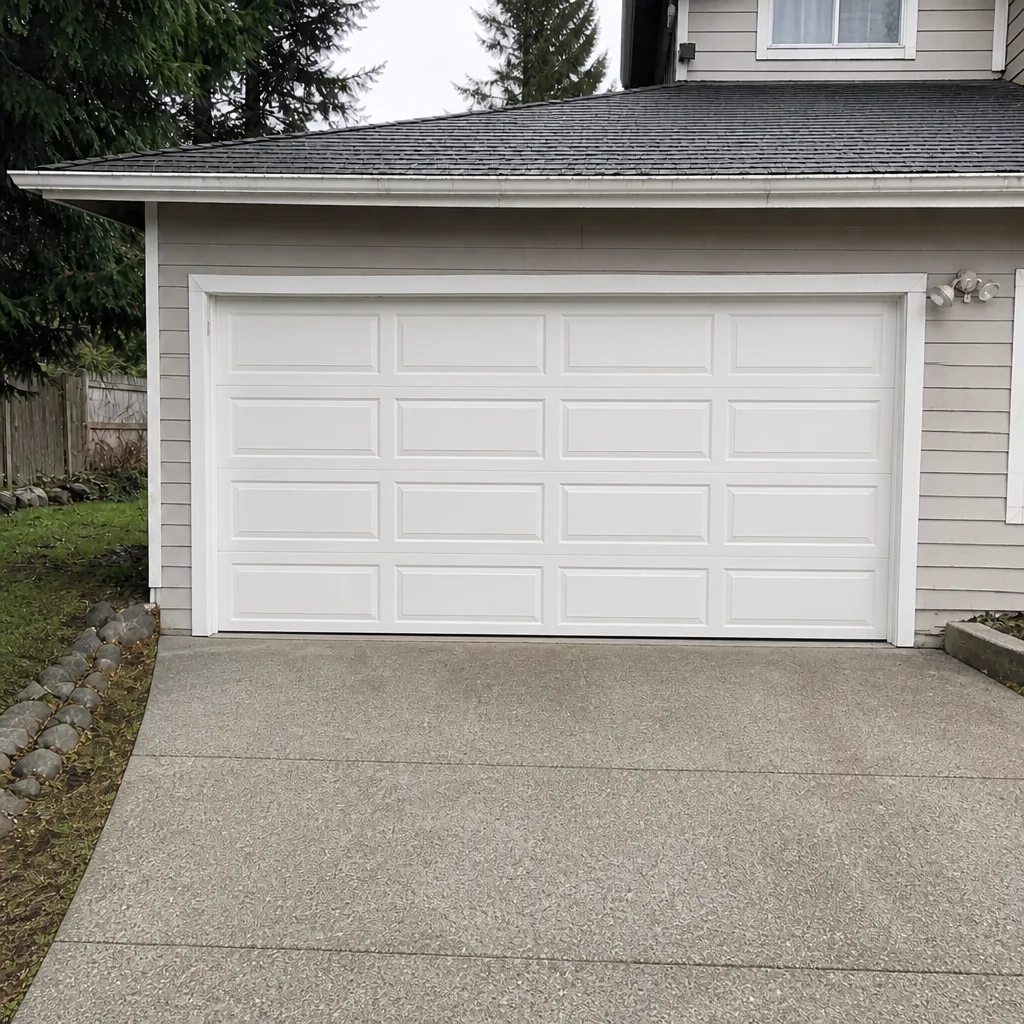 After
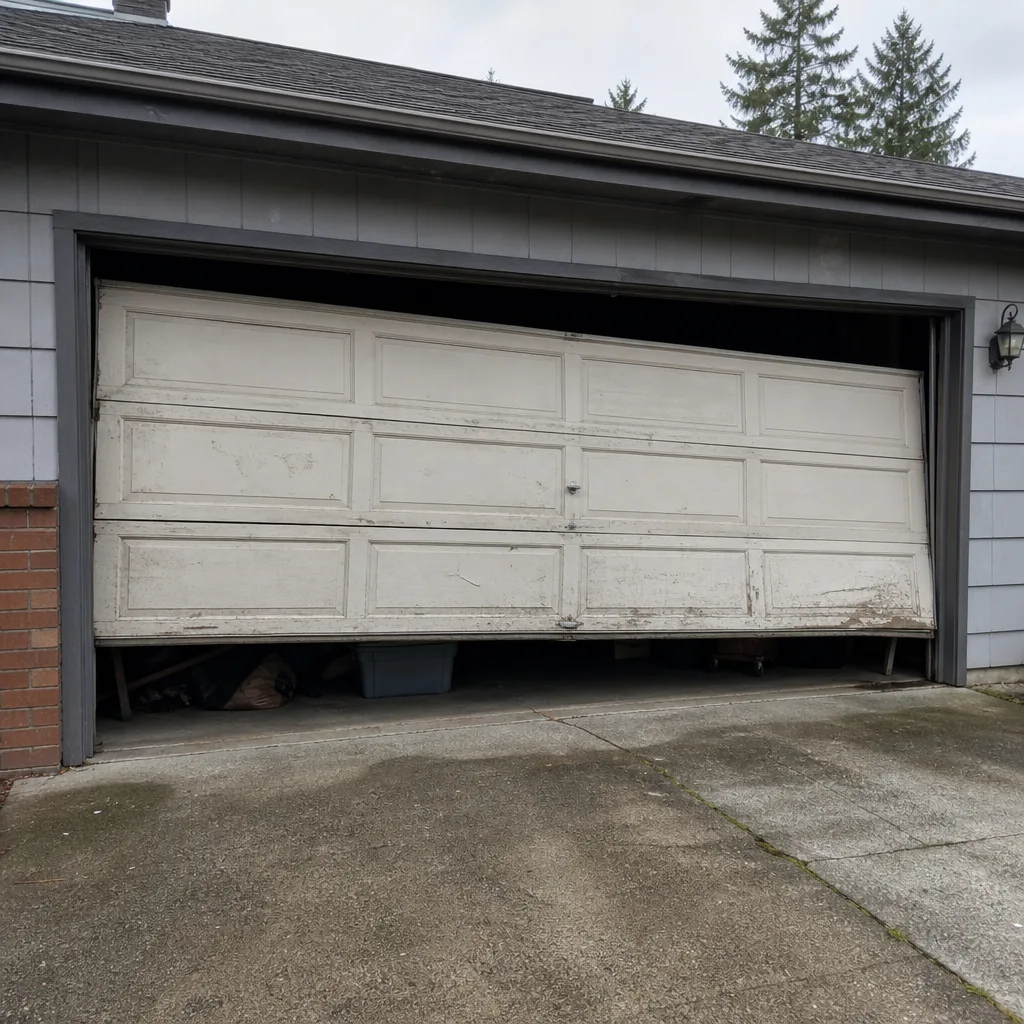 Before
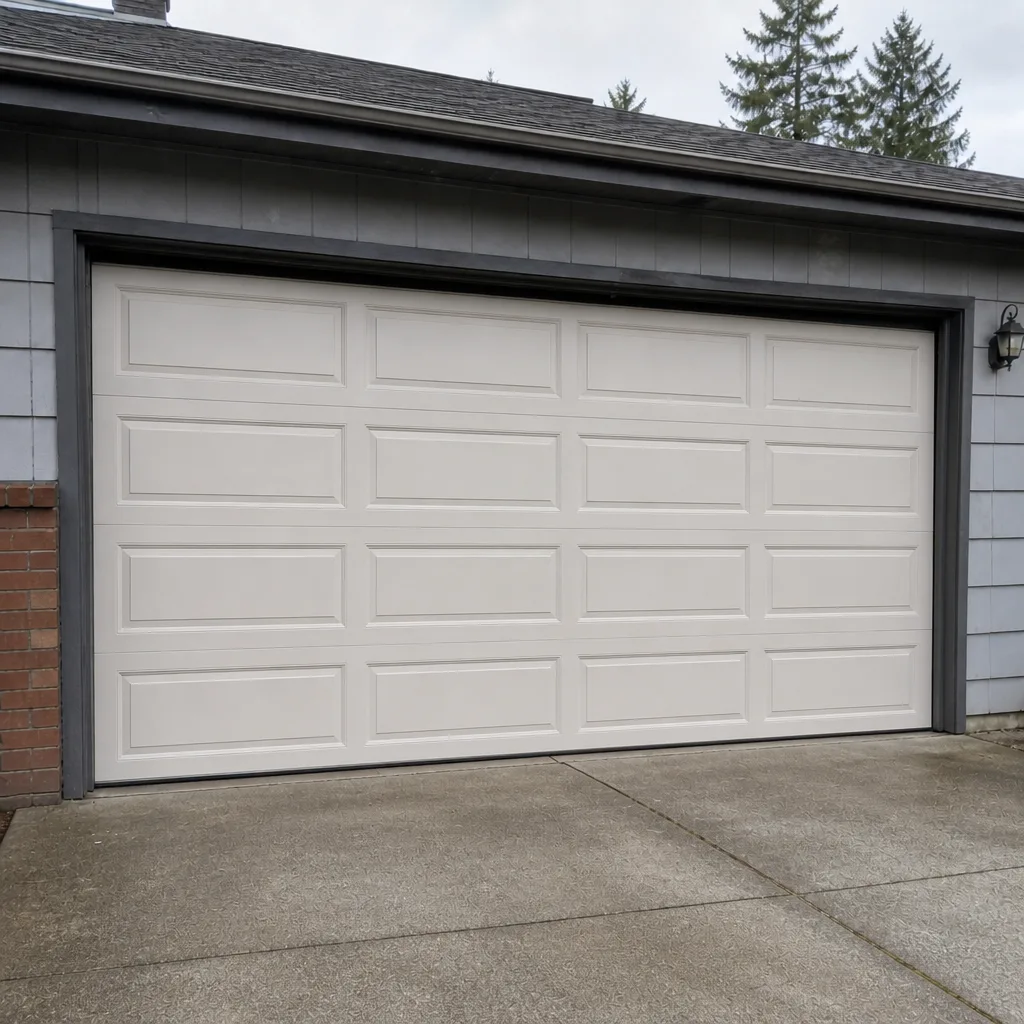 After